

A Paradise Under Pressure
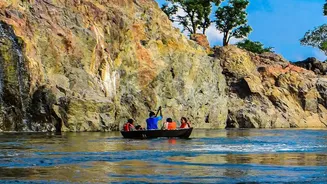
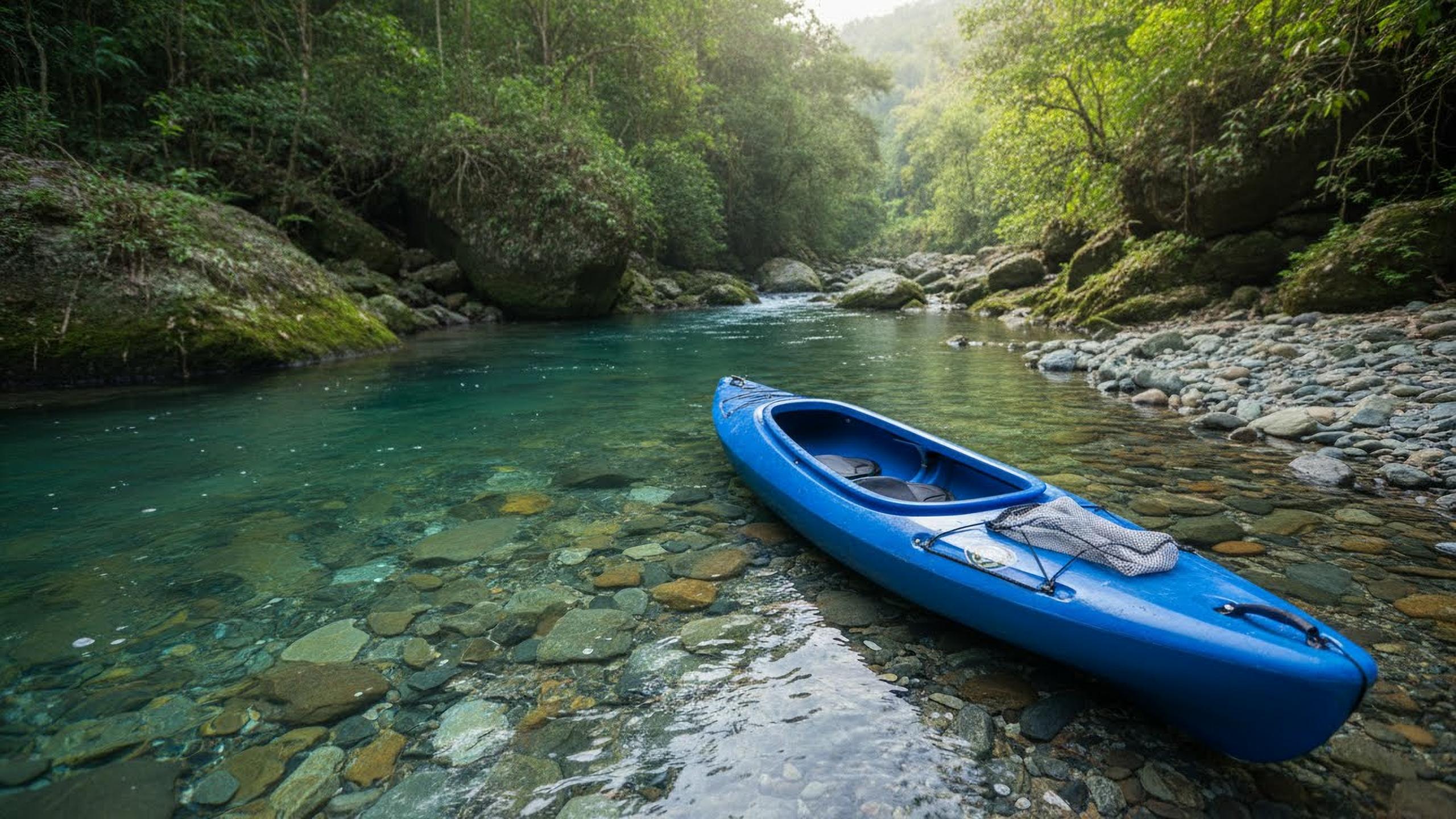
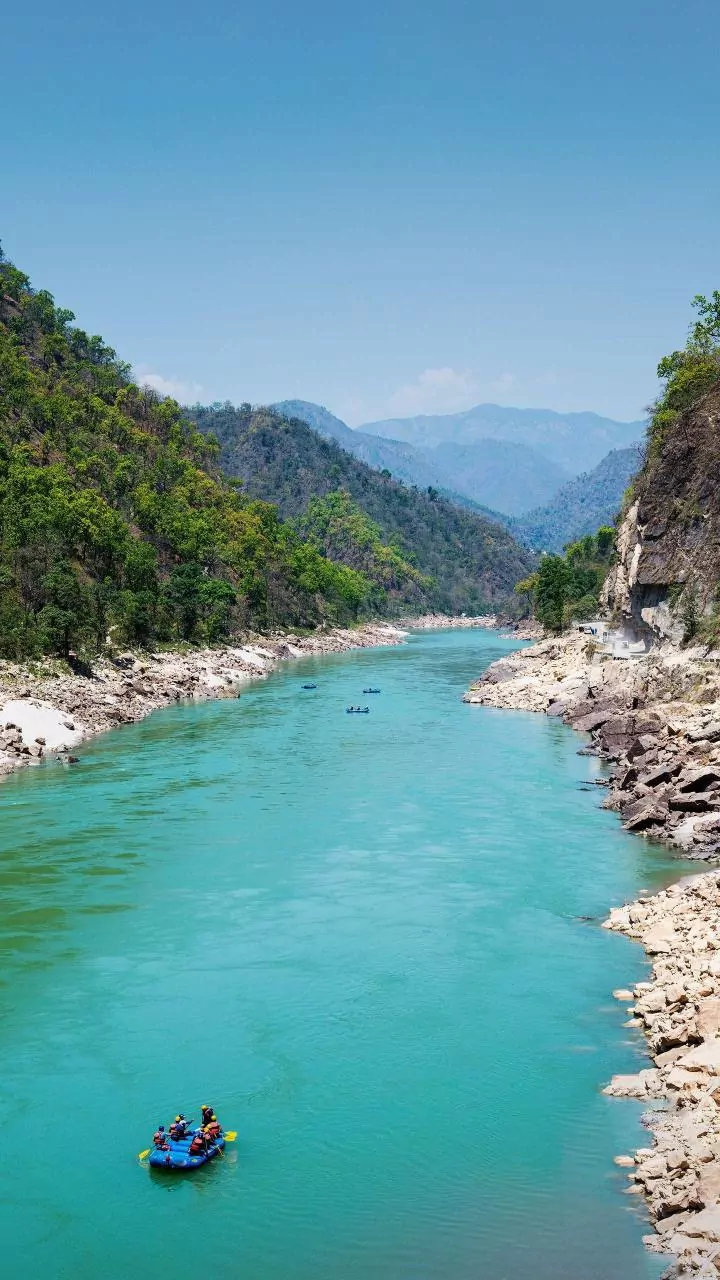
The Umngot River, flowing through the villages of Dawki and Shnongpdeng, is legendary. Its water is so transparent that boats appear to float in mid-air. This surreal beauty has made Meghalaya a top destination for nature lovers. However, the surge in tourism,
coupled with issues like plastic waste and construction runoff, has started to compromise the delicate ecosystem. In late 2025, reports emerged of the Umngot's waters turning murky, causing alarm among local communities who depend on the river for their livelihood. This environmental pressure has highlighted the urgent need for sustainable practices that can protect the very resource that draws visitors to the region.
Paddles with a Purpose
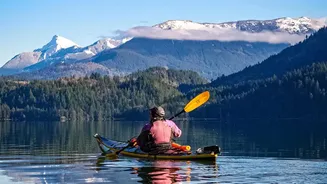
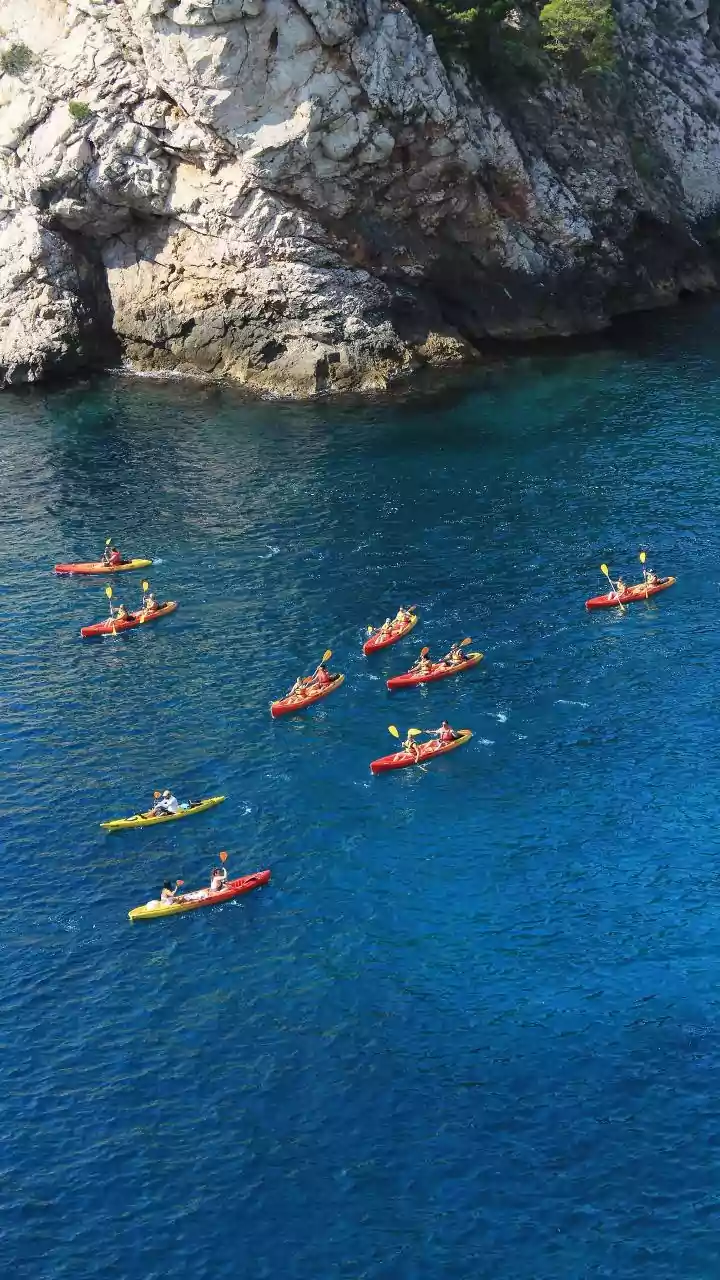
In response to this growing challenge, local tour operators and community-led initiatives are pioneering a new form of tourism: eco-kayaking cleanup tours. These trips merge the thrill of adventure sports with a powerful conservation mission. Companies like Pioneer Adventure Tours and other local groups offer experiences that go beyond simple sightseeing. Travellers are equipped not just with paddles and life jackets, but also with collection bags and a shared goal—to leave the river cleaner than they found it. This approach taps into a growing desire among tourists to travel more responsibly and make a positive impact on the places they visit.
The Eco-Adventurer's Experience
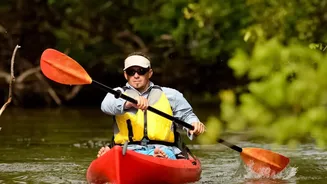
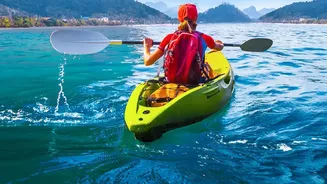
A typical eco-kayaking day involves more than just admiring the scenery. After a safety briefing, participants paddle along designated stretches of the river, navigating its calm, emerald waters while actively scanning for floating debris. They work together to retrieve plastic bottles, bags, and other litter that accumulates along the riverbanks and in quiet coves. The experience is a unique blend of physical activity, teamwork, and environmental stewardship. It's an adventure that offers not only an adrenaline rush from kayaking or cliff jumping but also a deep sense of accomplishment. Travelers become active custodians of the environment, directly contributing to the preservation of the river's famous clarity.
More Than Just a Cleanup
The impact of these tours extends far beyond the trash collected. By participating, travellers gain a firsthand understanding of the pollution problem and the importance of conservation. This direct involvement fosters a powerful connection to the place and a commitment to protecting it. Furthermore, these initiatives provide vital economic support to local communities, creating jobs for guides and promoting homestays. This model demonstrates that tourism can be a force for good, providing livelihoods that are directly linked to the health of the environment. When communities benefit from a clean river, they become its most dedicated guardians.
The Ripple Effect of Conscious Travel
The eco-kayaking movement in Meghalaya is a powerful example of how adventure tourism can evolve to meet the challenges of the 21st century. It proves that travellers can be part of the solution, not just the problem. This model of engaging visitors in conservation efforts is gaining traction globally, from river cleanups in Ohio to community-led eco-tourism across Northeast India. By choosing tours that prioritize sustainability, travellers send a clear message to the industry: they want experiences that are not only exciting but also ethical and restorative. This shift in consumer demand is crucial for encouraging more operators to adopt practices that protect our planet's most beautiful and fragile places for generations to come.