





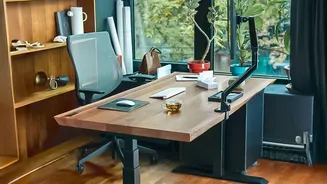

First, Define Your Daily Tasks
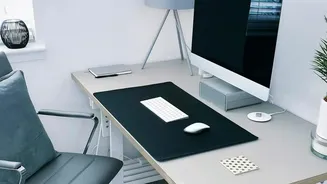
Before you even think about style or material, consider what you will actually do at your desk. The function of the surface dictates its necessary size and durability. A simple writing desk might suffice for someone who primarily uses a laptop and a notebook.
These are often minimalist and fit well in smaller spaces. However, if your work involves multiple monitors, extensive paperwork, or creative projects like crafting or design, you will need a larger and more robust surface, like a computer desk or an L-shaped configuration. Consider if you need space for peripherals like printers, scanners, or speakers. Identifying your primary use case is the most important first step in narrowing down your options.
Measure Your Space and Yourself
Once you know what you need the desk for, measure the area where it will go. Use a tape measure to determine the maximum width and depth the room can accommodate without obstructing doorways or traffic flow. A good tip is to use painter's tape on the floor to outline the desk's potential footprint to get a real-world feel for its size. Don't forget vertical space, especially if considering shelves or a standing desk. Crucially, you need to ensure there is enough clearance behind the desk—at least 91 to 122 cm is recommended for chair movement. For ergonomics, the ideal desk height allows your arms to rest at a 90-degree angle with your wrists straight while typing. While the standard desk height is around 74 to 76 cm, this doesn't fit everyone. If you're particularly tall or short, an adjustable-height desk is an excellent investment for long-term comfort.
Choose a Material That Suits Your Needs
The work surface material affects durability, aesthetics, and price. Laminate is a popular, budget-friendly choice that is easy to clean and resistant to scratches, making it great for high-use areas. However, its edges can be prone to chipping over time. Solid wood offers a classic, warm look and is incredibly durable, but it can be heavier and more susceptible to dents and scratches that may require refinishing. Tempered glass provides a modern, airy feel and is scratch-resistant, but it shows fingerprints easily and can be vulnerable to chipping on the edges. Metal surfaces, usually steel or aluminum, offer unmatched durability and a sleek, industrial look, though they can feel cold to the touch. Your choice should balance your style preference with the practical demands of your daily tasks.
Don't Forget Storage and Features
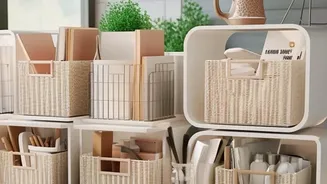
A clean work surface is key to focus and productivity. Think about your storage needs. Do you need deep drawers for files, or are a few shallow drawers for pens and stationery enough? Desks with built-in storage like shelves or hutches can be great space-savers. If you prefer a minimalist look, you might opt for a simple surface and use separate mobile pedestals or wall-mounted shelving. Also, consider modern features that enhance usability. Cable management systems, such as grommets or trays, are invaluable for keeping cords tidy and out of sight. For those with multiple devices, built-in power outlets or USB ports can be a convenient addition. These seemingly small details can make a significant difference in your day-to-day workflow.