



The Science of Survival in Space
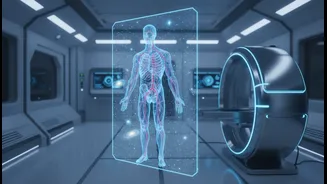
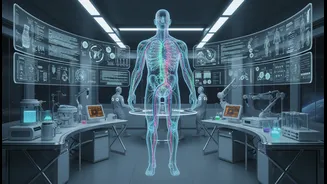
Before astronauts can journey into orbit, a dedicated team of scientists must first solve the complex puzzle of the human body's response to space. This is the world of bioastronautics, a specialised field that blends biology, medicine, and engineering.
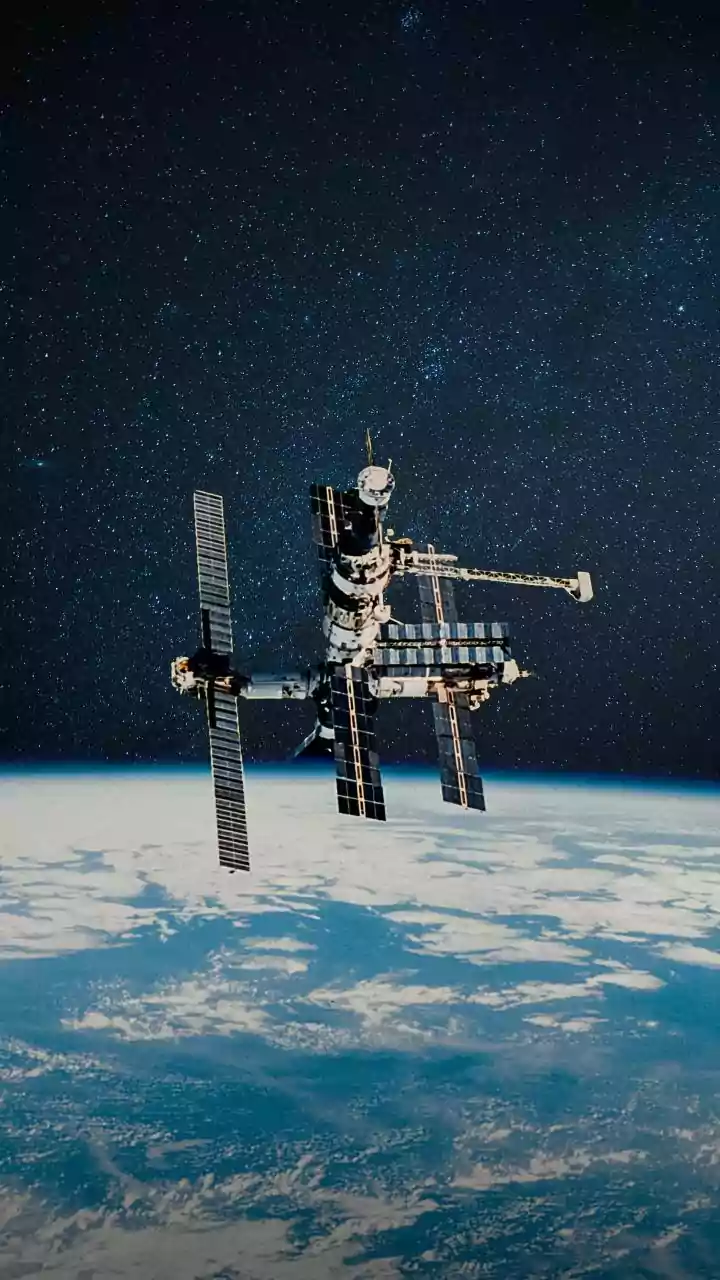
Its primary goal is to study and counteract the physiological challenges of spaceflight, such as the effects of microgravity, cosmic radiation, and psychological isolation. As India gears up for crewed missions, developing expertise in bioastronautics is not just an academic exercise; it is a critical requirement for ensuring mission success and astronaut safety. The field focuses on creating life support systems that provide an Earth-like environment in a spacecraft and developing medical protocols for astronauts during short and long-duration missions. This groundwork is essential for ambitious future projects, including the planned Bharatiya Antariksh Station.
Bengaluru's Human Spaceflight Hub
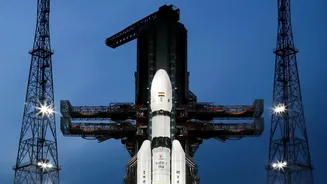
At the heart of India's human spaceflight efforts is the Indian Space Research Organisation's (ISRO) Human Space Flight Centre (HSFC), headquartered in Bengaluru. Established in 2019, this centre is the command hub for the Gaganyaan programme, responsible for everything from mission planning to crew training. A key part of this ecosystem is the state-of-the-art Astronaut Training Facility located near the city's international airport. This is where the chosen astronaut-designates, all experienced Indian Air Force pilots, undergo a rigorous regimen to prepare them for their journey. The facility is equipped with advanced simulators, including virtual reality setups to mimic the spacecraft's interior and systems that replicate the physical stresses of launch and re-entry. This infrastructure makes Bengaluru the undisputed epicentre of India's preparations for sending humans into orbit.
Forging a New Generation of Space Scholars
While training pilots is crucial, India is also investing in creating the scientific backbone needed to support a sustainable space program. A landmark initiative launched in mid-2026 highlights this focus on nurturing specialists. ISRO's HSFC has collaborated with the Sree Chitra Tirunal Institute for Medical Sciences and Technology (SCTIMST) to create India's first-ever Postdoctoral Fellowship Programme in Bioastronautics. This two-year programme is designed to train scholars—candidates with postgraduate medical degrees or PhDs—in the intricate science of space medicine. The fellows will conduct research at both HSFC in Bengaluru and SCTIMST in Thiruvananthapuram, delving into how space travel alters human cellular and organ functions. The goal is to build a pool of experts who can develop innovative biomedical technologies to protect astronaut health, a vital step for the success of Gaganyaan and future long-duration missions.
From Theoretical Research to Practical Application
The training in Bengaluru is intensely practical, bridging the gap between academic knowledge and the realities of spaceflight. Astronauts at the training facility undergo extensive drills covering flight procedures, survival techniques, and microgravity familiarisation through parabolic flights. They are subjected to high G-forces in a human centrifuge to prepare their bodies for the rigours of launch. Simultaneously, the research undertaken by the new bioastronautics fellows will directly inform these training modules and the development of in-flight medical systems. Their work will help answer critical questions about astronaut health, from bone density loss in microgravity to the psychological impact of confinement. This synergy between hands-on astronaut training and deep scientific research ensures that every aspect of the human experience in space is accounted for. The collaboration also involves other key Bengaluru institutions like the Institute of Aerospace Medicine and CSIR–National Aerospace Laboratories, creating a powerful multi-agency effort.