




Preparation: The Foundation of Adventure
Every successful Himalayan trek begins months before setting foot on the trail. The unique challenge of high-altitude trekking, which generally starts above 2,500 metres (8,200 feet), is the reduced oxygen in the air. Physical fitness is non-negotiable.
A regimen focused on cardiovascular endurance—like jogging, cycling, or climbing stairs—for at least 8 to 12 weeks prior is crucial. This builds the stamina needed for long walking days on uneven terrain. However, mental preparedness is just as important. Understanding the risks, including Acute Mountain Sickness (AMS), and respecting the mountain's unpredictability is the first step toward a safe journey. It's also wise to consult a doctor for a pre-trek check-up, especially if you have pre-existing health conditions.
Acclimatisation: The Golden Rule of the Mountains
The single most important safety rule in the high Himalayas is proper acclimatisation. This is the process of letting your body gradually adjust to lower oxygen levels. A key principle followed by experienced mountaineers is "climb high, sleep low," which involves ascending to a higher altitude during the day and descending to a lower elevation to sleep. Reputable trekking itineraries are designed to never ascend more than 300-500 metres in sleeping altitude per day once above 2,500 metres. They also incorporate mandatory rest days every few thousand feet of elevation gain. Symptoms of AMS include headache, nausea, dizziness, and fatigue. Ignoring these signs is dangerous. The only cure for worsening AMS is to descend immediately to a lower altitude. Staying hydrated by drinking 4-5 litres of water daily and avoiding alcohol are also critical for helping your body adapt.
Choosing Your Guides and Operators Wisely
The company you trek with can be the difference between a memorable adventure and a dangerous ordeal. In Uttarakhand, it is vital to choose a registered and reputable trekking operator. These agencies are held to higher safety standards, which are increasingly being formalized by government regulations. A professional company will provide trek leaders certified in mountaineering and first aid from recognized institutes like the Nehru Institute of Mountaineering (NIM). They will also carry essential safety equipment, including emergency oxygen cylinders, pulse oximeters for daily health checks, and reliable communication devices for remote areas. Experienced local guides possess invaluable knowledge of the terrain, weather patterns, and emergency exit routes that no map can provide.
Smart Packing and On-Trail Discipline
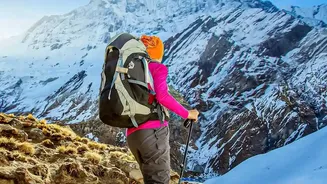
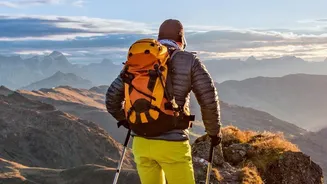
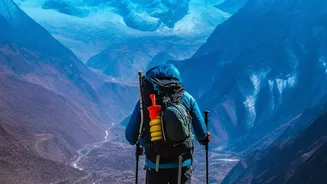
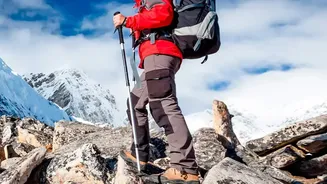
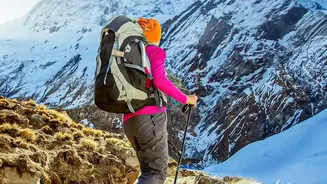
Your backpack is your lifeline in the mountains. Packing in layers is essential to adapt to the weather, which can change in minutes. This includes a base layer, a fleece or insulated jacket, and a waterproof and windproof outer shell. A well-stocked first-aid kit with medications for pain relief, bandages, and any personal prescriptions is a must. Sturdy, broken-in trekking shoes with good ankle support are your most important piece of gear. On the trail, discipline is key. Sticking with your group and guide, walking at a steady pace, and never taking risky shortcuts ensures everyone's safety. Regular hydration and eating light, high-carbohydrate meals maintain your energy levels. Finally, respecting the environment by following "Leave No Trace" principles ensures these pristine valleys remain beautiful for future adventurers.