



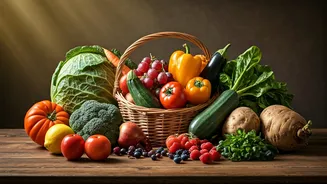



A Return to Flavour and Freshness
Let’s start with the most compelling reason: taste. Food that is grown and harvested in its natural season is simply more delicious. Think of a juicy, sun-ripened lychee in June versus a pale, hard one imported in December. Seasonal produce is picked
at its peak, brimming with flavour and aroma. When fruits and vegetables are forced to grow out of season in artificial conditions or are picked prematurely to survive long-distance shipping, they lose much of their character. The sugars don’t develop fully, the textures are often mealy or watery, and the vibrant taste we crave is noticeably absent. The current trend is, in part, a rebellion against this bland uniformity. Chefs in top Indian restaurants and home cooks alike are championing local farmers' markets, designing menus around what’s fresh *right now*. This isn’t about being a food snob; it’s about rediscovering the simple, profound pleasure of eating food that tastes exactly as it should.
The Nutritional Powerhouse
Beyond taste, there’s a powerful nutritional argument for eating seasonally. When produce is allowed to ripen naturally and is consumed shortly after being harvested, its nutrient profile is at its zenith. Vitamins, minerals, and antioxidants—the compounds that protect our bodies from damage—are most potent in fresh, seasonal food. For instance, studies have shown that spinach harvested in winter has a significantly higher vitamin C content than spinach grown out of season. The logic is simple: produce that travels thousands of kilometres in refrigerated containers for days or weeks loses nutrients along the way. Light, heat, and time all degrade delicate vitamins. By choosing seasonal and local produce, you are essentially getting a more nutrient-dense product, ensuring that every bite contributes more effectively to your well-being. It’s nature’s own supplement plan, perfectly synched with what our bodies need.
Kinder to Your Wallet
One of the biggest myths about healthy eating is that it has to be expensive. Seasonal eating completely debunks this. The basic economic principle of supply and demand works in your favour. When a particular fruit or vegetable is in season, it is abundant. Farmers have a surplus, and this bumper crop drives prices down in local mandis and at your neighbourhood vegetable vendor. Think about how the price of tomatoes or onions plummets when they are in season. Conversely, when you buy strawberries in the middle of a scorching Indian summer, you’re paying a premium for the transportation, cold storage, and complex logistics required to get them to your plate. Sticking to seasonal produce means you’re buying what’s plentiful and affordable, allowing you to eat fresh, healthy food without straining your budget. It’s the most financially sensible way to shop for groceries.
An Eco-Conscious Choice
The growing awareness around climate change has made many of us more conscious consumers, and our food choices have a huge environmental impact. Seasonal eating is a powerful way to reduce your carbon footprint. Out-of-season produce often requires energy-intensive greenhouses, heavy use of pesticides, and artificial ripening agents. More significantly, it relies on a global cold chain—a refrigerated supply line of trucks, ships, and planes that burn enormous amounts of fossil fuels. This concept of 'food miles'—the distance food travels from farm to plate—is a major contributor to greenhouse gas emissions. By choosing food that is grown locally and in its natural season, you are opting out of this damaging system. You are supporting a more sustainable agricultural model that works in harmony with the environment, not against it.
Reconnecting with Our Roots
Perhaps the most profound driver of this trend is a cultural one. For generations, Indian cuisine has been inherently seasonal. Our grandmothers and their mothers before them didn't need a wellness blogger to tell them what to cook; they cooked what the land provided. Winter meant hearty greens like *sarson da saag* and root vegetables. Monsoon brought a bounty of gourds and leafy vegetables. Summer was the season of mangoes, melons, and jackfruit. Traditional systems of medicine like Ayurveda are built on the principle of eating according to the seasons (*Ritucharya*) to maintain balance and health. The modern resurgence of seasonal eating is not a new discovery but a rediscovery of this ancestral wisdom. In a fast-paced, globalised world, it’s a way to feel grounded, to connect with our culinary heritage, and to find a rhythm that feels both ancient and deeply relevant today.