



Pinpricks of Light in the Dark
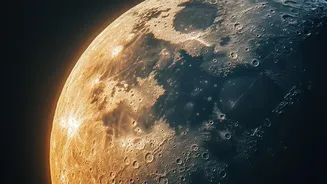
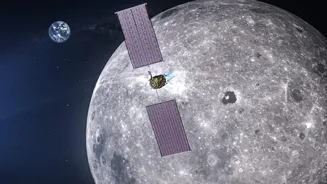
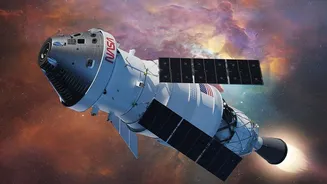
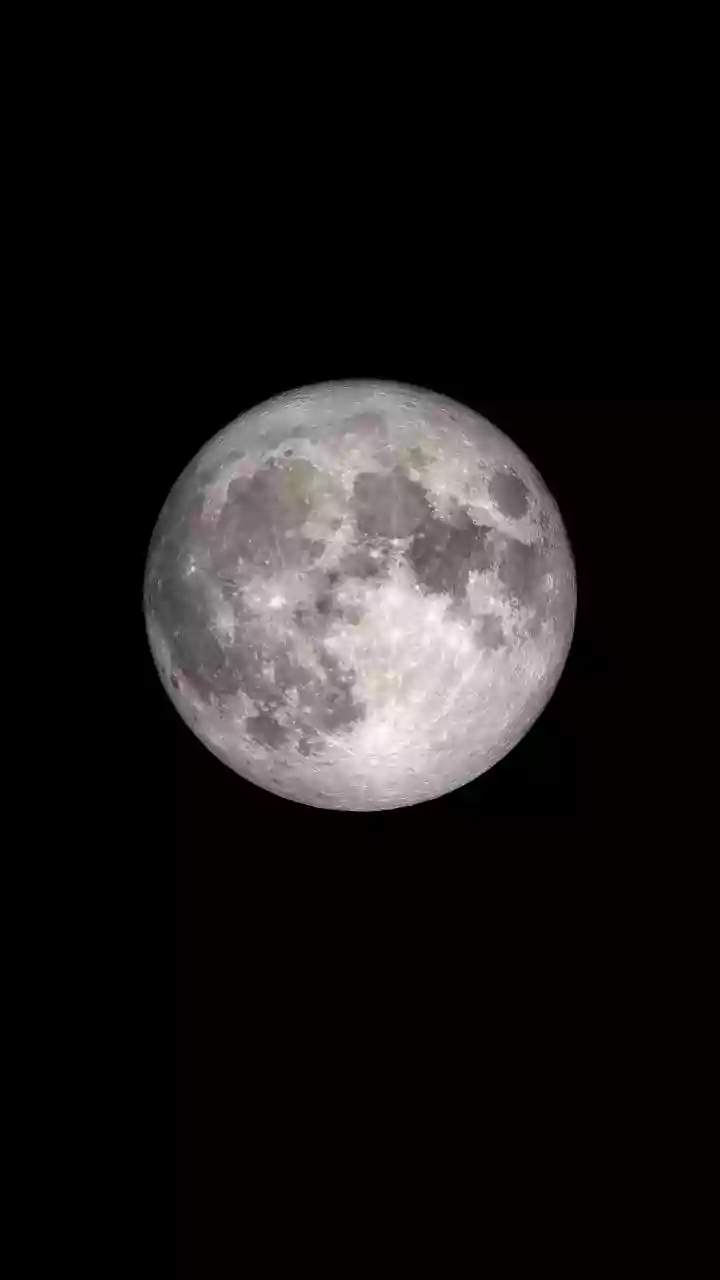
During their flyby of the Moon in April 2026, the four-person crew of Artemis II saw something extraordinary. While passing behind the Moon, a moment that created a total solar eclipse from their unique vantage point, three of the astronauts noticed several
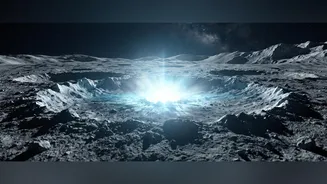
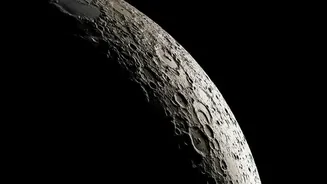
'pinprick' bursts of light on the darkened lunar surface. Commander Reid Wiseman, Pilot Victor Glover, and Canadian Space Agency astronaut Jeremy Hansen reported a total of five separate flashes. The observations happened while the Orion spacecraft was about 46,000 miles from the Moon, during a planned loss of communication with Earth. The ideal dark conditions, with the Sun completely blocked by the Moon, allowed the crew to spot what are likely the faintest impact flashes ever seen by the human eye.
What Are Lunar Impact Flashes?
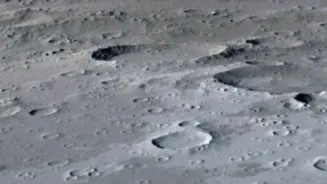
Unlike Earth, the Moon has virtually no atmosphere to protect it from the constant bombardment of space debris. When a meteoroid—a small piece of a comet or asteroid—strikes the lunar surface at immense speed, its kinetic energy is instantly converted into intense heat and light. This creates a brilliant flash as the rock and a small amount of lunar soil are vaporized. These events are incredibly brief, often lasting for just a fraction of a second, which makes them difficult to study. For years, NASA has operated a Lunar Impact Monitoring Program using ground-based telescopes to spot these flashes on the unlit portion of the Moon, but observing them from a nearby spacecraft, with human eyes, provides a completely new kind of data.
The Human Advantage in Space
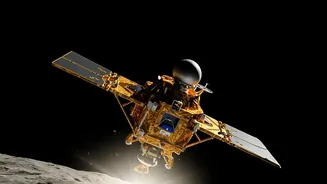
While robotic probes and telescopes are essential, the Artemis II sightings highlight the unique value of human observation. The crew didn't just see the flashes; they documented them in real-time on a tablet, noting their locations and reacting with audible surprise and excitement. Scientists on the ground were ecstatic, with some in the Science Evaluation Room reportedly 'jumping up and down'. This observation was a key science objective for the mission, but many were still astonished it was successful. The ability of the trained astronauts to notice, interpret, and document these unexpected, faint phenomena demonstrates a level of dynamic awareness that automated systems often lack. This human element is a powerful argument for sending crews back to deep space.
Confirming the Science
The initial headline from the crew was exciting, but science requires verification. Back on Earth, NASA's science team worked to rule out other potential causes, such as reflections from the Orion spacecraft or false positives caused by cosmic rays hitting sensors. After careful analysis, detailed in the Artemis II Preliminary Lunar Science Report, the team confirmed the sightings as genuine impact flashes. Based on the faintness of the 'bloop' of light, as astronaut Jeremy Hansen described it, scientists estimate the impacting objects were incredibly small—perhaps only a couple of inches wide. Despite their tiny size, they were traveling at thousands of miles per hour, releasing enough energy to be seen from tens of thousands of miles away.
Why This Matters for Moon Bases
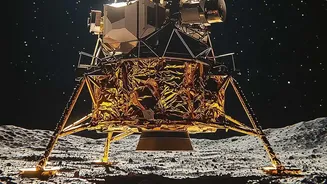
This discovery is more than just a cosmic light show. As NASA plans for long-term human habitation on the Moon with the Artemis program, understanding the lunar environment is critical for safety. The constant rain of micrometeoroids, though individually small, poses a genuine risk to astronauts, habitats, and equipment over time. Each flash provides a data point that helps scientists calculate the frequency and distribution of these impacts. This information is vital for assessing long-term risks and will directly influence the design of future lunar bases and the planning of surface missions, ensuring the safety of the next generation of moonwalkers.