







Why Your Diet Needs a Monsoon Makeover
The shift in weather from scorching summer to humid monsoon affects more than just the temperature; it impacts our bodies. According to health experts, the high humidity during the rainy season slows down our metabolism and digestive system. This makes
us more susceptible to issues like bloating and indigestion. Furthermore, the damp conditions and potential for water contamination create a perfect breeding ground for bacteria, viruses, and fungi. This leads to a spike in foodborne and waterborne illnesses like stomach infections, typhoid, and diarrhoea, making mindful eating more crucial than ever.
Foods to Embrace This Rainy Season
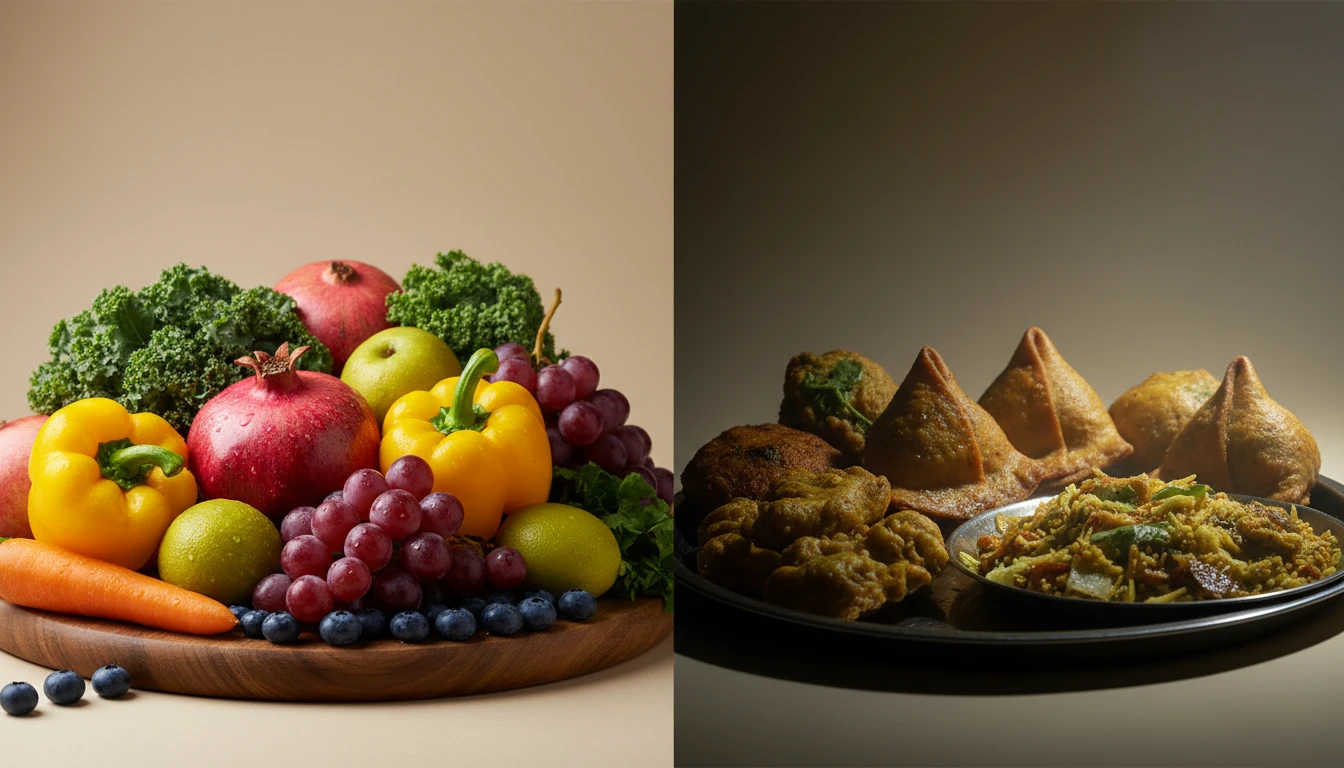
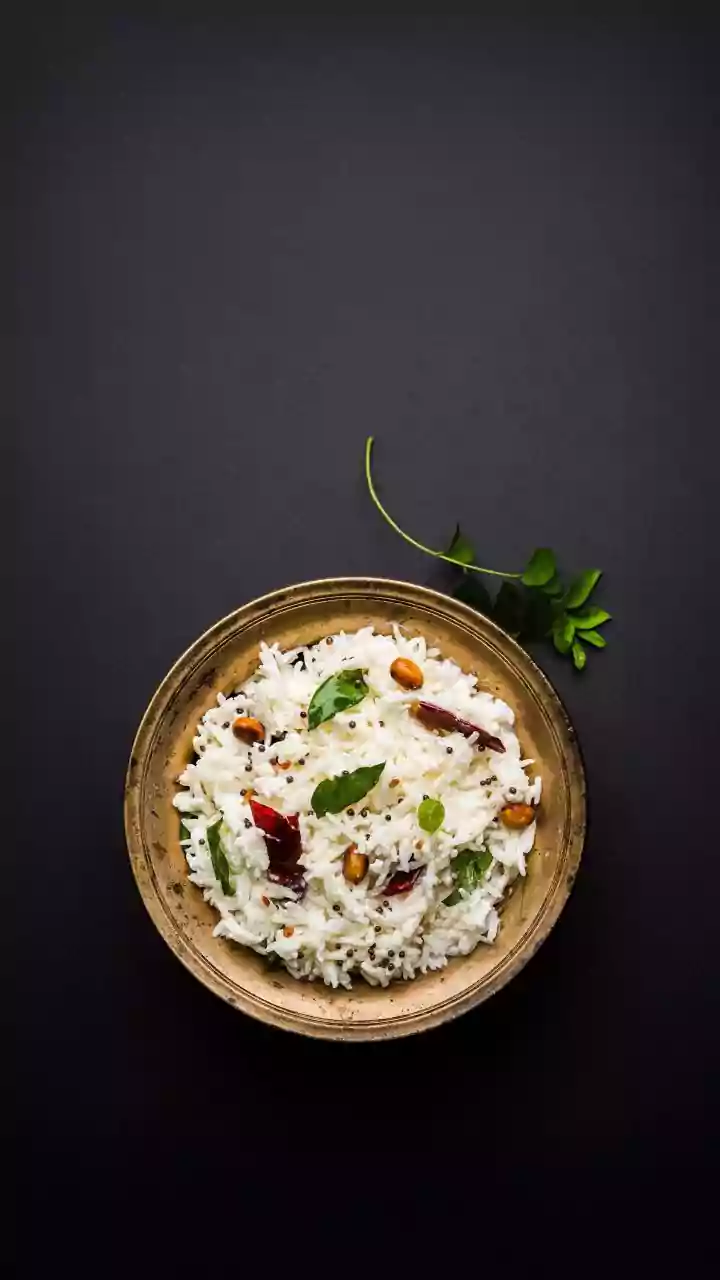
To keep your immunity strong and digestion smooth, focus on light, fresh, and warm meals. Opt for seasonal fruits like pomegranates, apples, pears, and bananas, which are packed with essential vitamins and antioxidants. It's best to buy whole fruits and cut them yourself just before eating to avoid contamination. Warm, cooked foods are your best friend. Think comforting bowls of moong dal khichdi, vegetable soups, and herbal teas. Spices like turmeric, ginger, garlic, and black pepper are not just for flavour; they have immunity-boosting properties that are especially beneficial during this season. Probiotic-rich foods like curd and buttermilk can also support gut health, which is vital for a strong immune system.
What to Avoid: The High-Risk List
Certain foods carry a higher risk of contamination during the monsoon and are best avoided or consumed with extreme caution. At the top of this list is street food. Items like pani puri, chaat, and pre-cut fruit salads are often prepared with water and ingredients of uncertain hygiene, making them a primary source of infections. Heavy, oily, and fried foods like samosas and pakoras, while tempting, are hard to digest and can lead to discomfort. It's also wise to be cautious with raw foods. Raw salads and sprouts can harbour harmful bacteria in the humid weather; it is safer to steam or lightly cook them before consumption.
The Leafy Green Dilemma
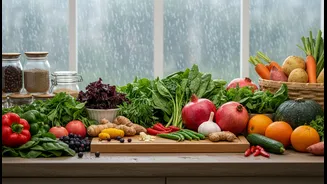
Leafy green vegetables such as spinach, cabbage, and lettuce pose a particular challenge during the monsoon. The damp soil and moisture on the leaves create an ideal environment for germs, mud, and insects to cling to them. This makes them very difficult to clean thoroughly. Health experts often recommend reducing their intake or avoiding them, especially in raw form. If you do choose to eat leafy greens, ensure they are washed meticulously, perhaps with a salt water rinse, and are cooked thoroughly at high temperatures to kill any potential pathogens. Vegetables with peels like gourds, pumpkin, and carrots are generally safer choices during this season.
Hydration and Hygiene: The Golden Rules
Staying hydrated is crucial, but the source of your water matters immensely. Always drink boiled, filtered, or purified water to avoid waterborne diseases. Avoid ice or beverages from outside vendors unless you are certain about the water quality. Warm drinks like herbal teas and soups are excellent choices for hydration and soothing the throat. Finally, good hygiene is non-negotiable. Wash your hands thoroughly with soap before every meal, especially after coming from outside. Ensure all fruits and vegetables are washed properly under running water before consumption. Storing cooked food in the refrigerator and consuming it quickly is also advisable, as high humidity can make food spoil faster.