
A Move Beyond the Mainstream
For decades, Indian tourism revolved around a well-trodden circuit of major cities and landmarks. But a growing fatigue with over-tourism, coupled with a post-pandemic desire for meaningful connection, is driving a significant change. Modern travellers,
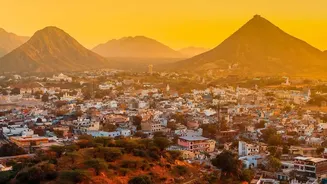
particularly younger generations, are no longer content with passive sightseeing. They are seeking immersive journeys that offer genuine cultural exchanges and a deeper understanding of a place. This has opened the door for countless smaller towns and villages, previously overlooked, to step into the spotlight. Improved infrastructure, including better roads and digital connectivity, has also made these once-remote locations more accessible than ever.
What is an 'Experiential' Holiday?
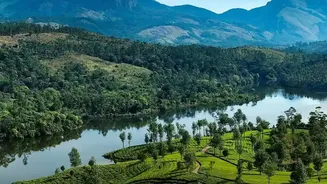
Experiential travel is about participation, not just observation. Instead of simply booking a hotel, travellers are opting for homestays where they can live with a local family, share meals, and understand their way of life. It’s about learning a new skill, like a Kalaripayattu martial arts workshop in Kerala, a silver-making class in Ubud, or trying your hand at rug-weaving with artisans in Rajasthan. It might involve joining a guided nature walk led by former poachers-turned-conservationists in a tiger reserve or helping with the tea harvest on an estate in Palampur. These activities transform a simple vacation into a memorable, hands-on adventure, offering a richer connection to the local culture and environment.
Spotlight on Emerging Destinations
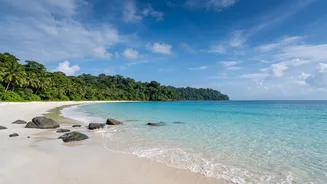
Across the country, communities are harnessing this trend. In Mawlynnong, Meghalaya, famed as 'Asia's Cleanest Village', community-driven ecotourism offers lessons in sustainable living alongside breathtaking natural beauty, including its living root bridges. In the Spiti Valley of Himachal Pradesh, travellers can stay in solar-powered homestays, engage with ancient monastic traditions, and experience life in the high-altitude desert, ensuring tourism benefits the remote communities directly. Villages in the Thachi Valley, also in Himachal, provide a complete escape from commercial tourism, offering pristine nature and serene temple trails. Even coastal towns like Gokarna in Karnataka are attracting those who want a quieter, more spiritual alternative to Goa's bustling beaches.
An Engine for Local Empowerment
This shift is more than just a travel trend; it's a powerful engine for sustainable development. When tourism is community-based, the economic benefits are distributed more evenly. Money flows directly to homestay owners, local guides, artisans, farmers, and small eateries, creating a resilient local economy. This model provides vital income that helps preserve traditional practices and cultural heritage, reducing the need for residents to migrate to cities for work. By turning their cultural assets into their greatest strength, these communities are not just attracting tourists; they are building sustainable futures on their own terms.