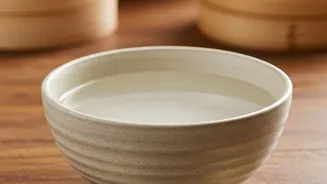







The Simple Soak: Your Starting Point
The most basic way to make rice water involves rinsing rice and then soaking it for about 30 minutes. The resulting cloudy liquid is packed with starch, along with trace amounts of vitamins, minerals, and amino acids. This starchy coating can temporarily
reduce friction between hair strands, making hair easier to detangle and adding a noticeable shine. It’s a gentle, quick introduction to the benefits of rice water. Think of this as the mildest version, great for a first try or for those with sensitive scalps. The primary benefit here is the surface-level conditioning from the starch, which helps to smooth the hair cuticle.
The Fermentation Factor: Unlocking More Power
When you let soaked rice water sit at room temperature for a day or two, something transformative happens: fermentation. Naturally present microbes get to work, breaking down starches and proteins into smaller, more bioavailable molecules. This process increases the concentration of nutrients like antioxidants and amino acids. Crucially, fermentation lowers the pH of the water, making it slightly acidic. This is a major advantage, as a lower pH helps to seal the hair's outer cuticle layer flat, which results in smoother, shinier hair and less frizz. This acidic environment is also closer to the natural pH of your scalp, helping to maintain a healthy balance. Because it is more potent, fermented rice water should often be diluted before use.
The Boiling Method: A Different Kind of Brew
Another common method is to use the starchy water left over after you’ve boiled rice for a meal. This boiled rice water is typically more concentrated in starch than the simple soak version. While it offers similar surface-smoothing benefits, some believe the heating process might diminish some of the heat-sensitive vitamins. However, it's a convenient, no-waste option if you're cooking rice anyway. The high starch content can provide a strong temporary coating on the hair, enhancing its appearance and feel, but it is less nutritionally complex than its fermented counterpart.
The Risk of Protein Overload
Whether soaked, boiled, or fermented, rice water contains proteins. While protein is key for hair strength, there can be too much of a good thing. The protein molecules in homemade rice water are quite large and can't penetrate the hair shaft; instead, they coat its surface. For some hair types, especially low-porosity hair, this coating can build up over time. This is known as 'protein overload,' and it can prevent moisture from getting into the hair, leaving it feeling stiff, dry, and brittle. If your hair starts to feel straw-like after using rice water, it’s a sign to cut back. Moderation is essential, and many find that using a rice water rinse just once or twice a week is the sweet spot.
Which Rice Water is Right for You?
Choosing the best rice water depends on your hair's needs and your patience. If you are new to the practice or have sensitive skin, start with the simple soaking method to see how your hair responds. If your hair feels healthy but you desire more shine and smoothness, graduating to fermented rice water could provide more noticeable, lasting benefits due to its lower pH and enhanced nutrient profile. The boiled method is a practical choice for those looking to minimize waste while still getting a good conditioning rinse. Listen to your hair. If it becomes stiff or brittle, you may be experiencing protein buildup and should reduce the frequency of your treatments. The goal is to find a balance that leaves your hair feeling strong and looking lustrous without overdoing it.