

A Rebellion Against 'Fast Travel'
The very thing that makes the Nilgiri Mountain Railway (NMR) an antique—its speed—is now its biggest draw for a generation weary of rushed itineraries. The train covers a mere 46 kilometres from Mettupalayam to Ooty in about five hours. This unhurried
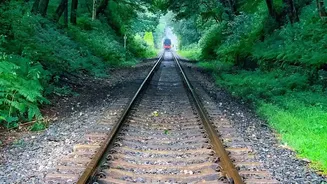
pace is the core of the 'slow travel' movement, a trend gaining massive traction among young Indians who prefer soaking in a destination over just checking it off a list. Instead of a blur outside a window, the journey itself becomes the main event. Passengers have the luxury of time to absorb the changing landscapes, from the plains to dense forests and rolling tea estates, making the trip about the journey, not just the destination.
Unmatched 'Gram-Worthy' Scenery
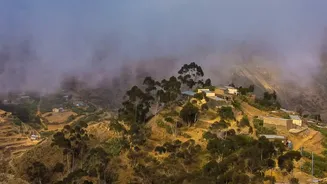
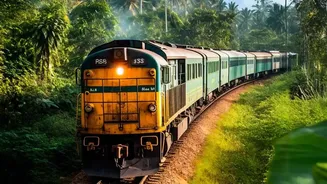
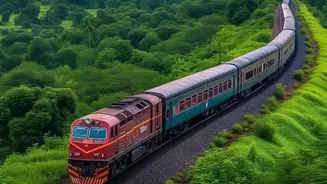
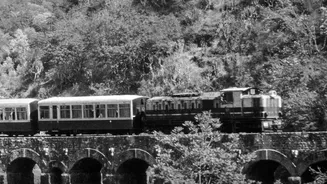
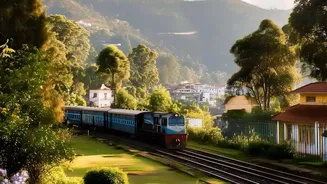
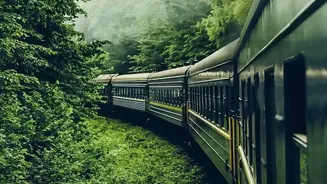
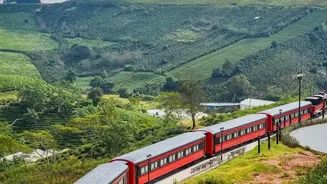
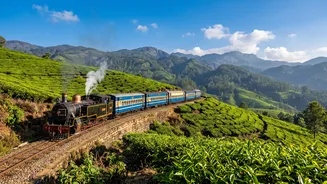
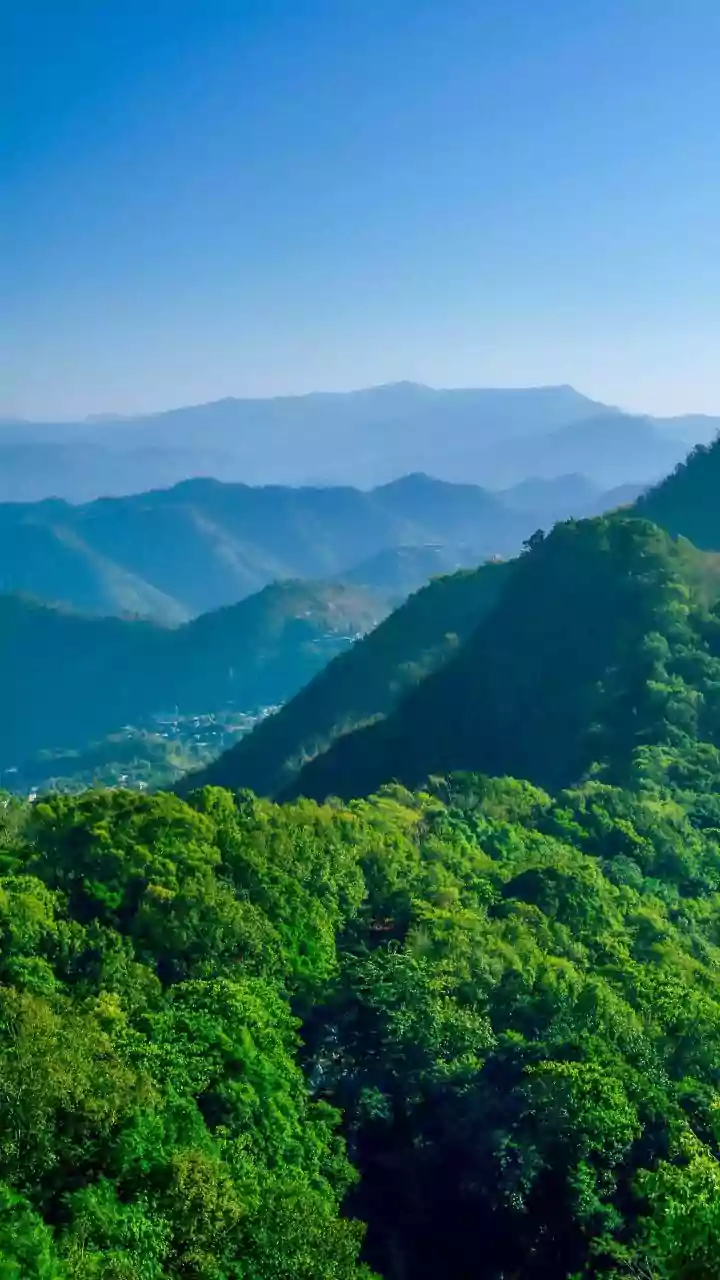
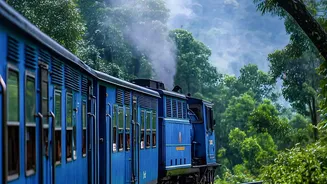
Let's be honest: aesthetics matter. And the NMR delivers a visual feast that feels tailor-made for a curated Instagram feed. As the iconic blue and cream carriages chug along, they pass through 16 tunnels, over 250 bridges, and around 208 sharp curves, each offering a new, breathtaking vista. The route showcases a rich tapestry of the Nilgiris, also known as the Blue Mountains: mist-covered hills, lush tea plantations, rocky ravines, and vibrant birdlife. The vintage wooden coaches with large windows frame these postcard-perfect scenes, turning a simple train ride into an immersive, five-hour-long photo opportunity that young travellers are embracing with enthusiasm.
The Ultimate Pop Culture Cred
For many, the first glimpse of the NMR wasn't in a travel guide but on the silver screen. The train is famously the setting for the iconic song 'Chaiyya Chaiyya' from the 1998 film 'Dil Se,' where Shah Rukh Khan and Malaika Arora danced on its roof. This single sequence immortalised the train in Indian pop culture, and riding it feels like stepping into a piece of Bollywood history. The connection isn't lost on today's youth, who are drawn to experiences that resonate with cultural nostalgia. The train has also featured in other films, including the Hollywood classic 'A Passage to India,' cementing its status as a location with serious cinematic legacy.
The Appeal of Authentic Heritage
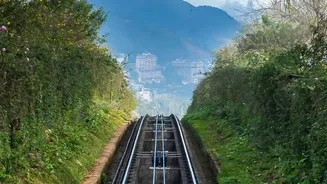
The NMR is not a modern replica; it's a living, breathing piece of history. Built by the British and operational since 1908, it's a marvel of colonial-era engineering. In 2005, it was declared a UNESCO World Heritage Site, a distinction that adds a layer of prestige and significance to the journey. It's the only rack railway in India, using a unique rack-and-pinion system to navigate the steep gradients between Mettupalayam and Coonoor, making it the steepest rail line in Asia. For young Indians increasingly interested in authentic and meaningful experiences, travelling on a functional heritage icon that represents such ingenuity is a powerful draw.
An Adventure in Analogue
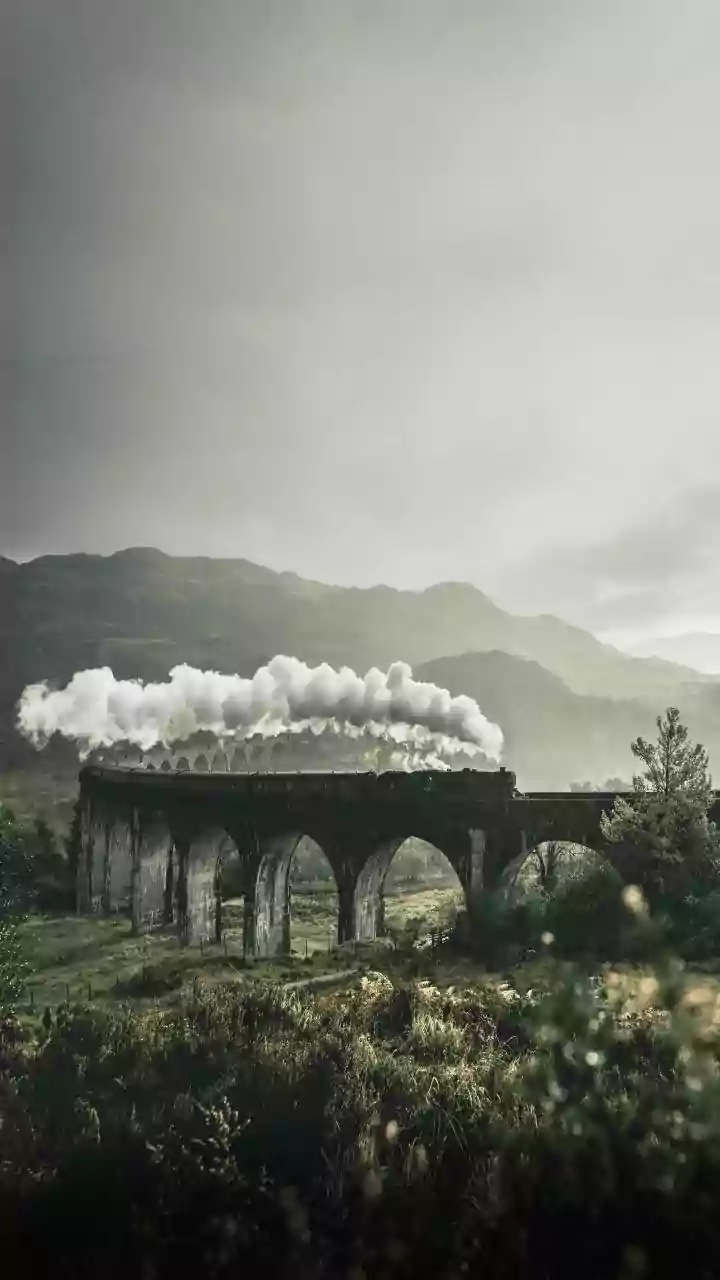
In a digital world, the NMR offers a refreshingly analogue experience. The journey is defined by the rhythmic chug of the engine, the blast of the steam whistle, and the feel of cool mountain air through an open window. On the lower, steeper sections of the route, traditional X-class steam locomotives are still used, pushing the train up the hill and sending plumes of white steam into the forest canopy. This sensory experience provides a tangible connection to a bygone era, offering a chance to disconnect from screens and reconnect with the physical world. It’s this combination of historical charm and natural beauty that transforms a simple train ride into a memorable adventure.