






More Than Just a Pretty View
In cities like Mumbai, Bengaluru, and Delhi, where green space is a premium, urban residents are embracing balcony gardening as a powerful lifestyle choice. This isn't just about adding a decorative touch to a high-rise apartment; it's a movement driven
by a desire for a deeper connection with nature, healthier living, and a tangible way to contribute to sustainability. The trend, which gained significant momentum as people spent more time at home, has blossomed from a niche hobby into a mainstream pursuit. It offers a practical solution to the challenges of urban life, providing not only fresh, pesticide-free food but also a much-needed escape from the stresses of a fast-paced environment.
A Sustainable Oasis at Home
One of the most compelling reasons for the rise of balcony gardens is their positive environmental impact. Growing your own food, even on a small scale, significantly reduces your carbon footprint. It cuts down on 'food miles'—the distance produce travels from farm to plate—and minimizes reliance on an industrial food system that consumes vast amounts of water and energy. Furthermore, balcony gardening encourages sustainable practices like composting. Kitchen scraps can be turned into nutrient-rich fertilizer, reducing household waste and eliminating the need for chemical alternatives. These small green pockets also contribute to local biodiversity and can help improve air quality in their immediate vicinity.
Food for the Body and Soul
The benefits of nurturing plants extend far beyond the harvest. Numerous studies have shown that gardening has a profound positive effect on mental health. The simple act of tending to plants can lower stress levels, reduce anxiety, and improve mood. Researchers link this to spending time in nature, which helps restore focus and reduce mental fatigue. There is also a deep sense of accomplishment that comes from watching a seed sprout and grow into something you can eat. This connection to the food cycle promotes healthier eating habits and provides access to fresh, nutrient-dense herbs and vegetables right at your doorstep.
How to Start Your Balcony Garden
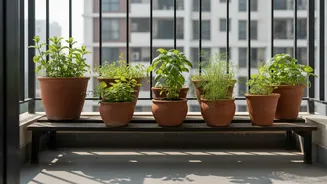
Getting started is simpler than you might think. The first step is to observe your balcony: take note of how many hours of direct sunlight it receives, as this will determine what you can grow. Most vegetable plants need at least four to six hours of sun. You don't need fancy equipment; start with basic containers like clay pots, grow bags, or even recycled buckets, ensuring they have drainage holes to prevent waterlogging. A good quality, lightweight potting mix is essential, as garden soil is often too heavy for containers.
Beginner-Friendly Plants for Indian Balconies
For your first foray into balcony gardening, choose plants that are low-maintenance and well-suited to Indian climates. Herbs are a fantastic starting point. Mint (pudina), coriander (dhania), and holy basil (tulsi) are easy to grow and incredibly rewarding. When it comes to vegetables, cherry tomatoes, green chillies, spinach (palak), and fenugreek (methi) are excellent choices for beginners. These plants are relatively compact and produce a satisfying yield even in small containers. Many grow quickly, allowing you to enjoy your first harvest within weeks.
Embracing the Learning Curve
Like any new skill, gardening has a learning curve. You might face challenges with pests, watering schedules, or limited sunlight. Don't be discouraged. Start small, perhaps with just two or three types of plants, and expand as your confidence grows. The key is observation and patience. Check your plants regularly for signs of distress, and don't be afraid to experiment. Joining online gardening communities can also be a great source of support and advice from fellow urban gardeners. The journey of creating your own green space is just as rewarding as the harvest itself.