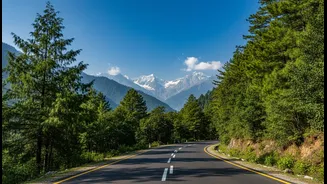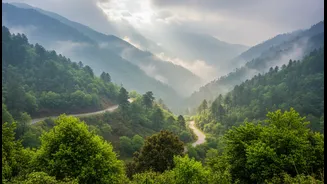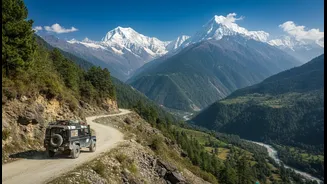





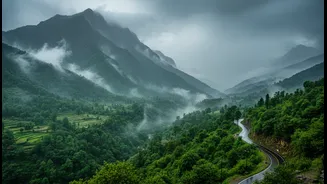


Embrace the 'Hub and Spoke' Model
Instead of planning a linear trip where you move to a new town every night, choose a few strategic 'hub' locations for longer stays. For instance, base yourself in the Tirthan Valley area (like Jibhi or Gushaini) for 3-4 days instead of just one. From
there, you can take day trips to explore nearby villages, waterfalls, or trails without the pressure of packing and checking out daily. This approach works well for areas like Barot Valley, the Kangra region around Dharamshala, or even quieter parts of the Kullu Valley. It reduces travel fatigue and gives you the freedom to decide each morning whether to explore or simply relax and soak in the local atmosphere. It's a more sustainable way to travel, both for you and the local communities.
Prioritise Buffer Days, Especially in Monsoon
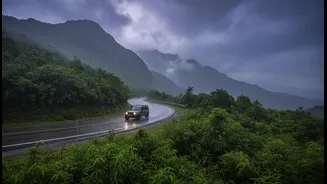
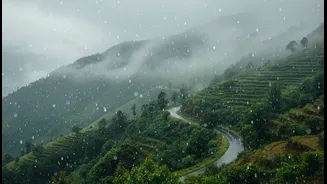
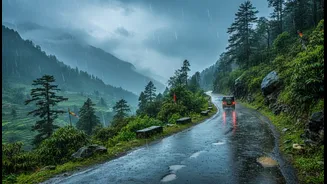
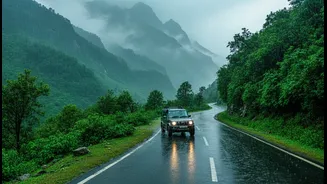
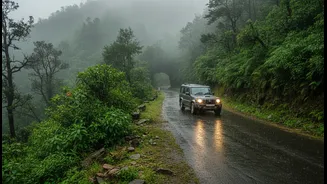
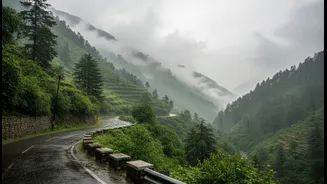
The mountains operate on their own schedule. This is especially true during the monsoon season (July to September), when landslides and heavy rain are common. As of early July 2026, the monsoon is active across the state, with authorities issuing alerts for heavy rain and potential disruptions on major highways. Building 'buffer days' into your itinerary is not a luxury; it's a necessity. A buffer day is a day with no fixed plans. If a road is blocked or the weather is poor, you have a built-in delay without derailing your entire trip. If the weather is clear, you can use the extra day to explore a local recommendation or revisit a favourite spot. This approach turns potential travel stress into an opportunity for spontaneous adventure.
Swap Pre-Booked Hotels for Homestays
While luxury hotels offer predictable comfort, homestays provide unparalleled flexibility and local insight. Staying with a host family often means access to real-time information about road conditions, hidden gems, and local culture—details you won't find online. Homestays in areas like Spiti, Old Manali, or Dharamshala are often more budget-friendly and offer a more authentic experience. They are generally more lenient with check-in/out times and can offer home-cooked meals, which is a blessing when you arrive late due to a travel delay. By choosing homestays, you not only gain flexibility but also contribute directly to the local economy and build connections that make your trip more memorable.
Master Local Transport and Last-Mile Travel
Relying solely on a pre-booked cab for your entire trip can be restrictive. Himachal has a robust network of HRTC (Himachal Road Transport Corporation) buses that connect even remote valleys. For shorter distances, shared taxis and local cabs are readily available in most towns. Using local transport for day trips allows you to be more spontaneous. You can decide on a whim to visit a nearby monastery or hike to a viewpoint without needing to coordinate with a driver who is on a fixed schedule. This is particularly useful in areas like the Parvati Valley, where local buses frequently ply the route between Bhuntar, Kasol, and Manikaran.
Choose Lesser-Known Alternatives to Popular Hotspots
Popular destinations like Shimla and Manali are often crowded, and itineraries centered on them can feel rigid. A flexible trip is easier to achieve in less-congested areas. Instead of mainstream Manali, consider the serene vibes of Jibhi or Tirthan Valley. Instead of the usual Shimla circuit, explore the apple country around Kotkhai or the quiet meadows of Chindi and Karsog. These offbeat destinations, such as Barot Valley, Pabbar Valley, or Sainj Valley, see fewer tourists, which means more availability in accommodations and a slower, more relaxed pace of life, making it easier to adjust your plans on the fly.
Plan for the Weather, Not Just the Calendar
In the Himalayas, the weather forecast is more important than your pre-planned schedule. As of July 2026, the IMD has issued multiple weather warnings and advised tourists to be cautious. Always check the daily forecast from reliable sources like the IMD's Shimla centre before heading out. Avoid driving at night or during heavy rain, especially on vulnerable stretches like the Mandi-Manali highway or high passes. A flexible mindset means being willing to spend a day indoors reading a book at a cafe if a red alert is issued. Prioritising safety over a checklist of places will lead to a much more enjoyable and stress-free journey through Himachal's magnificent landscapes.