


1. Gaganyaan: India's Crewed Leap into Orbit
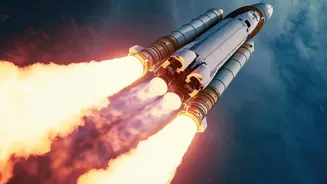
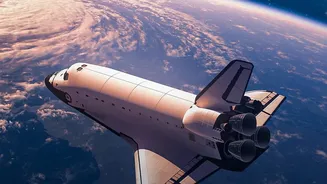
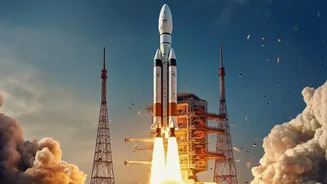
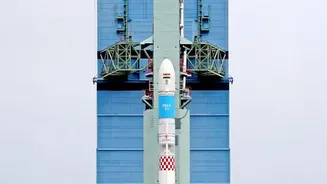
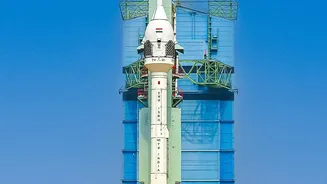
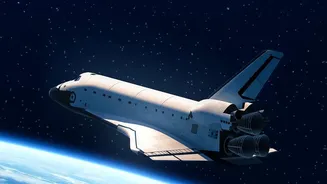
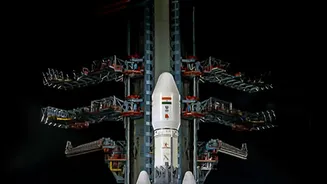
The jewel in ISRO's crown of upcoming missions is undoubtedly Gaganyaan. This monumental undertaking will mark India's first foray into human spaceflight, placing it in the elite club of nations that have sent their own citizens into orbit. The mission plan
involves launching a crew of two to three Indian astronauts into a Low-Earth Orbit of 400 kilometres for a mission lasting several days. Following a series of uncrewed test flights, the first crewed launch, targeted for 2027, will be a moment of immense national pride. Gaganyaan is not just about sending humans to space; it is about developing the complex technologies for life support, crew escape systems, and re-entry, paving the way for a sustained Indian human presence in space.
2. Shukrayaan-1: Exploring the Veiled Planet
After conquering Mars, ISRO has set its sights on Earth's other neighbour, Venus. Known as Shukrayaan-1, this orbiter mission aims to unlock the secrets of one of the solar system's most mysterious and hostile environments. With its thick, toxic atmosphere and crushing pressure, Venus presents a formidable challenge. Scheduled for launch around 2028, Shukrayaan-1 will carry a suite of instruments to study the planet's surface, sub-surface, atmospheric chemistry, and interaction with the solar wind. By successfully placing a craft in orbit around Venus, India will join a very small group of space agencies that have explored the 'Evening Star' up close, providing valuable data on runaway greenhouse effects that could even offer insights into our own planet's climate.
3. Mangalyaan-2: A Bold Return to the Red Planet
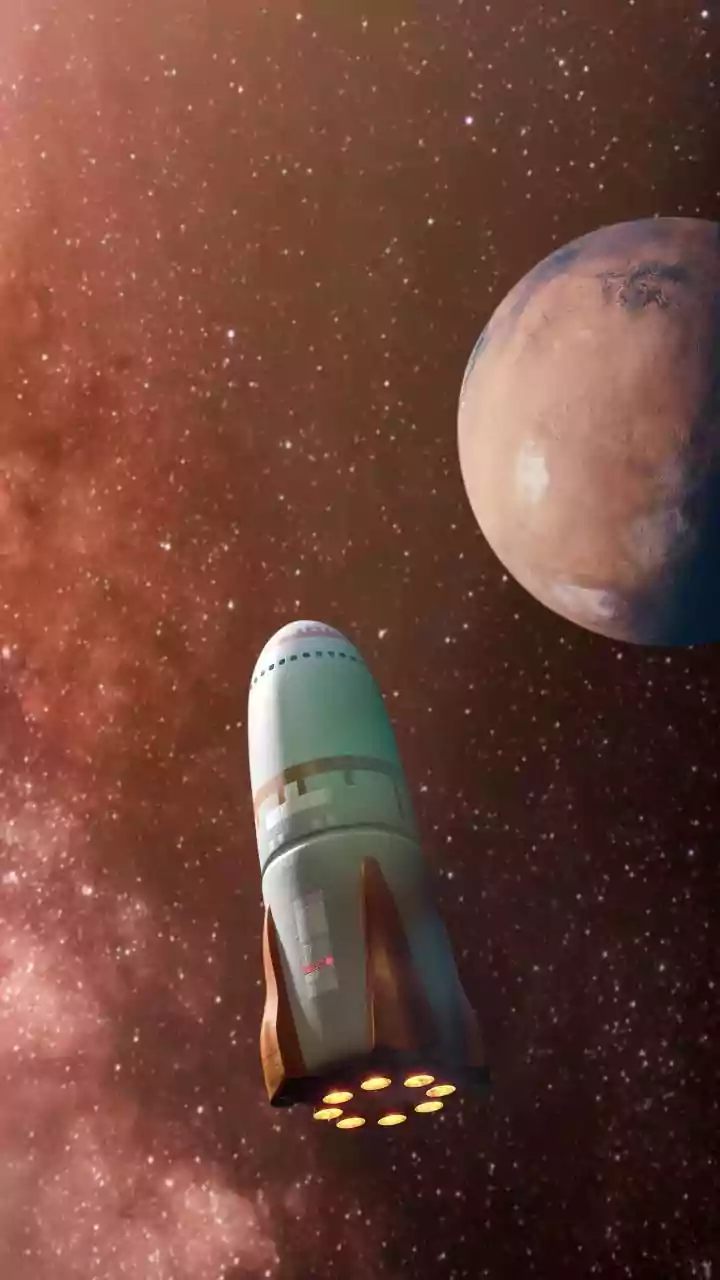
Building on the spectacular success of the Mars Orbiter Mission (MOM), also known as Mangalyaan, ISRO is planning a more ambitious follow-up. Mangalyaan-2, or MOM-2, will represent a significant leap in India's interplanetary capabilities. While the first mission was a technology demonstrator that far exceeded its objectives, the sequel is expected to carry a more powerful suite of scientific instruments. Plans have been discussed for an orbiter with advanced cameras and sensors to study the Martian surface, atmosphere, and the dust that permeates its environment. There have also been proposals for a lander and rover, which would mark India's first attempt to operate on the surface of another planet and further cement its status as a major player in Martian exploration.
4. LUPEX: Partnering for Lunar Resources
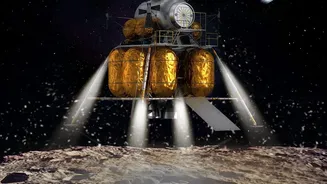
The quest for lunar resources is a global endeavour, and India is at its forefront through the Lunar Polar Exploration Mission (LUPEX). This is a collaborative mission with the Japan Aerospace Exploration Agency (JAXA). In this partnership, ISRO will be responsible for developing the lander, while JAXA will provide the rover. Scheduled for no earlier than 2028, LUPEX aims to land near the Moon's south pole to investigate the presence, quantity, and quality of water ice in a permanently shadowed region. This mission is crucial, as lunar water is seen as a key resource for future long-term human presence on the Moon, providing drinking water, breathable air, and rocket propellant.
5. NISAR: A Watchful Eye on Planet Earth
In one of the most significant collaborations in space science, ISRO has partnered with NASA for the NISAR mission. The NASA-ISRO Synthetic Aperture Radar satellite is the world's most expensive Earth-imaging satellite, designed to monitor our planet in unprecedented detail. Using two different radar frequencies, NISAR can 'see' through clouds and vegetation day and night, measuring changes in Earth's land, ice sheets, and ecosystems with remarkable precision. It will provide a wealth of data for monitoring natural disasters like earthquakes and volcanoes, tracking climate change impacts like melting glaciers, and managing resources like groundwater and crops. NISAR showcases India’s role as a critical partner in addressing global challenges.
6. SPADEX: Mastering the In-Orbit Rendezvous
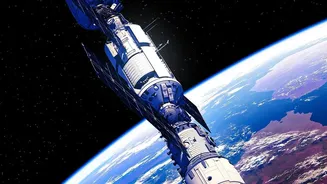
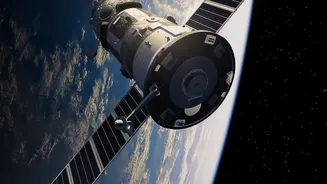
While not as glamorous as a mission to another planet, the Space Docking Experiment (SPADEX) is one of ISRO's most strategically important projects. This mission is designed to develop and demonstrate the critical technologies for rendezvous and docking, where two separate spacecraft can meet and connect in orbit. The experiment involves two small satellites, a 'chaser' and a 'target', which will perform these complex manoeuvres autonomously. Mastering this capability is a fundamental prerequisite for building future Indian space stations, conducting satellite servicing and refuelling missions, and enabling more complex human spaceflight and interplanetary journeys.
7. Chandrayaan-4: Bringing a Piece of the Moon Home
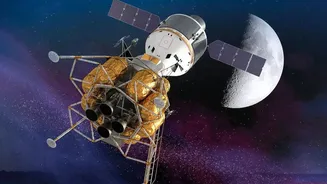
Following the triumphant landing of Chandrayaan-3, ISRO is already planning the next logical step in its lunar exploration program: a sample-return mission. Chandrayaan-4 is being designed to land on the Moon, collect samples of lunar soil and rock, and then launch them back to Earth for detailed analysis. This is an incredibly complex undertaking that requires mastering not only a soft landing but also a launch from the lunar surface and a high-speed re-entry to Earth. A successful sample-return mission, building on the LUPEX collaboration, would elevate India's space program to a new level, providing its scientists with pristine lunar material to study in terrestrial labs and unlocking new secrets about the Moon's history and composition.