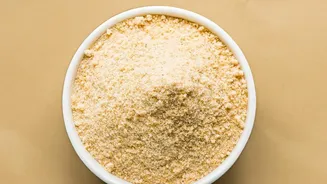








Myth: You Need Protein Powder to Build Muscle
This is the most common and persistent myth. The truth is you do not need protein powder to build muscle; what you need is sufficient total protein. Protein provides the essential amino acids that act as building blocks to repair and grow muscle tissue
after exercise. These amino acids can come from whole foods just as effectively as from a supplement. Lean meats, eggs, fish, dairy products like paneer and Greek yogurt, and plant-based sources like lentils, beans, and tofu are all excellent protein sources. People have been building impressive physiques long before protein tubs became a gym staple. The primary advantage of protein powder is convenience. A shake is a quick and easy way to get a concentrated dose of protein, especially when you're short on time or don't have the appetite for a full meal post-workout. Think of it as a tool, not a requirement.
Myth: You Must Drink a Shake Within 30 Minutes of a Workout
The legend of the 'anabolic window' claims there's a 30 to 60-minute window after exercise where you must consume protein or your workout is wasted. While your muscles are more sensitive to protein after training, this window is much wider than we've been led to believe, lasting several hours, not minutes. What truly drives muscle growth is your total daily protein intake, not a frantic rush to drink a shake. If you had a protein-rich meal a couple of hours before your workout, your body still has amino acids circulating to begin the repair process. The most important factor is consistency—spreading your protein intake across multiple meals throughout the day. So, relax. Your gains aren't on a 30-minute countdown timer.
Myth: More Protein Powder Equals More Muscle
If some protein is good, more must be better, right? Not exactly. Your body has a limit to how much protein it can effectively use for muscle synthesis at any given time. Consuming excessive amounts in one go doesn't necessarily lead to more muscle growth. For active individuals looking to build muscle, research suggests a target of around 1.4 to 2.0 grams of protein per kilogram of body weight per day. Exceeding this amount significantly won't magically accelerate gains. The excess protein is simply used for energy or, in a calorie surplus, can be stored as fat. A more effective strategy is to distribute your protein intake throughout the day, aiming for 20 to 40 grams per meal, to keep muscle protein synthesis stimulated.
Myth: Protein Powder Will Make You 'Bulky'
This is a common fear, particularly among women. The reality is that protein powder itself does not make you 'bulky'. Gaining significant muscle mass (or 'bulk') is a result of a combination of factors: intense, progressive resistance training and a consistent calorie surplus—meaning you eat more calories than your body burns. A protein shake is simply a source of protein and calories. If it fits within your daily calorie needs, it will not cause unwanted weight gain. In fact, protein can help you feel fuller for longer, which can support weight management goals. The 'bulk' comes from the total diet and training style, not from a single supplement.
Myth: All Protein Powders Are the Same
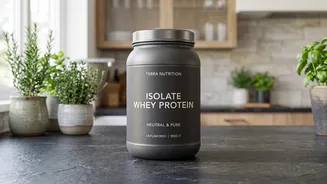
The supplement aisle can be confusing, but not all powders are created equal. The most common type is whey, a dairy-based protein that is digested quickly and is rich in all essential amino acids, making it popular post-workout. Casein, another dairy protein, digests slowly and is often used before bed. For those who are vegan or have dairy sensitivities, plant-based options like soy, pea, and rice protein are effective alternatives. While some individual plant proteins might not have a complete amino acid profile, many brands now offer blends that are just as effective for muscle building as whey when protein content is matched. Reading the label is key, as some powders contain added sugars, fillers, or sweeteners that you may wish to avoid.