


Why July Is the Sweet Spot
July is widely considered one of the best months to experience Ladakh, and for good reason. It's the sweet spot when the weather is at its most welcoming and the entire region is accessible. Daytime temperatures in Leh are comfortable, often hovering
around 20-25°C, perfect for sightseeing. Crucially, Ladakh lies in a rain shadow, meaning it escapes the heavy monsoon showers that lash other parts of India, offering clear skies and brilliant sunshine. This is the peak season, so while you'll share the beauty with other travellers, you'll also find all hotels, guesthouses, and cafes fully operational.
The Legendary Roads Are Open
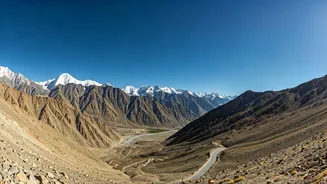
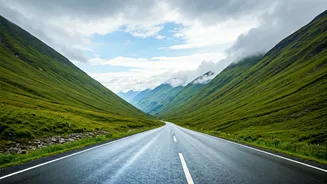
For many, the journey to Ladakh is as epic as the destination itself. In July, both legendary overland routes—the Srinagar-Leh and Manali-Leh highways—are fully open and in their best condition of the year. The snow from the high passes like Zoji La (on the Srinagar route) and Baralacha La (on the Manali route) has been cleared, making for a spectacular drive. The Manali-Leh highway, known for its rugged adventure and dramatic, ever-changing landscapes, offers a thrilling experience. The Srinagar-Leh road provides a gentler ascent and a glimpse into the lush beauty of Kashmir before it gives way to the moonscapes of Lamayuru.
Chasing the Big Views
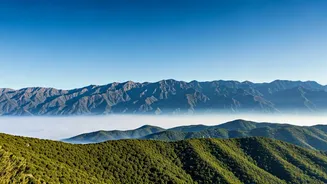
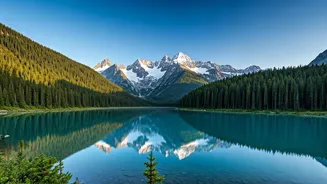
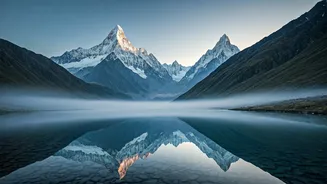
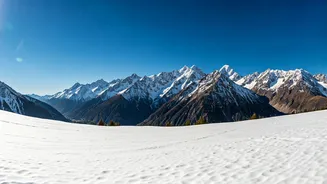
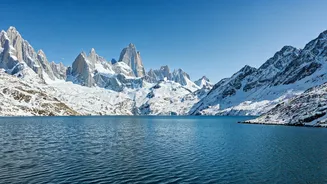
The headline's promise of 'Big Views' is delivered in spades across Ladakh. July's clear weather ensures that the vistas are unobscured and breathtaking. The most iconic of these is Pangong Tso, the high-altitude lake whose waters shift from turquoise to deep blue. Another essential stop is the Nubra Valley, reached via the famous Khardung La pass. Here, you can witness the surreal sight of sand dunes nestled between snow-capped mountains and even ride a double-humped Bactrian camel. For those seeking even more remote beauty, the pristine Tso Moriri lake offers serene landscapes and fantastic birdwatching opportunities.
A Vibrant Cultural Tapestry
Ladakh's beauty isn't just in its landscapes; it's also in its living culture. The region is dotted with ancient monasteries, or 'gompas', perched dramatically on hilltops. In July, you can easily visit major monasteries like Thiksey, Hemis, and Diskit. This month also often coincides with vibrant monastic festivals. Keep an eye out for events like the Phyang Tsedup at Phyang Monastery or the Korzok Gustor at Tso Moriri, which feature colourful masked dances (Chams), traditional music, and local fanfare. These festivals provide a fascinating glimpse into the deep-rooted Buddhist traditions of the land.
Pro Tips for Your July Adventure
A trip to Ladakh requires some planning, especially given the altitude. The most critical rule is to acclimatise properly. If you fly into Leh (at 3,500 metres), you must rest for at least 24-48 hours before undertaking any strenuous activity or travelling to higher altitudes. Drink plenty of water (3-4 litres a day) and avoid alcohol for the first few days. When packing, think in layers: full-sleeve T-shirts, a fleece jacket, and a windproof outer shell will serve you well, as temperatures can drop significantly at night and on high passes. Sunscreen, sunglasses, and lip balm are non-negotiable due to the harsh sun at high altitudes. As July is peak season, booking your flights and accommodation well in advance is highly recommended.