





The Rise of the ‘Bleisure’ Trip
The most significant shift in travel is the blurring line between business and leisure. 'Bleisure' travel, the practice of extending a work trip for a few days of personal vacation, has become a mainstream strategy. Recent surveys show that a remarkable
77% of Indian business travellers in the Asia-Pacific region now add leisure days to their work trips, the highest rate in the region. Companies are also adapting; some reports indicate a growing number of Indian firms are creating formal policies for these extensions, recognising it as a way to improve employee work-life balance. This allows professionals to explore a new city or country on the company's travel dime, with only the additional accommodation and personal expenses coming out of their own pocket. It’s a pragmatic way to see the world without dipping into precious paid leave.
Mastering the 'Micro-Cation'
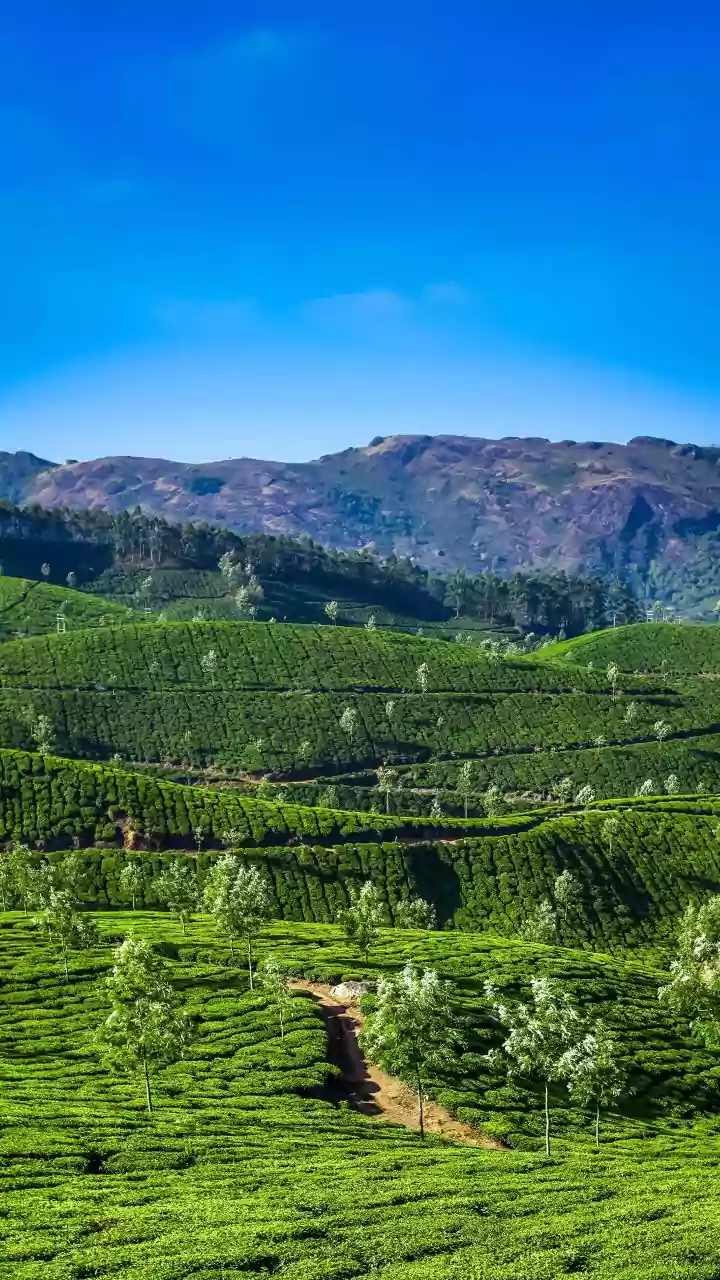
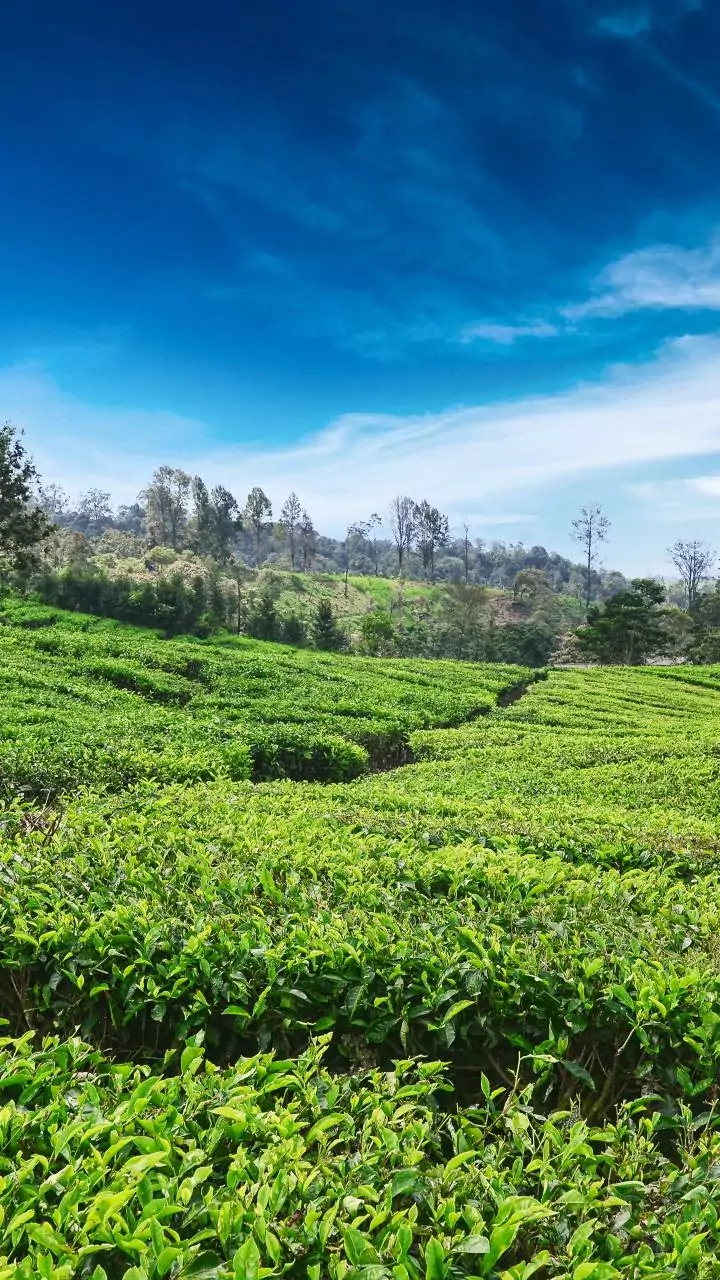
Instead of one big annual holiday, the trend is shifting towards multiple short getaways. Enter the 'micro-cation'—a short trip of one to three nights, often planned spontaneously around a long weekend or even just a regular one. Improved road and air connectivity to Tier-2 and Tier-3 cities has made this easier than ever. Young professionals are using public holidays and weekends to plan quick, restorative trips to nearby hills, beaches, or cities. These trips are not about checking off a long list of sights but about seeking experiences, like attending a festival, enjoying a specific cuisine, or simply unwinding in nature. This approach makes travel a frequent, integrated part of life rather than a rare, isolated event.
The 'Workation' Revolution
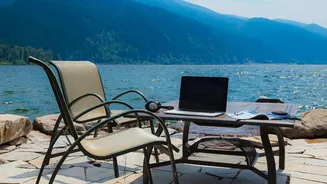
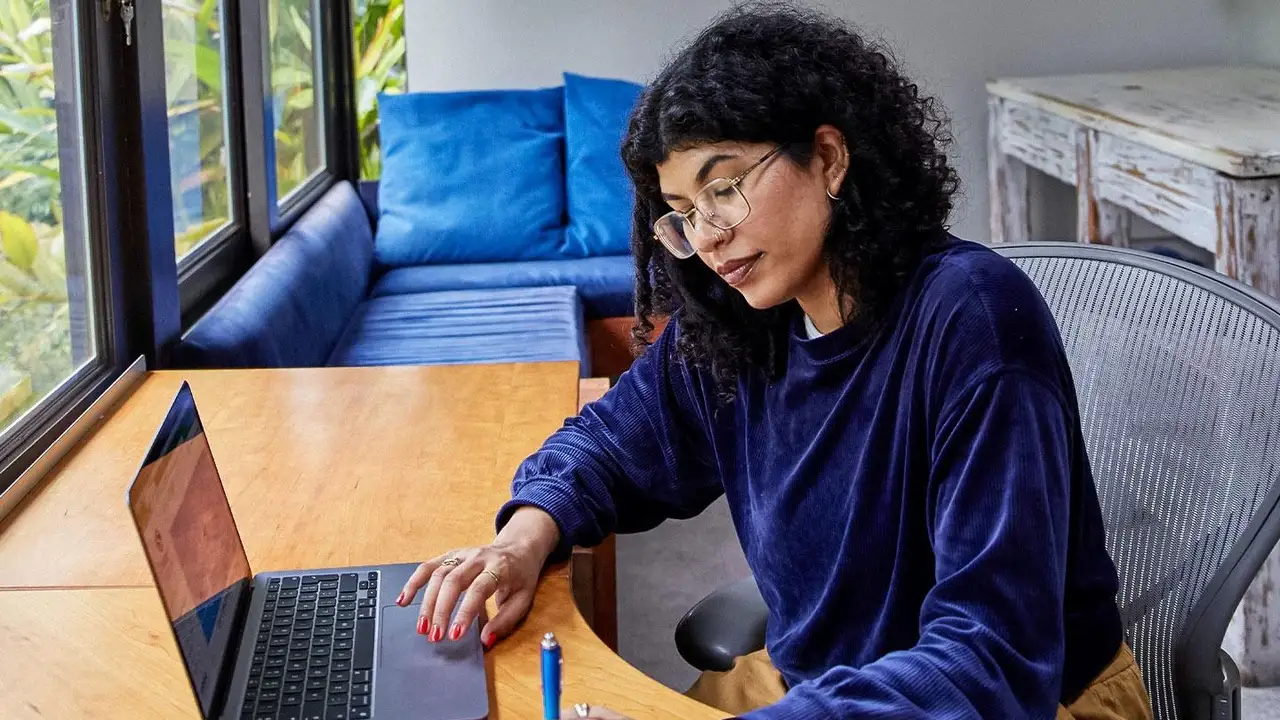
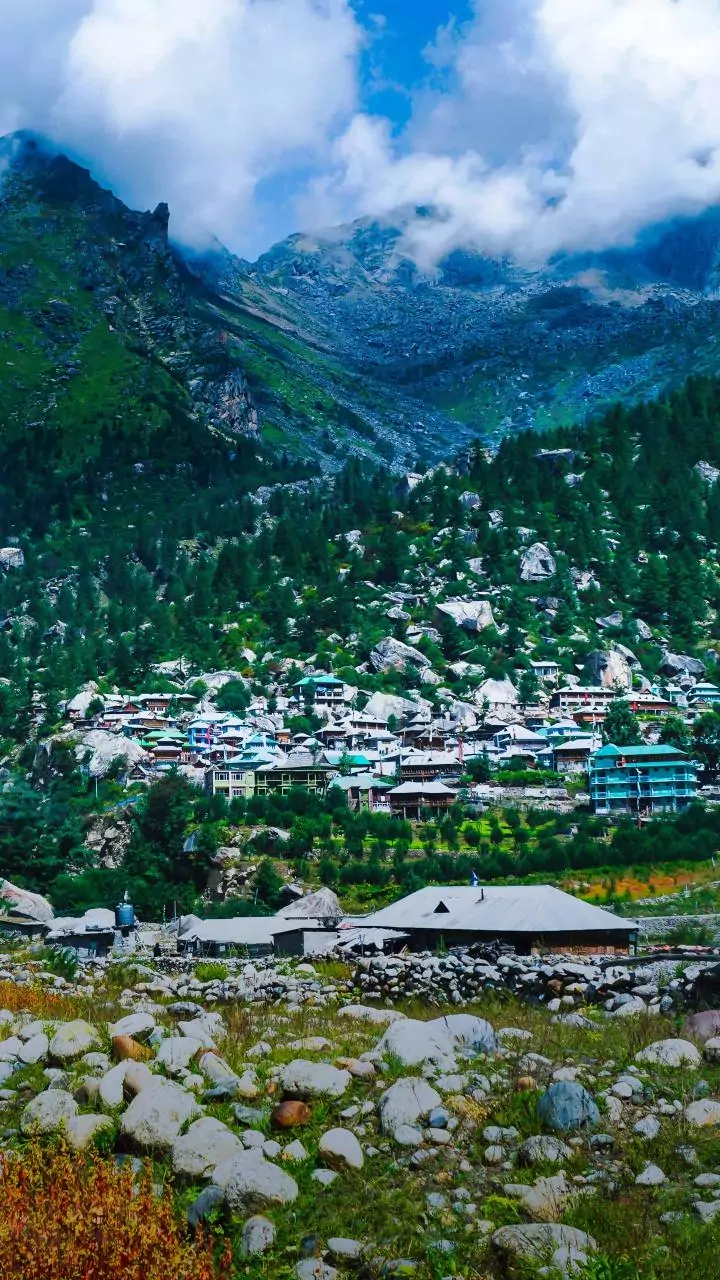
Distinct from bleisure, a 'workation' involves travelling to a desirable location and working from there. Fueled by the rise of remote and flexible work policies, this trend allows professionals to swap their home office for a café in Goa, a homestay in the Himalayas, or a resort in Coorg. As long as there's a reliable internet connection, work continues as usual, but the evenings and weekends are spent exploring a new environment. This change offers a significant mental health boost, providing a change of scenery that can reduce burnout and increase productivity without using any leave days at all. Destinations like Goa, Rishikesh, Shimla, and even Bengaluru are becoming popular workation hubs, with the hospitality industry adapting to offer long-stay packages and co-working facilities.
Experience-Led and Slower Journeys
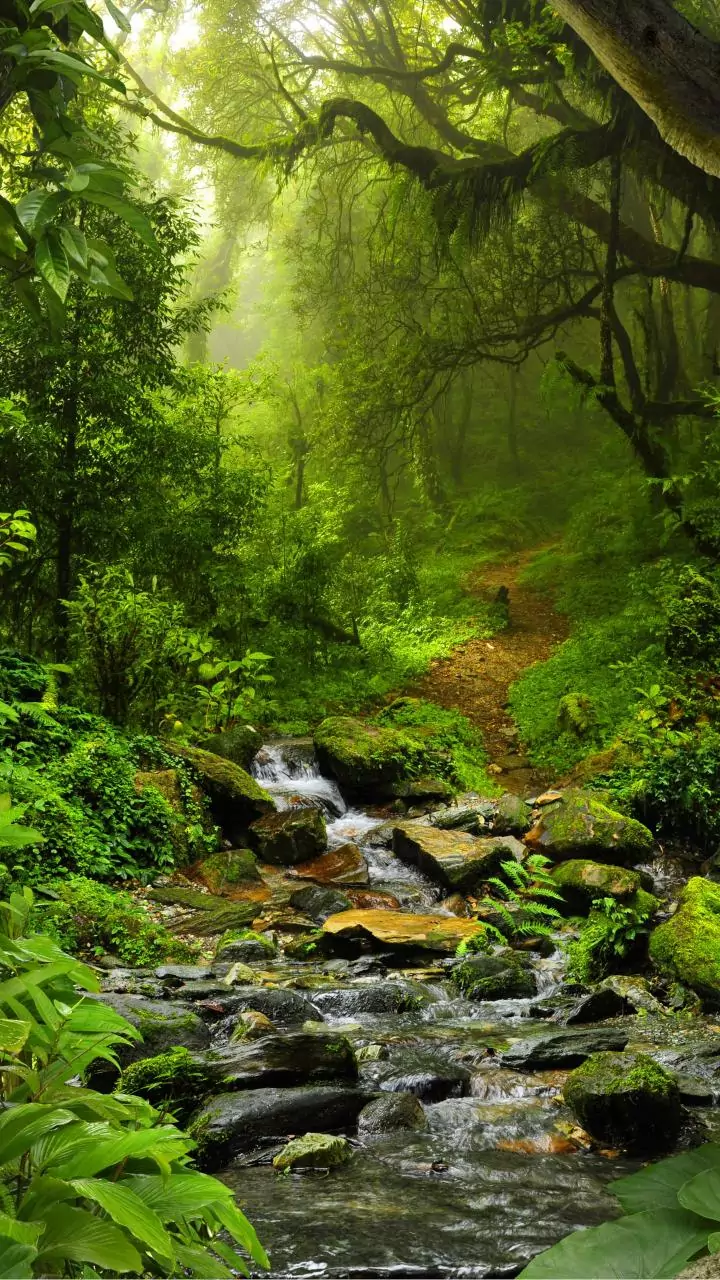
There's also a philosophical shift in how young Indians travel. The focus is moving from 'checklist tourism' to experience-led journeys. A recent report found that 78% of Indian travellers prioritise meaningful local experiences over generic sightseeing. This often means choosing to stay longer in one place to immerse in the local culture, rather than rushing through multiple cities. Furthermore, a 2026 travel trends report noted that 91% of Indian travellers want to spend time in places with beautiful natural scenery, with the primary goal of mentally unwinding. This desire for slower, more restorative travel aligns perfectly with the constraints of modern work, where even a short, immersive break can feel more replenishing than a packed, stressful tour.