




Get Your Pots Ready
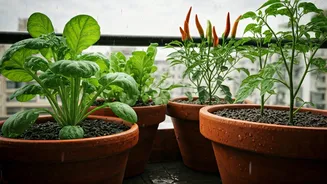
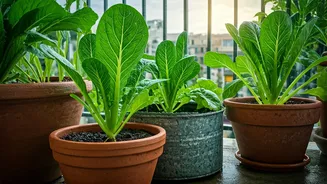
Before you sow a single seed, preparation is key. The biggest challenge during the monsoon isn't a lack of water, but too much of it. Your number one priority is ensuring excellent drainage to prevent root rot. Choose pots with plenty of drainage holes.
If you're using standard terracotta or plastic pots, you can even drill a few extra holes around the bottom sides. A layer of broken pottery shards or small stones at the base of the pot before adding soil can also help. For soil, don't use heavy garden soil alone. A light, well-draining potting mix is essential. Create a mix of equal parts cocopeat (which retains moisture but stays light), compost or vermicompost (for nutrients), and perlite or sand (for aeration and drainage). This trio creates the perfect environment for healthy roots to thrive, even with daily showers.
1. Leafy Greens (Palak, Amaranth, Methi)
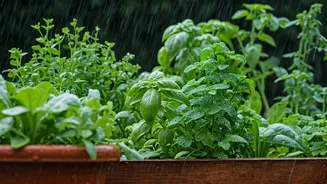
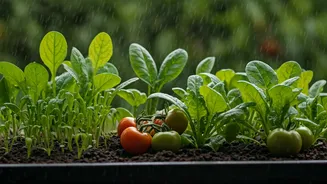
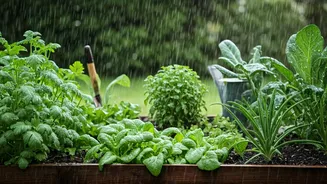
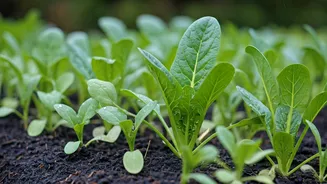
Leafy greens are the superstars of small-space gardening. They grow quickly, don't need deep pots, and you can harvest them multiple times. Spinach (palak), amaranth (chaulai), and fenugreek (methi) are fantastic choices for the monsoon. They love the cooler temperatures and consistent moisture. Use rectangular planters or troughs to maximise your space. Sow the seeds directly into your potting mix, covering them with a thin layer of soil. You can start harvesting the outer leaves in as little as 3-4 weeks, leaving the inner leaves to continue growing for a continuous supply. Keep an eye out for snails and slugs, which are more active in the rain; a sprinkle of crushed eggshells around your pots can deter them.
2. Chillies and Bell Peppers (Capsicum)
A staple in every Indian kitchen, chillies and capsicums are surprisingly easy to grow in pots. They add a splash of colour to your balcony and provide fresh, crisp vegetables for your cooking. Both belong to the same family and enjoy the humid conditions of the monsoon, but they do need protection from heavy, direct downpours that can damage the delicate flowers and fruit. Place them in a spot that gets at least 4-5 hours of sunlight but is sheltered from the strongest rain, perhaps under a slight overhang. A 10-12 inch pot is sufficient for a single plant. They are relatively low-maintenance, but benefit from a nutrient boost from compost every few weeks.
3. Bhindi (Okra)
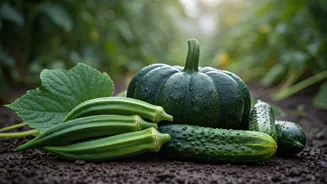
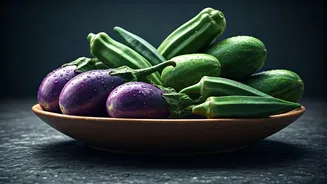
Bhindi is a warm-season crop that flourishes during the Indian monsoon. It’s a hardy plant that doesn’t demand much fuss. The beautiful, hibiscus-like flowers are an added bonus for your balcony's aesthetics. Plant 2-3 seeds in a deep pot (at least 12-15 inches) to accommodate its taproot. Once the seedlings are a few inches tall, thin them out, leaving only the strongest one. Bhindi plants need good air circulation to prevent fungal issues like powdery mildew, so don't crowd your pots. They are also sun-lovers, so ensure they receive as much direct sunlight as your balcony allows. You can expect to start harvesting tender okra pods about 50-60 days after planting.
4. Beans (Bush Varieties)
Beans are prolific growers and nitrogen-fixers, meaning they enrich the soil as they grow. For small spaces, stick to 'bush' varieties instead of 'pole' varieties, as they grow into compact bushes and don't require extensive trellises. French beans and various local varieties of cowpea (lobia) are excellent choices. They germinate quickly in the moist monsoon soil and grow rapidly. A medium-sized pot (8-10 inches) is perfect. Regular harvesting is the secret to a bountiful crop; the more you pick, the more the plant will produce. They are relatively pest-resistant, making them a great option for beginner gardeners.
5. Radish (Mooli)
If you're looking for quick results, radish is your answer. This root vegetable can go from seed to harvest in just 4-6 weeks. The monsoon provides the cool, moist soil that radishes love, resulting in crisp, non-spicy roots. Choose a pot that is at least 8-10 inches deep to allow the root to develop properly. Sow seeds about an inch apart and thin them as they grow. The best part? Nothing goes to waste. While you wait for the roots to mature, you can harvest and cook the nutritious green tops, which are delicious in their own right.