



The Luchi: A Puffed Bread with a Story
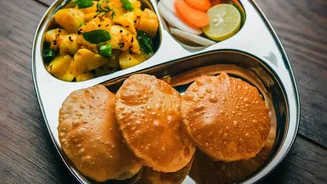
Luchi is a deep-fried, puffed flatbread, distinguished from its North Indian cousin, the poori, by its primary ingredient. While poori is typically made from whole wheat flour (atta), luchi is crafted from refined flour (maida), which gives it a characteristically
white colour and a soft, delicate texture. Some food historians trace the introduction of refined flour in Bengal to the Portuguese. Bengalis adapted this new ingredient, not for baking bread as the Europeans did, but by kneading it into a dough and deep-frying small, rolled-out discs until they puffed up into glorious, airy orbs, aptly named 'fulko luchi'—'fulko' meaning puffed up. Traditionally fried in ghee, luchi is more than just a bread; it's a symbol of festivity and special occasions, from Durga Puja to weddings and family gatherings. Its presence on the table signifies joy and togetherness.
Cholar Dal: Not Just Any Lentil Curry
Cholar dal, made from chana dal (split Bengal gram), is a dish that beautifully encapsulates the sweet and savory flavour profile celebrated in Bengali vegetarian cooking. Unlike many other dal preparations across India, Bengali cholar dal is traditionally made without onion or garlic, making it suitable for religious festivals and offerings. Its unique character comes from a delicate balance of spices and additions. Aromatic whole spices like cinnamon, cardamom, cloves, and bay leaves are tempered in ghee, creating a fragrant base. The dal's signature sweetness is derived from a bit of sugar or jaggery, which is complemented by the inclusion of raisins and, most importantly, small pieces of coconut fried in ghee until golden. This creates a thick, comforting lentil dish with a delightful texture and a complex, mellow flavour that is both festive and nourishing.
A Match Made in the Bengali Kitchen
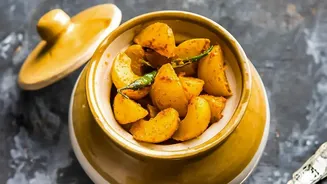
The pairing of the rich, indulgent luchi with the subtly sweet cholar dal is a masterstroke of culinary balance. The flaky, soft texture of the luchi provides the perfect vessel to scoop up the thick, hearty dal. The savouriness of the fried bread cuts through the gentle sweetness of the dal, while the dal's creamy consistency moistens the luchi, creating a harmonious bite. This combination likely solidified its place as a breakfast staple because it offered a complete, satisfying meal that felt special without always requiring the elaborate preparation of meat dishes. While luchi is also famously paired with spicy potato curry (aloo dum) or rich mutton curry (kosha mangsho), the niramish (vegetarian) nature of cholar dal made the duo a versatile and universally accepted option for any occasion, from a lazy Sunday breakfast to the Ashtami bhog during Durga Puja.
More Than a Meal, It's an Emotion
For many Bengalis, the combination of luchi and cholar dal is steeped in nostalgia. It's the taste of festive mornings, of family get-togethers, and the comforting aroma of home. The tradition is passed down through generations, with each family having its own subtle variations of the cholar dal recipe. While dal itself has been mentioned in Indian texts for centuries, this specific, celebratory version became deeply intertwined with Bengali cultural identity. It represents a certain culinary philosophy—one that values balance, texture, and the art of turning simple ingredients into something truly special. It is a perfect example of how, in Bengal, food is not just for sustenance but is a central part of life's most cherished moments.