




What Is Tempering, Exactly?
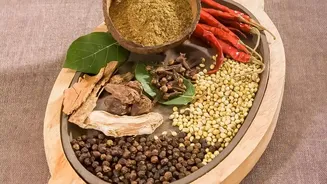
Tempering, known as 'tadka' or 'chaunk' in Hindi, is the heart of many Indian dishes. It's more than just adding spices; it's the art of blooming them in hot fat, like ghee or oil. This process unlocks their essential oils and deepest flavours, which
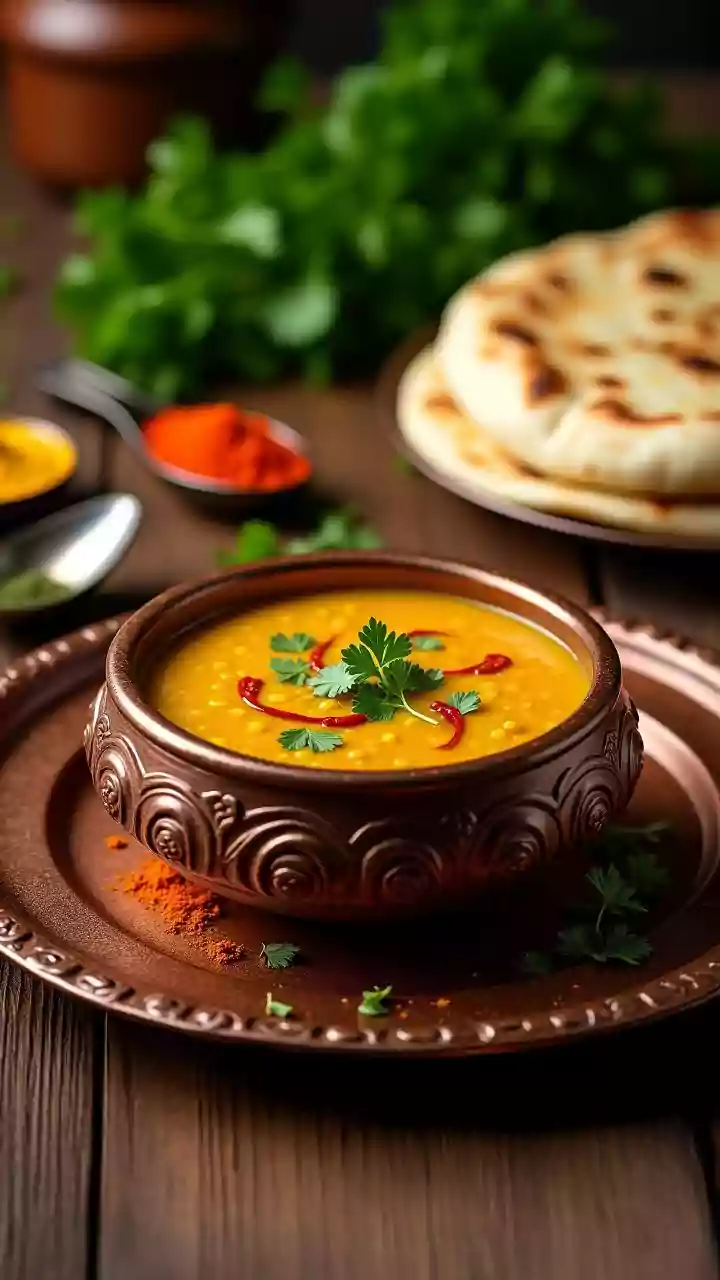
are fat-soluble, meaning water alone can't extract them. The technique involves briefly cooking whole spices until they sizzle and release their aroma, creating a flavour-infused oil that gets poured into a dish, often as a final flourish. This single step can transform a simple lentil dal or vegetable curry from flat to fantastically fragrant.
Why Cumin Is a Tempering Superstar
Cumin, or 'jeera', is one of the most common and essential spices for tempering. In its raw state, the seed has a sharp, slightly bitter taste. But when it hits hot oil, a magical transformation happens. The heat unlocks its signature warm, earthy, and nutty aromas, infusing the oil with a rich and smoky character. For tempering, always use whole cumin seeds, not ground powder. The seeds can withstand the heat and release their flavour gradually, whereas ground cumin burns almost instantly, which would add a bitter taste to your dish. That brief, sizzling dance in the pan is what makes cumin a foundational flavour in countless Indian recipes.
Your Step-by-Step Guide to Perfect Tempering
Tempering happens in seconds, so preparation is key. Have your spices measured and the lid for your main pot handy. First, heat one or two tablespoons of ghee or oil in a small pan (a 'tadka' pan is ideal) over medium heat. The fat is ready when it shimmers. To test it, drop in a single cumin seed; if it sizzles and rises to the surface immediately, the temperature is perfect. Add about a teaspoon of cumin seeds. They will immediately begin to crackle and dance. Stir or swirl the pan for just a few seconds until they turn a shade darker and release a powerful, toasty fragrance. Don't wait for them to turn black. Immediately pour the entire contents of the pan—the hot, fragrant oil and the seeds—over your finished dish, like dal or a vegetable curry.
Common Mistakes to Avoid
The line between perfectly bloomed and bitter, burnt spices is very fine. The most common mistake is having the oil too hot. If the oil is smoking, it's too hot, and your cumin will scorch instantly, ruining the dish. If you see smoke, take the pan off the heat and let it cool slightly before proceeding. Conversely, if the oil isn't hot enough, the spices won't sizzle or 'bloom'; they will just soak in the fat without releasing their essential oils. Another pitfall is adding all your spices at once if using a blend; different spices have different cooking times. Lastly, never walk away. Tempering is an active process that demands your full attention for under a minute.
The Magic of Cumin and Tamarind
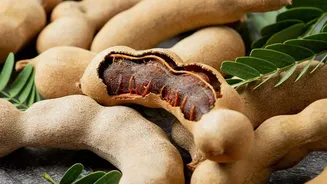
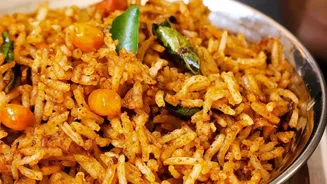
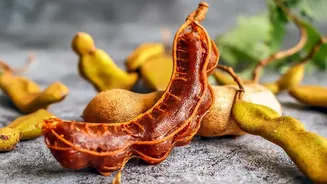
Cumin and tamarind are a classic flavour pairing in Indian cuisine, creating a beautiful balance of taste. Cumin brings a warm, earthy, and savoury depth. Tamarind, a tropical fruit, provides a contrasting tangy, sour, and slightly sweet note. When used together, they create a complex and harmonious flavour profile that excites the palate. The earthy warmth of tempered cumin grounds the bright zestiness of tamarind, preventing the sourness from being overpowering. This dynamic duo is the secret behind the distinctive taste of many South Indian dishes like rasam and sambar, as well as various chutneys and sauces where a balance of earthy and tangy is essential.