





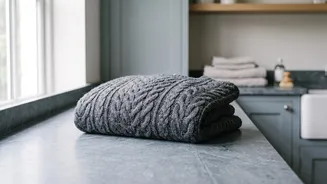

It’s a familiar moment: opening a box of stored winter clothes, only to be met with a stale, musty smell. That unwelcome odour is a sign that moisture and poor airflow have been at work while your favourite sweaters and coats were packed away.
The Science Behind the Smell
That musty
or stale scent is not just an 'old' smell; it’s the result of biological activity. The primary culprits are moisture and a lack of ventilation. When clothes are stored in a damp or humid environment without enough air circulation, it creates the perfect breeding ground for mould, mildew, and odour-causing bacteria. These microorganisms thrive in dark, stagnant spaces, feeding on residual body oils, sweat, or even tiny food spills left on fabrics. Even if clothes feel dry to the touch, a small amount of trapped moisture is enough to start the process over several months of storage. Poorly ventilated areas like basements, attics, or garages are notorious for temperature and humidity fluctuations that encourage condensation inside storage containers.
Prevention Starts Before Packing
The most effective way to prevent odours is to ensure your clothes are perfectly clean and completely dry before they go into storage. Washing or dry-cleaning every item removes the microscopic organic matter that mould and bacteria feed on. Pay close attention to cuffs, collars, and underarms, where oils and sweat accumulate. After washing, ensure every piece is thoroughly dry. Storing even slightly damp garments is one of the most common mistakes and a direct invitation for mildew. Running an extra spin cycle or allowing items to air out for a few hours after they come out of the dryer can make all the difference.
Choose Your Storage Container Wisely
The container you choose plays a huge role in protecting your clothes. While airtight plastic bins are excellent for keeping out pests and dust, they can also trap any residual moisture inside, potentially worsening the problem in a humid environment. For natural fibres like wool, cashmere, and cotton, breathable containers such as canvas bins or unbleached cotton garment bags are often a better choice, as they allow air to circulate and moisture to escape. If you do use plastic bins, make sure clothes are bone-dry and consider adding silica gel packs to absorb any excess humidity. Avoid storing clothes long-term in cardboard boxes, which can attract pests and absorb moisture, or in the plastic bags from the dry cleaner, which can trap chemicals and moisture.
Location, Location, Location
Where you store your clothes is just as important as what you store them in. The ideal environment is cool, dark, dry, and stable. Avoid basements and attics where temperature and humidity can swing dramatically. A spare room closet or under a bed in a climate-controlled part of the house is a much safer bet. Wherever you choose, ensure there's some room for air to circulate around your containers; don't pack them tightly against a wall. Elevating bins off a concrete floor can also help prevent moisture absorption.
Natural Tricks to Maintain Freshness
Several natural items can help absorb moisture and keep your stored clothes smelling fresh. An open box of baking soda placed inside a storage bin or closet works as a fantastic, inexpensive odour neutralizer. Activated charcoal is another powerful option for absorbing both moisture and smells. For a pleasant, pest-repelling scent, add cedar blocks or lavender sachets to your containers. Cedar not only imparts a clean scent but also naturally deters moths. An old-fashioned trick is to wrap a bar of scented soap in a thin cloth and tuck it in with your clothes.
Rescue Mission: How to Banish Musty Smells
If your clothes already have that storage smell, don't just mask it with fabric spray. First, air them out by hanging them outside in a shaded, breezy spot for several hours; direct sunlight can fade colours. For persistent odours, rewash the items. Adding a cup of white vinegar to the rinse cycle can work wonders to neutralize the compounds that cause the musty smell. Alternatively, you can add a half-cup of baking soda to your wash cycle to help deodorize the fabric. For delicate items, a soak in a baking soda and water solution before washing can be effective. Always ensure they are completely dry before wearing or returning to storage.