





A Nutritional Powerhouse
Don’t let its humble, rugged origins fool you; cactus fruit is a nutritional gem. It is packed with essential nutrients, including vitamin C, magnesium, potassium, and calcium. In fact, a single fruit can provide a significant portion of your daily vitamin C requirement.
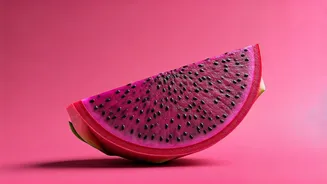
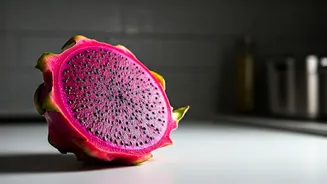
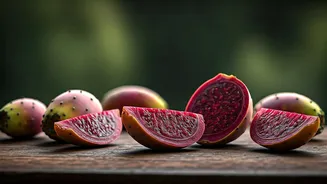
It's also low in calories and rich in dietary fibre, which is crucial for healthy digestion. The vibrant colour of the fruit, typically a deep red or pink, comes from pigments called betalains, which are powerful antioxidants. These antioxidants, along with other compounds like polyphenols and flavonoids, help fight inflammation and protect your cells from damage caused by free radicals.
Health Benefits Worth Noting
Regular consumption of prickly pear has been linked to several health benefits. Some studies suggest it may help lower 'bad' LDL cholesterol levels, supporting cardiovascular health. The fruit's fibre and specific compounds may also aid in blood sugar control, making it a topic of interest for those managing diabetes. In places like Mexico, it has been used in folk medicine for its anti-inflammatory properties for generations. Research has started to back this up, showing that consuming prickly pear can lead to a reduction in inflammatory markers in the body.
How to Choose and Store It
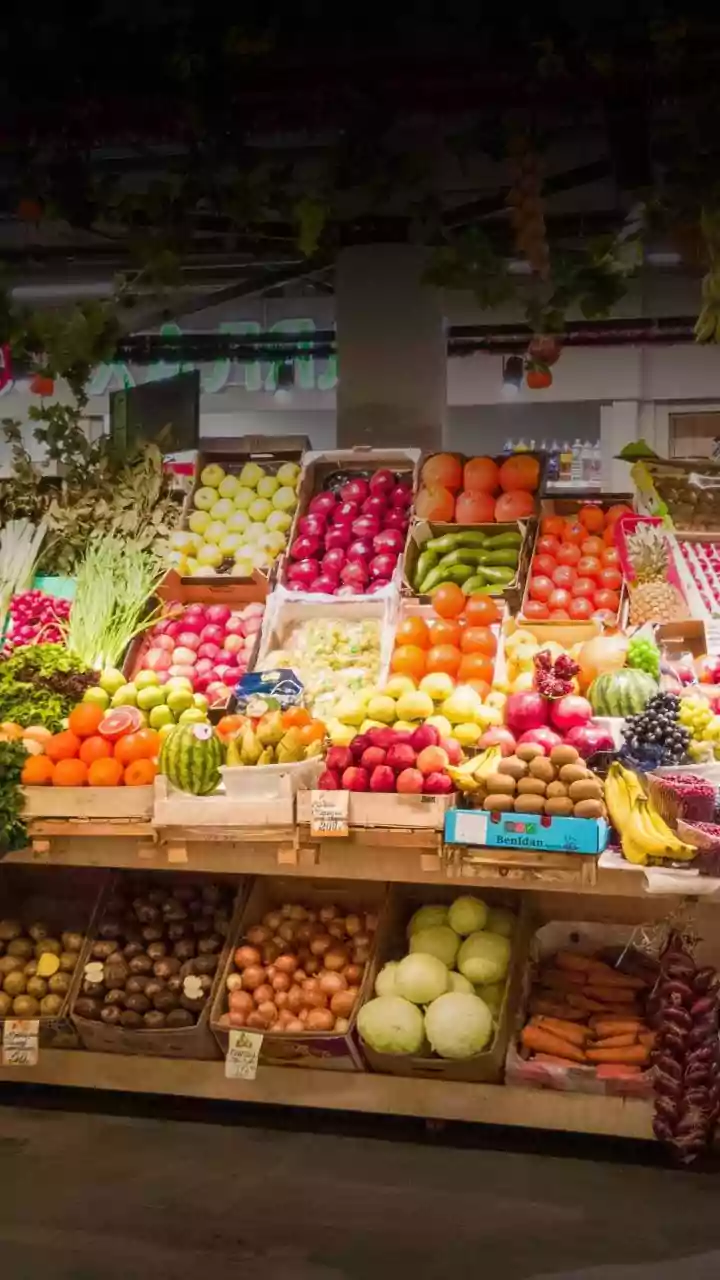
When you're at the market, look for fruits that are firm to the touch with a deep, uniform colour, ranging from bright pink to a dark purplish-red. Avoid fruits that are overly soft, bruised, or have a dull, shrivelled appearance. The deeper the colour, the sweeter and more flavourful the fruit tends to be. Green fruits are also available but are generally more tart. Once you bring them home, you can store them in the refrigerator, where they will stay fresh for about a week. For best flavour, it's often recommended to eat them chilled.
The Safe Way to Prepare Cactus Fruit
The main challenge with prickly pears is the tiny, almost invisible spines called glochids. Even fruits from the store may have some remaining. It's wise to handle them with tongs or thick gloves. To prepare the fruit, first hold it with tongs and carefully slice off both ends. Then, make a shallow vertical cut through the skin from top to bottom. From there, you should be able to slide a finger under the thick skin and peel it away, revealing the juicy flesh inside. Alternatively, you can slice the fruit in half and scoop out the flesh with a spoon. Never bite directly into the skin.
What Does It Taste Like?
Many people describe the flavour of prickly pear as a cross between a sweet watermelon and a classic pear, with hints of strawberry or raspberry. The texture is soft and juicy, similar to a kiwi. The flesh contains small, hard seeds which are edible but very crunchy. You can eat them, but many people prefer to spit them out or strain them if making juice. You can enjoy the fruit raw, on its own, or add it to fruit salads, smoothies, and desserts. The juice is also popular and can be used to make vibrant syrups, jellies, or even cocktails and mocktails.
Are There Any Downsides?
Like any food, moderation is key. Eating an excessive amount of cactus fruit may lead to some minor digestive side effects like bloating or nausea for some people. The high fibre content can also cause constipation if you eat too much of the fruit, including the hard seeds. People with diabetes who are taking medication to lower blood sugar should consult a doctor before adding large quantities of prickly pear to their diet, as it might affect blood sugar levels.