


The familiar sights of the festive season—gleaming diyas, vibrant rangoli, and tables laden with sweets—are getting a modern update. The mountain of decorative trinkets and endlessly re-gifted mithai boxes is slowly being replaced by a more thoughtful
approach.
Beyond the Mithai Box
For years, the cycle was predictable: a box of soan papdi arrives, gets offered to guests, and is often passed along to another household, sometimes making a full circle back to the original sender. But a quiet revolution is underway. Consumers are growing tired of generic, obligatory gifts that lack personal touch. This fatigue isn't just about sweets; it extends to any item that feels like it was bought in bulk without the recipient in mind. The shift is towards gifts that communicate genuine thought. Instead of another box of kaju katli, people are choosing items that align with the recipient’s lifestyle, be it a set of artisanal teas, smart home gadgets, or wellness products. It marks a move from a gesture of obligation to a moment of real connection.
The New Value Equation
Economic prudence is playing a significant role in reshaping gifting habits. With rising inflation and tighter household budgets, Indian consumers are becoming more selective with their discretionary spending. A 2026 survey by LocalCircles noted that overall festive spending is projected to decline slightly, suggesting that consumers are weighing every purchase carefully. This doesn't necessarily mean spending less on gifts, but rather spending smarter. 'Value' is no longer just about the lowest price; it's about the balance of cost, quality, and long-term utility. A gift that can be used daily, like a premium coffee maker, a quality handbag, or an elegant home decor piece, is increasingly seen as a better investment than a lavish but fleeting indulgence. This mindset prioritizes products that deliver value long after the festive lights are taken down.
A Conscience in Gifting
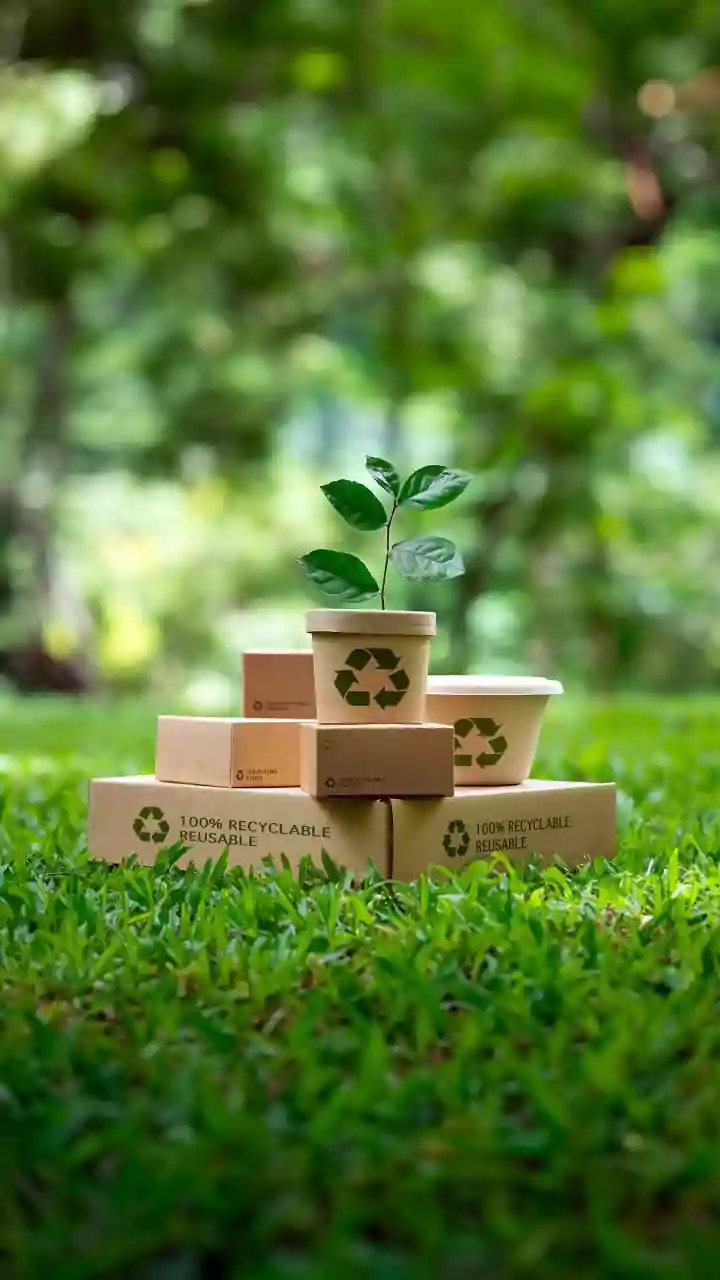
The growing awareness around health and sustainability is also steering gifting choices. Many are now consciously avoiding sugar-laden sweets, making the traditional mithai box less appealing, especially for health-conscious recipients. This has paved the way for wellness-oriented gifts, such as aromatherapy sets, air purifiers, organic food hampers, and even gym subscriptions. Furthermore, there is a rising preference for eco-friendly products. Consumers are increasingly opting for gifts made from sustainable materials that are reusable and have a smaller environmental footprint. This reflects a broader cultural shift where gifting becomes an extension of personal values, prioritising well-being and planetary health over pure opulence.
When Useful Becomes Personal
The pivot to practical gifting is not a move towards boring presents. In fact, it's the opposite. Utility is the new canvas for personalisation, which has become one of the biggest trends in the Indian market. A gift's usefulness makes it a constant, welcome presence in the recipient’s life. Think of smart pooja essentials with Bluetooth aartis, tech accessories that simplify daily routines, or subscription boxes tailored to a person's hobbies, like artisanal coffee or cultural experiences. These gifts show that the giver has paid attention to the recipient's actual needs and interests. A handcrafted brass tea strainer or a set of kansa bowls, for instance, is both practical and steeped in tradition, offering a sense of lasting value that a disposable item cannot match.
Gifting Experiences, Not Just Things
Perhaps the most significant evolution is the growing preference for experiential gifts over material goods. A 2025 survey highlighted that 51% of consumers preferred gifting experiences. This trend continues to grow, with people choosing to gift travel vouchers, dance class passes, or tickets to a concert. These gifts create lasting memories, which many now consider more valuable than a physical object. In the corporate world, too, the shift is palpable. Companies are moving away from generic hampers to more thoughtful gifts like wellness app subscriptions or digital gift cards, which offer employees the flexibility to choose what they truly want or need. This reflects a deeper understanding that the best gifts are often not things at all, but opportunities to create joy and well being.