






The Art of the Slow Steep
Unlike traditional iced tea, which often involves shock-chilling hot-brewed tea, the cold brew method is a study in patience. Tea leaves are steeped in cold or room-temperature water for an extended period, sometimes for 6 to 12 hours. This gentle, time-driven
process coaxes out the flavour compounds from the leaves without releasing the high levels of tannins and caffeine that can cause bitterness. The result is a remarkably smooth, naturally sweeter, and more nuanced beverage that highlights the inherent qualities of the tea itself. This method preserves a higher concentration of antioxidants compared to hot brewing, adding a wellness dimension to its appeal. This slow extraction is perfect for delicate white teas, floral infusions, and complex herbal blends, which can be damaged by high temperatures.
A Nationwide Breakup with Sugar
This shift is not happening in a vacuum. Indian consumers are becoming increasingly health-conscious, driving a significant move away from sugary drinks. Growing awareness of the health risks associated with high sugar consumption, such as obesity and diabetes, has led people to scrutinise labels and seek out cleaner, more natural options. Major beverage companies have noted this trend, reporting a significant surge in demand for low-sugar and no-sugar products. This conscious uncoupling from sugar is especially prominent among younger, urban consumers who are looking for balance rather than restriction; they still want enjoyable drinks but are more selective about what goes into them. The market for sugar alternatives, particularly natural ones like stevia and monk fruit, is also experiencing strong growth, enabling brands to reformulate their products for a more discerning audience.
The Rise of the Botanicals
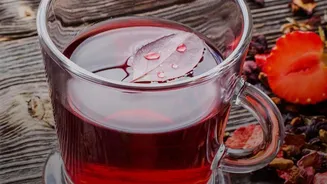
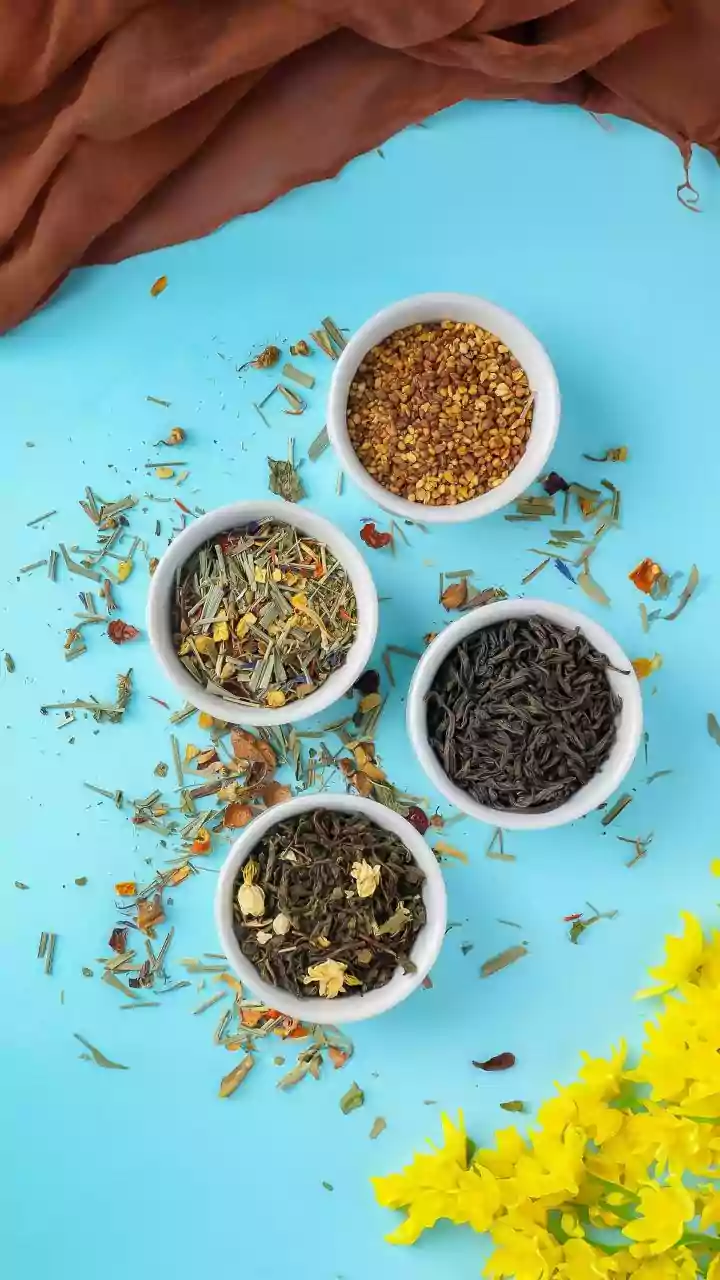
As consumers turn away from artificial syrups, they are embracing the complex world of botanicals. This category extends far beyond just tea leaves to include flowers, herbs, spices, and fruit extracts. Ingredients like hibiscus, lavender, rosemary, ginger, and tulsi are moving from the garden to the glass, offering sophisticated, layered flavour profiles that appeal to an adult palate. This trend is part of a broader movement toward functional beverages, where consumers want their drinks to do more than just quench their thirst. Botanicals often come with perceived health benefits—from the calming properties of chamomile to the immune support associated with turmeric—making them a perfect fit for today's wellness-focused consumer. This has spurred innovation, with brands crafting ready-to-drink (RTD) beverages that blend traditional Indian spices with global floral and fruit notes.
More Than a Drink, It's a Lifestyle
The embrace of slow-steeped teas and botanical infusions reflects a larger cultural shift toward artisanal and mindfully consumed products. Much like craft coffee or single-origin chocolate, these beverages are appreciated for their quality, authenticity, and the story behind them. For many, especially millennials and Gen Z, the choice of beverage is an extension of their identity. The visual appeal of a colourful, layered botanical tea is perfectly suited for social media, transforming a simple drink into a shareable experience. This new wave of beverages aligns with a desire for convenient yet high-quality options. The ready-to-drink format means these complex, flavourful drinks are no longer confined to high-end cafes; they are accessible for on-the-go consumption, fitting seamlessly into the busy lives of modern professionals and students.