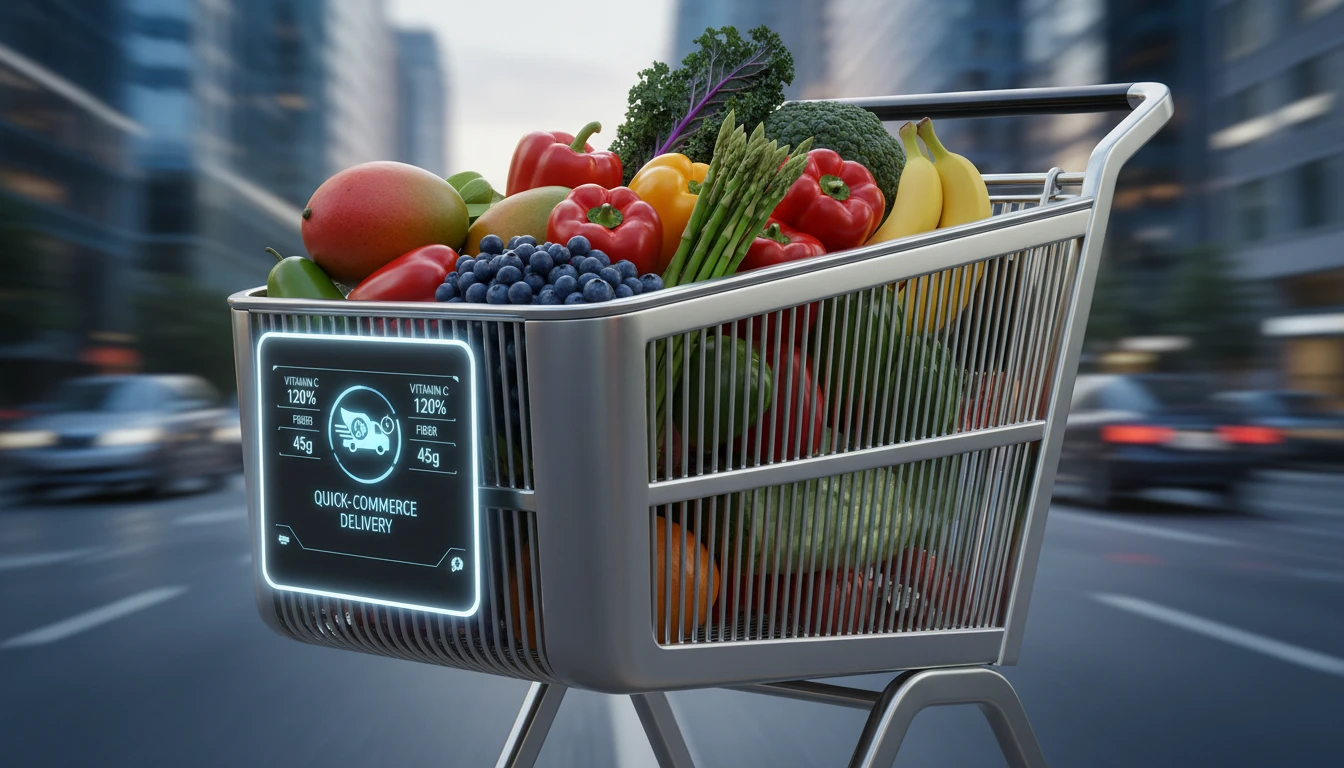









More Than Just Speed
At its core, quick commerce, or q-commerce, is a form of e-commerce defined by ultra-fast delivery, typically within 10 to 60 minutes. This model is built on a network of 'dark stores'—small, local warehouses strategically placed in dense urban areas
to facilitate rapid dispatch. Unlike traditional e-commerce, which uses large, centralized fulfillment centers for deliveries that take days, q-commerce focuses on a curated selection of products for immediate needs. This shift from planned, bulk purchases to on-demand convenience has fundamentally altered consumer expectations, driven by urbanisation, digital payments, and the simple reality of busy lives.
The Expansion into New Categories
While groceries were the gateway, quick commerce platforms in India are now aggressively pushing into higher-margin categories. Non-grocery items like electronics, beauty products, apparel, pet supplies, and over-the-counter medicines now account for up to 25% of gross sales for major players, a significant jump from under 10% just a couple of years ago. Platforms like Zepto, Blinkit, and Swiggy's Instamart are all diversifying their offerings. You can now order a smartphone, a new outfit, or even construction materials and have them at your door in under an hour. This evolution transforms q-commerce from an emergency top-up service into a legitimate, full-fledged retail channel.
The Challenge of Profitability
Despite explosive growth, the path to profitability for quick commerce is complex. The core challenge lies in unit economics—the revenue and cost associated with each individual order. Last-mile delivery is the single largest cost, followed by expenses for running dark stores, including rent, salaries, and inventory management. For a long time, the average order value (AOV) was too low to cover these high operational costs, leading many companies to burn through venture capital funding. The industry is now intensely focused on improving these economics. The push into higher-margin categories like electronics and fashion is a direct strategy to increase AOV and improve overall profitability. Another key revenue stream is in-app advertising, where brands pay for visibility, which can account for a significant portion of a platform's income.
India's Competitive Landscape
The quick commerce market in India is a battleground dominated by three main players: Blinkit (backed by Zomato), Zepto, and Swiggy Instamart. Together, they handle over 90% of all q-commerce orders. Blinkit currently leads in market share and the size of its dark store network. Zepto, the youngest of the three, has built a strong brand with a premium customer base and boasts high order intensity per store. Swiggy's Instamart benefits from its integration with Swiggy's massive food delivery ecosystem. The competition is fierce, with each platform investing heavily in expanding its network of dark stores, refining its technology, and winning customer loyalty. Even traditional e-commerce giants like Amazon and Flipkart are entering the fray, signaling that quick commerce is a battle no major retailer can afford to lose.
What Does the Future Hold?
The future of quick commerce is about more than just getting faster. It's about getting smarter and more integrated into our daily lives. Expect to see continued expansion into new and niche categories, from baby care to luxury goods. Technology, particularly artificial intelligence, will play a crucial role in optimizing logistics, forecasting local demand, and personalizing the customer experience. While the 10-minute delivery promise will remain for essential items, a more flexible model offering 60-minute delivery for a wider range of products may become common. The industry is rapidly maturing from a growth-at-all-costs mindset to one focused on sustainable, profitable operations, ensuring that the convenience of instant delivery is here to stay.