



Batch cooking is a lifesaver for busy working couples, promising stress-free weeknight dinners. But as you stack those containers, a crucial question arises: are you doing it safely? Here are the food safety basics you need to know.
The Foundation: Cleanliness and Separation
Before you even start
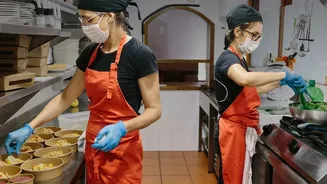
chopping, your food safety plan begins with two core principles: cleanliness and separation. Always wash your hands with soap and warm water for at least 20 seconds before and after handling food. Use separate cutting boards for raw meat, poultry, and seafood to prevent cross-contamination with vegetables and ready-to-eat items. After you're done with raw meats, thoroughly wash all utensils, cutting boards, and countertops with hot, soapy water. This simple discipline is your first line of defence against foodborne illnesses, ensuring that harmful bacteria from raw ingredients don't find their way into your cooked meals.
The Danger Zone and The Two-Hour Rule
The most critical concept in food safety is the 'Temperature Danger Zone', which is the range between 5°C and 60°C where bacteria can multiply rapidly. Because of this, you must follow the two-hour rule: never leave perishable food at room temperature for more than two hours. Once your dishes are cooked, the clock starts. You have a two-hour window to cool them down and get them into the refrigerator. If you're cooking a large pot of dal, soup, or curry, don't just place the entire hot pot in the fridge. This will not only raise the internal temperature of the refrigerator, potentially endangering other foods, but it will also cool too slowly, allowing bacteria to grow.
Cooling Food Quickly and Correctly
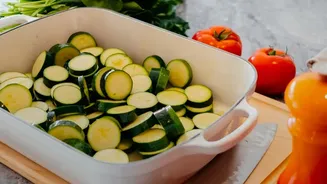
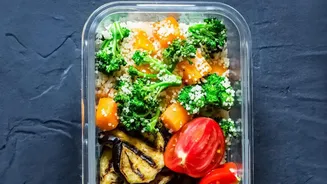
The goal is to move food through the danger zone as fast as possible. To do this, divide large batches into smaller, shallow containers no more than a few inches deep. Spreading foods like rice or roasted vegetables in a thin layer on a baking sheet also helps them cool rapidly. An ice water bath is another effective method: place your container of hot food into a larger bowl filled with ice and water, stirring the food to expedite cooling. Allow food to cool to about room temperature before putting it into the fridge, but don't wait longer than the two-hour window.
Smart Storage: Fridge vs. Freezer
Proper storage is essential for maintaining the quality and safety of your batch cooked meals. Always use airtight, food safe containers to prevent contamination and freezer burn. A well organised labelling system is your best friend; mark each container with the name of the dish and the date it was cooked. For meals you plan to eat within a few days, the refrigerator is fine. According to the USDA, most cooked leftovers can be safely stored in the fridge for 3 to 4 days. For longer term storage, the freezer is the answer. While frozen food is safe indefinitely from a bacterial standpoint, its quality in terms of flavour and texture is best within 3 to 4 months.
The Right Way to Reheat
When it s time to enjoy your pre prepped meal, reheating correctly is just as important as the initial cooking. Your goal is to bring the food to a safe internal temperature of 75°C to kill any bacteria that might have developed. For sauces, soups, and gravies, this means bringing them to a rolling boil on the stovetop. When using a microwave, cover the food to retain moisture and ensure it heats evenly, stirring partway through. A good rule of thumb is to reheat food using the same method it was cooked; oven baked dishes reheat well in the oven, while saucy items do best on the stovetop. Never reheat leftovers more than once.
What Not to Batch and Freeze
While batch cooking is versatile, some foods simply don t hold up well to freezing and reheating. Items with a high water content, like cucumbers, lettuce, and fresh tomatoes, will turn mushy and unpalatable when thawed. Dairy based sauces, like those with cream or yogurt, have a tendency to separate and become grainy. Fried foods will lose their crispness, and whole boiled eggs can become rubbery. Cooked pasta can also become overly soft, so if you plan to freeze a pasta dish, it s often best to undercook it slightly. Knowing which ingredients are freezer friendly will save you from a disappointing meal down the line.