






The Great Rain Shadow Advantage
Spiti's magic lies in a simple geographical trick: it's a rain-shadow region. The towering Pir Panjal and Great Himalayan ranges act as colossal bodyguards, blocking the moisture-laden monsoon clouds from entering the valley. While the rest of the country
deals with heavy rainfall, Spiti remains remarkably dry and sunny, receiving minimal precipitation during the monsoon months of July and August. This unique climatic condition means you can plan a trip with confidence, largely free from the weather disruptions, landslides within the valley, and continuous showers that plague other mountain destinations during this time.
A Landscape of Stark, Sun-Kissed Beauty
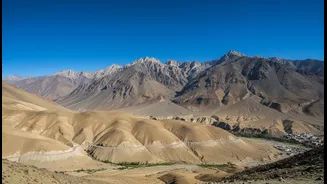
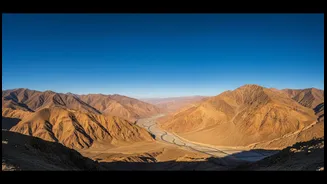
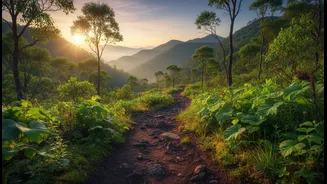
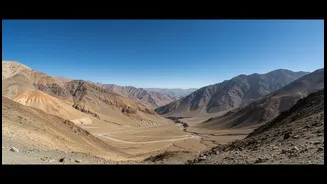
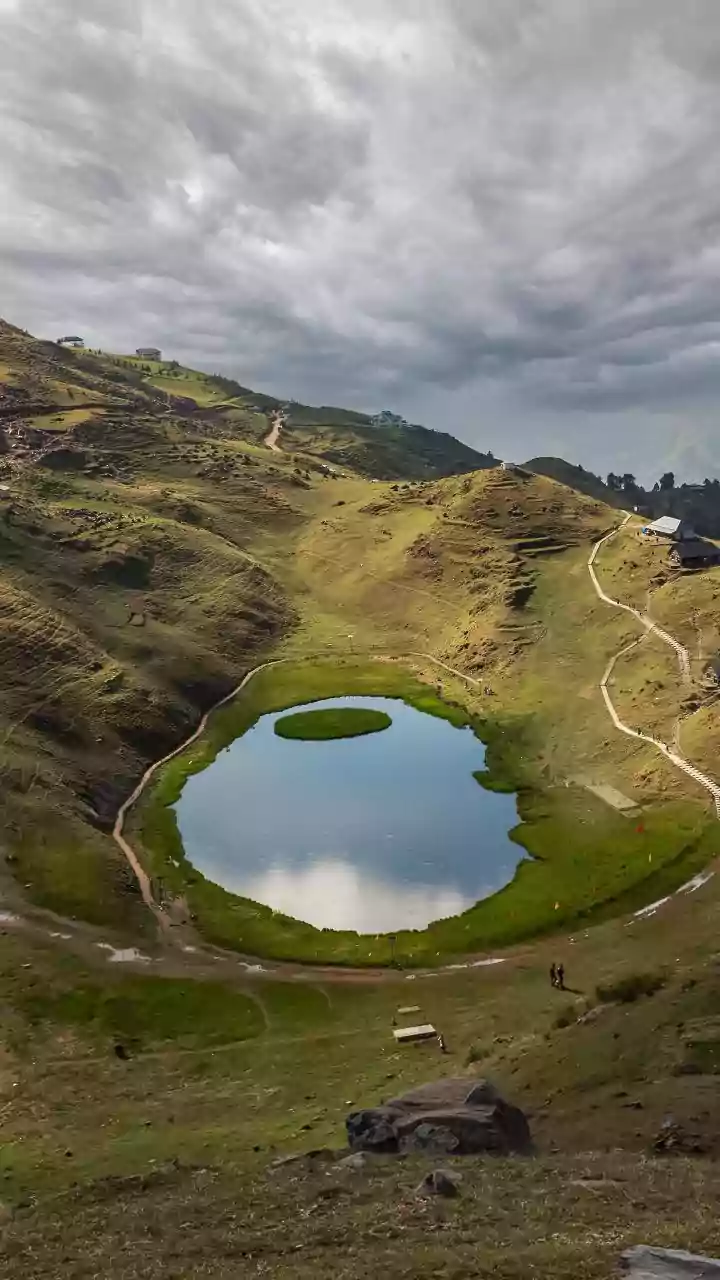
Forget the lush, green palettes typical of monsoon destinations. Spiti offers a different kind of beauty—one defined by stark, lunar-like landscapes, deep blue skies, and dramatic, barren mountains. The sun-drenched days cast sharp shadows, accentuating the rugged terrain and the vibrant colours of ancient monasteries clinging to cliffsides. Occasional light rains can bring a surprising and temporary burst of green to the valley floor, creating a stunning contrast against the rust-coloured peaks. It’s a photographer’s paradise, offering a raw, high-definition vista that feels both ancient and otherworldly, especially when tourist crowds are thinner.
The Minimalist's Perfect Itinerary
Minimalist travel thrives in Spiti, where the focus is on experience over excess. The relative quiet of the monsoon season means fewer tourists, allowing for more serene and personal explorations. Forget luxury resorts; the best way to experience Spiti is by staying in local homestays. These simple, mud-brick houses offer a warm, authentic glimpse into Spitian life, complete with home-cooked meals and stories from your hosts. Your itinerary can be beautifully simple: explore some of the world's oldest monasteries like Key, Tabo, and Dhankar, send a postcard from the world's highest post office in Hikkim, hunt for ancient marine fossils in Langza, and spend nights stargazing at the clear, unpolluted sky.
The Journey: An Adventure in Itself
Reaching Spiti is part of the adventure. There are two main routes: one from Shimla via Kinnaur and the other from Manali via Kunzum Pass. During the monsoon, the Shimla-Kaza highway is generally considered the more reliable and safer option. It allows for gradual acclimatisation to the high altitude, a crucial factor for a safe trip. While the approach roads through Kinnaur can experience rain and potential blockades, the journey through the Sutlej valley is breathtaking. The Manali route, though shorter and legendary for its views, is more challenging during this period due to melting glaciers creating water crossings and slushy sections. For a complete experience, many travellers prefer entering via Shimla and exiting via Manali, weather permitting.
Packing Light but Smart
A minimalist ethos extends to your backpack. While the days are sunny, temperatures can drop significantly at night. The key is packing layers: lightweight T-shirts, a fleece, and a windproof/waterproof jacket for the evenings or unexpected drizzles on the approach roads. Given the strong high-altitude sun, sunscreen, sunglasses, and a hat are non-negotiable. Carry a basic medical kit, including medication for altitude sickness after consulting a doctor. Good, sturdy shoes are essential for exploring monasteries and villages. Finally, carry enough cash, as ATMs are scarce and can often be out of service in Kaza.