





Hair extensions are a significant investment, so watching strands shed can be frustrating. The secret to making them last longer and protecting your wallet isn't a mystery product—it's a simple, gentle technique you can master at home.
Understanding Why Extensions Shed
Before diving into
the 'how', it's important to understand the 'why'. Unlike your natural hair, extensions don't receive oils from your scalp, making them drier and more prone to tangling. Shedding occurs when individual hair strands are pulled from the weft, tape, or bond. This is most often caused by aggressive brushing, tension, and friction. Each time you rip through a knot, you're not just damaging the hair; you're weakening the attachment point, which leads to hair loss from the extension and a thinner, more sparse appearance over time. A small amount of shedding can be normal, especially with new extensions, but excessive shedding is usually a sign of improper care.
The Right Tools Make All the Difference
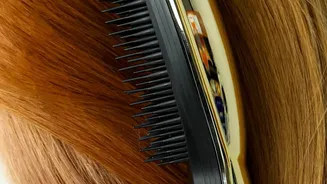
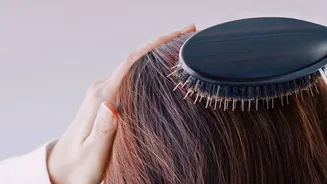
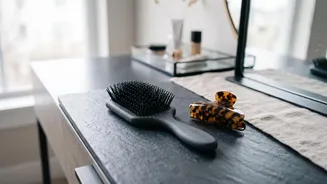
You wouldn't use just any tool for a delicate job, and your extensions are no different. Using the wrong brush can snag, pull, and destroy the bonds or wefts. Extension-safe brushes are designed to glide through hair without catching. Look for loop brushes, which have unique looped bristles that won't snag on bonds, or soft boar bristle brushes that smooth the hair. A wide-tooth comb is your best friend for working through bigger tangles, especially when the hair is damp. Many experts recommend avoiding brushes with plastic balls on the tips, as these can easily catch and pull out extensions. Investing in a quality detangling brush specifically designed for extensions is a small price to pay to protect a much larger investment.
Master the 'Bottom-Up' Brushing Technique
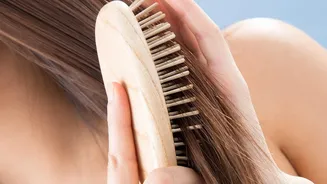
The single most effective change you can make is to stop brushing from the roots down. Instead, adopt the 'bottom-up' method. Start by holding your hair in one hand to support the roots and prevent tension on the attachments. With your other hand, begin brushing only the last few inches at the ends of your hair. Once the ends are completely tangle-free, move the brush up a few inches and repeat the process. Continue working your way up the hair shaft in sections until you can brush smoothly from the roots to the ends without any pulling. This technique ensures you're not dragging a knot from the top of the hair all the way through the length, which is a primary cause of breakage and shedding.
A Gentle Daily and Nightly Routine
Consistency is key to preventing tangles before they become a major problem. Make it a habit to gently brush your extensions at least twice a day—once in the morning and once before bed. Before sleeping, securing your hair in a loose braid and using a silk pillowcase can dramatically reduce friction and prevent overnight matting. If you encounter a stubborn knot, don't force it. Apply a small amount of a lightweight leave-in conditioner or detangling spray to the knot, let it sit for a minute to soften the hair, and then use your fingers or a wide-tooth comb to gently work it out.
The Financial Benefit of Gentle Care
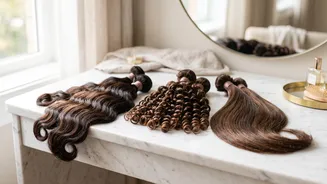
Protecting your extensions isn't just about aesthetics; it's about smart money management. The initial cost of quality human hair extensions can range from several hundred to over a thousand dollars, with installation adding another significant fee. Maintenance appointments every 6-8 weeks add to the ongoing cost, typically running between $150 and $300 per visit. When extensions shed excessively, they lose their volume and may need to be replaced entirely much sooner than their expected lifespan of 6-12 months. By adopting a gentle detangling routine, you extend the life of the hair you purchased, pushing back the date when you'll need to buy new bundles and ultimately saving you hundreds, if not thousands, of dollars per year.