
The Unmistakable Appeal
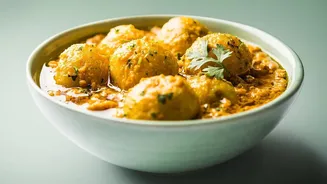
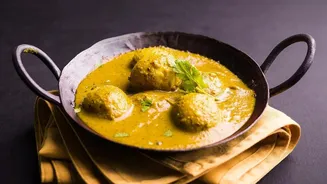
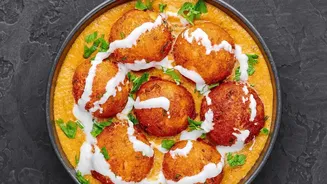
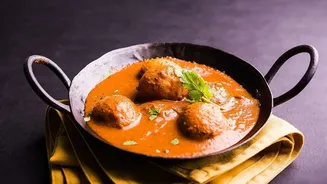
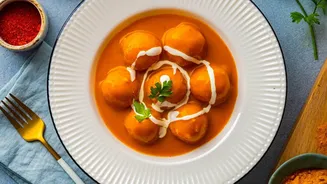
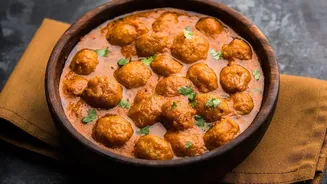
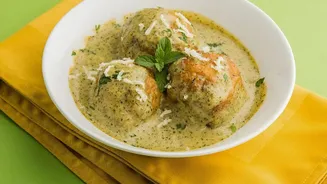
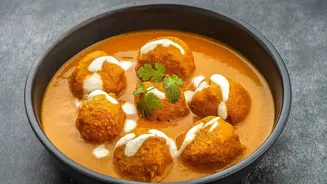
There are few dishes as decadent as Malai Kofta. Soft, melt-in-your-mouth dumplings, traditionally made from paneer and potato, are deep-fried to a perfect golden-brown. These 'koftas' are then submerged in a velvety, rich gravy, a flavourful blend of onion,
tomato, cashews, and cream. 'Malai' translates to cream, and 'kofta' refers to the spiced dumplings, which have roots in Persian and Central Asian cuisines where they were originally made with minced meat. The vegetarian version we know and love today is a textural masterpiece: the crispy exterior of the kofta giving way to a soft interior, all enveloped in a smooth, aromatic sauce.
A Dish Born in Royal Kitchens
Malai Kofta's story begins in the opulent kitchens of the Mughal Empire. Mughlai cuisine, known for its richness and aromatic spices, was a fusion of Indian subcontinent culinary traditions with Persian and Central Asian cooking styles. The original 'kofta' was a meatball, but as the recipe journeyed through India, vegetarian adaptations began to appear to cater to local palates and preferences. Royal cooks substituted meat with paneer, potatoes, and other vegetables, while enriching the gravy with expensive ingredients like cream, nuts, and saffron. This transformation cemented its status as a dish fit for nobility — a symbol of luxury and indulgence.
The Centrepiece of Celebration
The very nature of Malai Kofta, with its rich ingredients and multi-step preparation, has long made it a dish reserved for special occasions. Making it at home is often a labour of love, involving the careful preparation of the koftas and the slow simmering of the gravy. For this reason, it has become a staple at festive gatherings, weddings, and celebrations across North India. Serving Malai Kofta signifies hospitality and generosity, offering guests a taste of something truly special and celebratory. Its presence on a festive menu elevates the entire meal, marking the occasion as one of significance.
From Festive Treat to Restaurant Star
So how did a special-occasion dish become an everyday favourite? The answer lies in the rise of the Indian restaurant. As restaurants sought to offer patrons a taste of luxury and tradition, Malai Kofta was a natural fit. It was vegetarian, making it widely appealing, yet it carried an aura of opulence from its Mughlai roots. For diners, ordering Malai Kofta was a way to enjoy a complex, celebratory dish without the extensive effort required to cook it at home. Restaurants perfected a consistent, crowd-pleasing version, turning a festive luxury into an accessible indulgence. It quickly became, and remains, one of the most popular vegetarian dishes ordered in Indian restaurants worldwide.
A Dish That Bridges Two Worlds
Today, Malai Kofta exists beautifully in two realms. At home, it remains a cherished dish for festivals like Diwali or special family dinners, its preparation a ritual of love and celebration. In restaurants, from local dhabas to fine-dining establishments, it is a reliable and comforting choice that promises a rich, satisfying experience. Some modern chefs even experiment with healthier, air-fried koftas or lighter gravies, ensuring the dish continues to evolve. This dual identity is its greatest strength. It connects the grand traditions of festive home cooking with the everyday pleasure of dining out, proving that a truly great dish can be both a rare treat and a familiar friend.