




Watering: Less is More
The single biggest mistake during monsoon is overwatering. [11] With high humidity, the soil dries out much slower. Constant wetness suffocates roots, leading to the dreaded root rot, which appears as yellowing leaves and mushy stems. [20, 23] Before
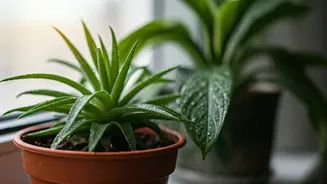
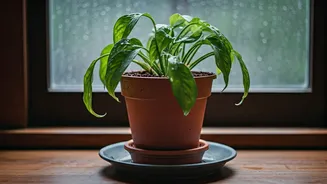
you water, always check the soil. Insert your finger about an inch deep; if it feels moist, wait another day or two. [4, 14] Most indoor plants will need significantly less water than in summer. [4] Also, ensure your pots have clear drainage holes to let any excess water escape freely. [3, 5] Never let your plants sit in trays full of water, as this is a direct invitation for rot. [17]
Light and Location
Cloudy days mean significantly less sunlight. While you can't control the weather, you can optimize your plant's position. Move your light-loving plants, such as succulents and some flowering varieties, closer to east or south-facing windows where they can catch maximum available light. [3] Clean your windows, as a layer of dust can filter out precious light. Regularly rotating your pots will also ensure all sides of the plant get some exposure, preventing lopsided growth. For plants in darker corners, you might consider supplementing with a grow light, though for many common houseplants, simply moving them is enough.
Humidity and Airflow
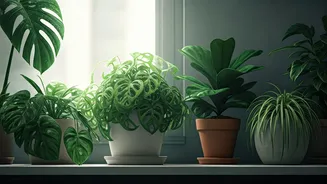
While some tropical plants adore the high humidity, for many, it creates a perfect environment for fungal diseases like powdery mildew. [5, 9] Good air circulation is your best defence. [6] If possible, open windows for a few hours on less rainy days to get fresh air moving. Avoid overcrowding your plants; giving them space allows air to circulate between the leaves, keeping them dry and less prone to fungal attacks. [8] You can also gently wipe down leaves with a soft, dry cloth to remove excess moisture and dust, which helps the plant breathe better.
Pest and Disease Patrol
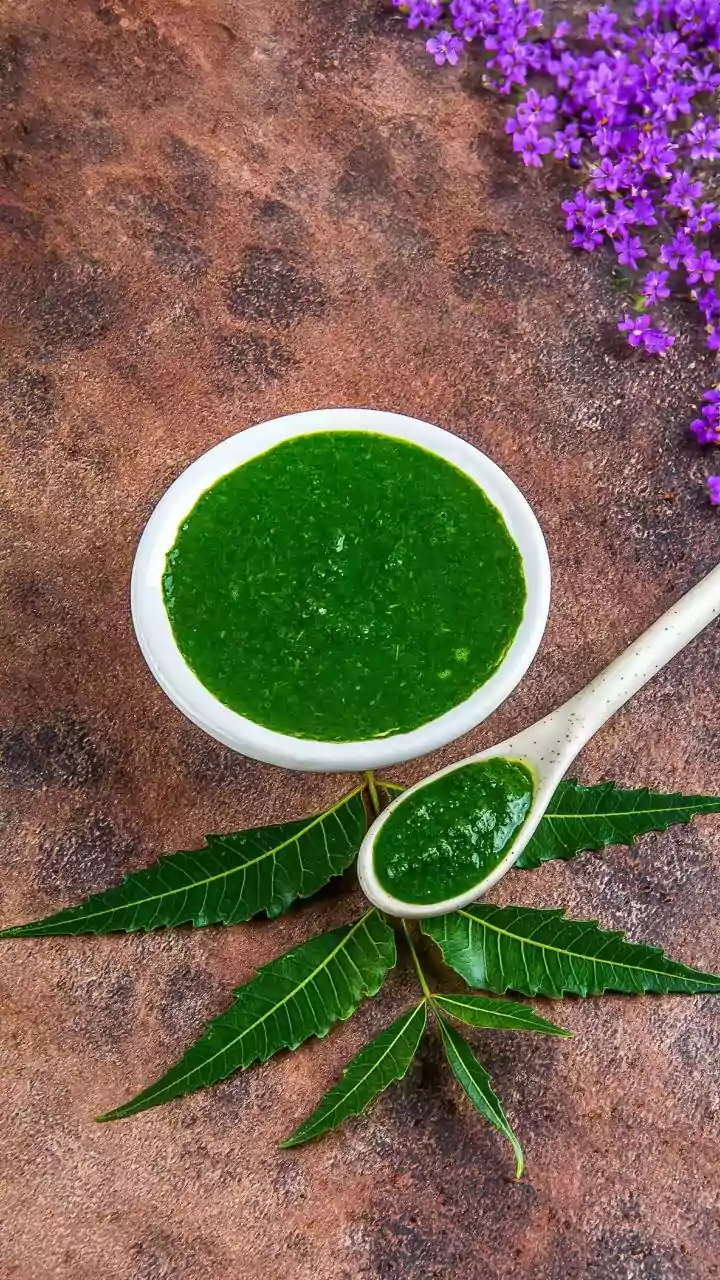
The damp, warm conditions of the monsoon are a breeding ground for pests. [8] Fungus gnats thrive in soggy soil, while mealybugs, aphids, and spider mites multiply in humid environments. [2, 9, 15] Inspect your plants regularly, paying close attention to the undersides of leaves and the joints of stems. [8] If you spot any pests, act quickly. A simple spray of diluted neem oil is an excellent organic solution that works as both a pesticide and a fungicide. [3, 5] For fungus gnats, letting the top layer of soil dry out is often the most effective deterrent. [2] To prevent fungal growth in the soil, you can sprinkle a small amount of cinnamon powder on the surface.
To Fertilise or Not to Fertilise
Most indoor plants slow down their growth during the monsoon due to reduced light. [2] This is not the time for active growth, so they don't require much, if any, fertiliser. Feeding your plants now can lead to fertiliser burn, as the roots can't process the nutrients effectively in saturated soil. [4] It's best to pause your fertilising routine. If you feel a plant absolutely needs a boost, use a very diluted organic liquid fertiliser, like compost tea or seaweed extract, and apply it only when there's a dry spell. [7, 13] As a general rule, stop feeding in the monsoon and resume when the weather clears and you see signs of new growth.
Pruning and Housekeeping
Monsoon is an excellent time for pruning and general upkeep. Regularly trim any yellowing, dead, or decaying leaves and stems. [5, 6] This not only makes your plant look better but also prevents the spread of disease and improves air circulation. [6] It also redirects the plant's energy towards healthy growth. This is also a fantastic season for propagation. The high humidity helps cuttings root more successfully. So, if you've been wanting to multiply your collection, now is the time to take those cuttings from plants like pothos, philodendrons, and snake plants.