

From Lattes to Lal Maas
Delhi's vibrant café culture, long dominated by cappuccinos, avocado toast, and banana bread, is witnessing a delicious shift. As the rains arrive, a growing number of these trendy establishments are swapping out their usual summer salads for menus that
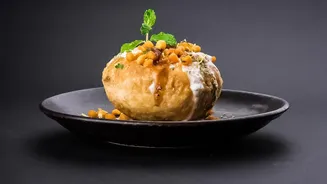
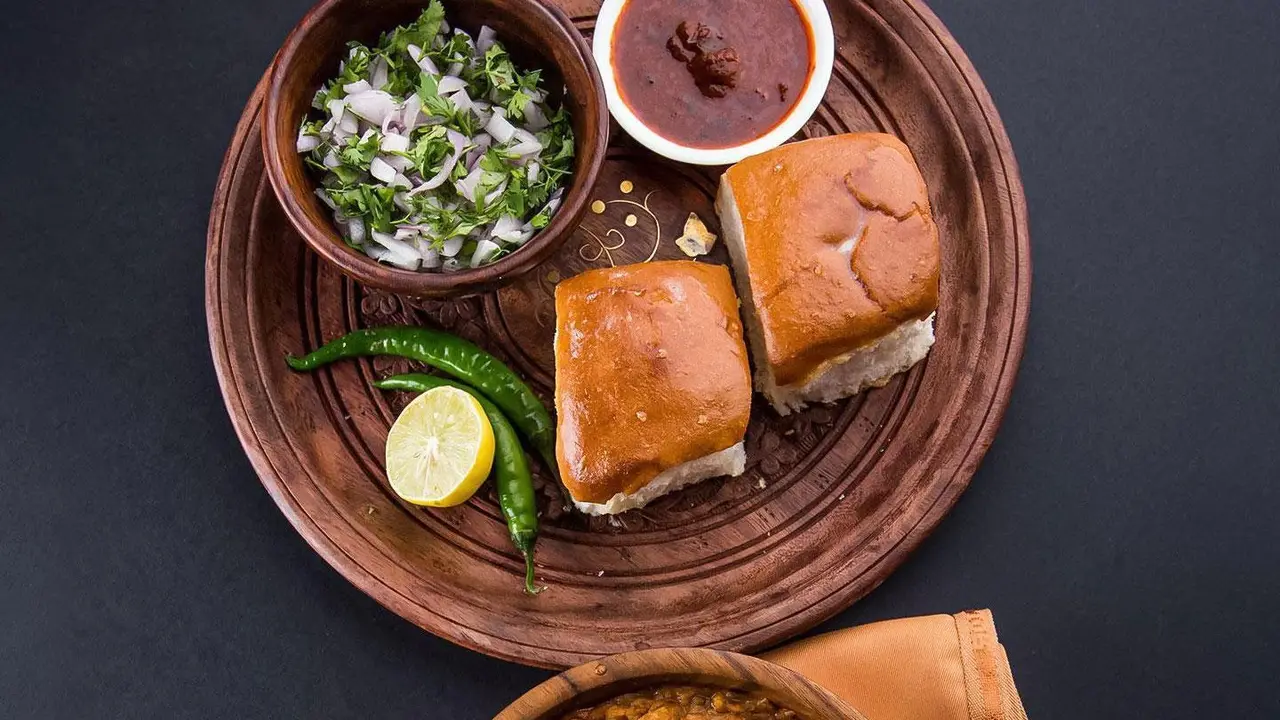
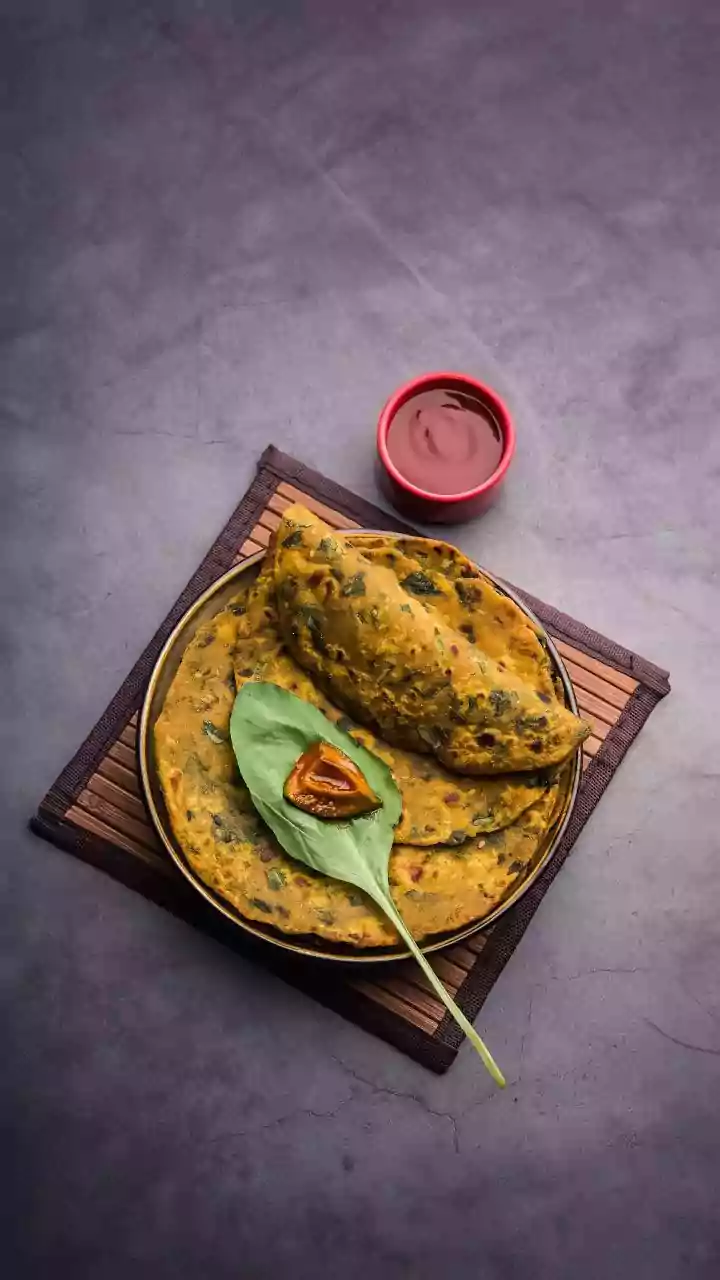
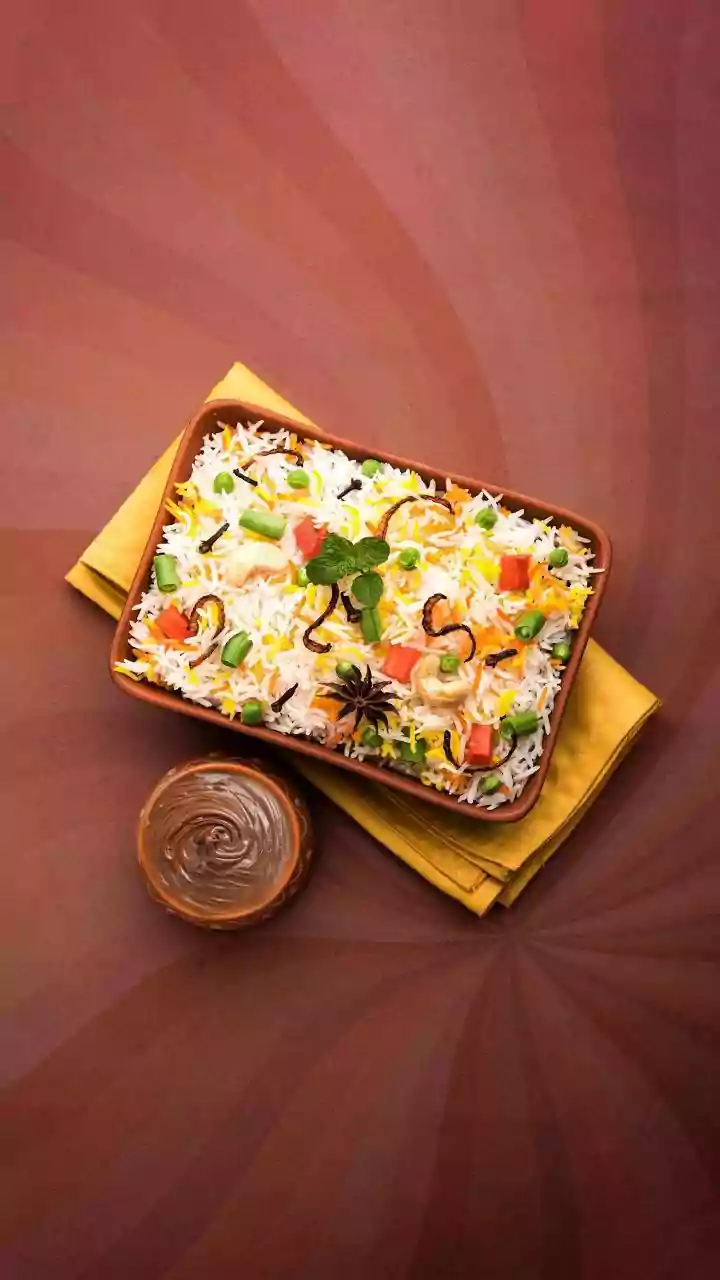
celebrate India’s rich tradition of monsoon comfort food. Suddenly, chalkboards advertising cold brews are also listing masala chai, and the aroma of roasted coffee now mingles with the scent of freshly fried samosas. Establishments that built their reputations on European-inspired aesthetics and menus are now tapping into a deeply local sentiment. Eateries like Triveni Terrace Café have long been cherished for their simple, homestyle Indian snacks that pair perfectly with the rainy weather, serving favourites like palak patta chaat and bun tikki. This trend sees that ethos expanding into the city’s more modern cafes, creating a unique blend of global café ambiance and hyper-local culinary tradition.
A Craving for Nostalgia
So, what's driving this change? The answer is simple: nostalgia. For most Indians, the monsoon is inextricably linked to food memories. The sound of rain is a powerful trigger, evoking recollections of childhood, family gatherings, and the specific joy of eating a hot, crispy snack while watching the downpour. Dishes like pakoras, bhutta (roasted corn on the cob), and masala chai are more than just food; they are sensory experiences loaded with emotion. This turn towards traditional foods is a form of nostalgia marketing, a strategy that connects with consumers on an emotional level by invoking the comfort and authenticity of 'ghar ka khana' or home-cooked food. In a fast-paced, globalised world, these familiar flavours offer a sense of grounding and belonging, a taste of home in the chic, modern setting of a café.
The Elevated Monsoon Menu
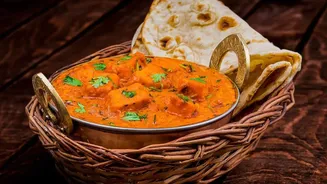
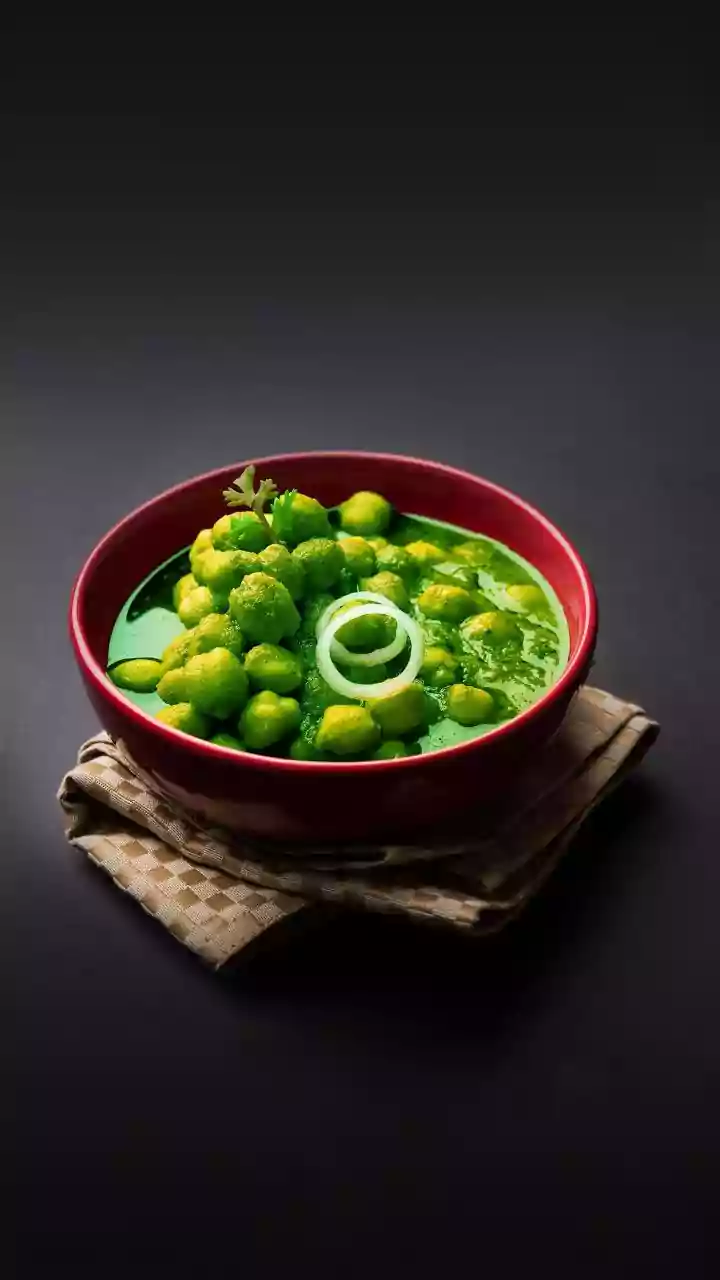
But cafes aren't just putting street food on a fancier plate. They are reinterpreting and elevating these classics. The pakoras might be made with unconventional vegetables or served with an artisanal chutney. The humble khichdi, a quintessential comfort meal, might be reimagined with premium ingredients and a gourmet twist. For instance, some restaurants are creating special monsoon menus that feature inventive dishes like wild mushroom and truffle kulcha or spinach and feta strudel, offering a refined take on cozy indulgence. This approach serves two purposes: it satisfies the craving for familiar comfort while also catering to a modern palate that values quality, hygiene, and innovative presentation. It bridges the gap between the rustic charm of street food and the standards of a contemporary dining experience, a concept that has proven successful for brands looking to modernize traditional Indian cuisine.
The Business of Belonging
From a business perspective, embracing traditional monsoon fare is a shrewd move. It allows cafes to create seasonal, limited-time offerings that generate buzz and attract customers. It also helps them differentiate themselves in a crowded market. While any café can serve a passable flat white, one that can perfectly replicate the nostalgic magic of monsoon snacks offers a unique and culturally resonant experience. This strategy taps into powerful consumer behaviour patterns, particularly the tendency to seek out mood-lifting foods and comforting 'me-time' moments during the monsoon season. By offering a menu that feels both special and deeply familiar, cafes are not just selling food; they are selling an emotion, a feeling of comfort, and a sense of belonging.