



The Blueprint of Tradition
Not long ago, Diwali preparations were a multi-week affair, a marathon of culinary dedication. The shopping list was raw and elemental: sacks of flour, tins of ghee, various lentils, and unprocessed nuts. Grandmothers and mothers would lead the charge,
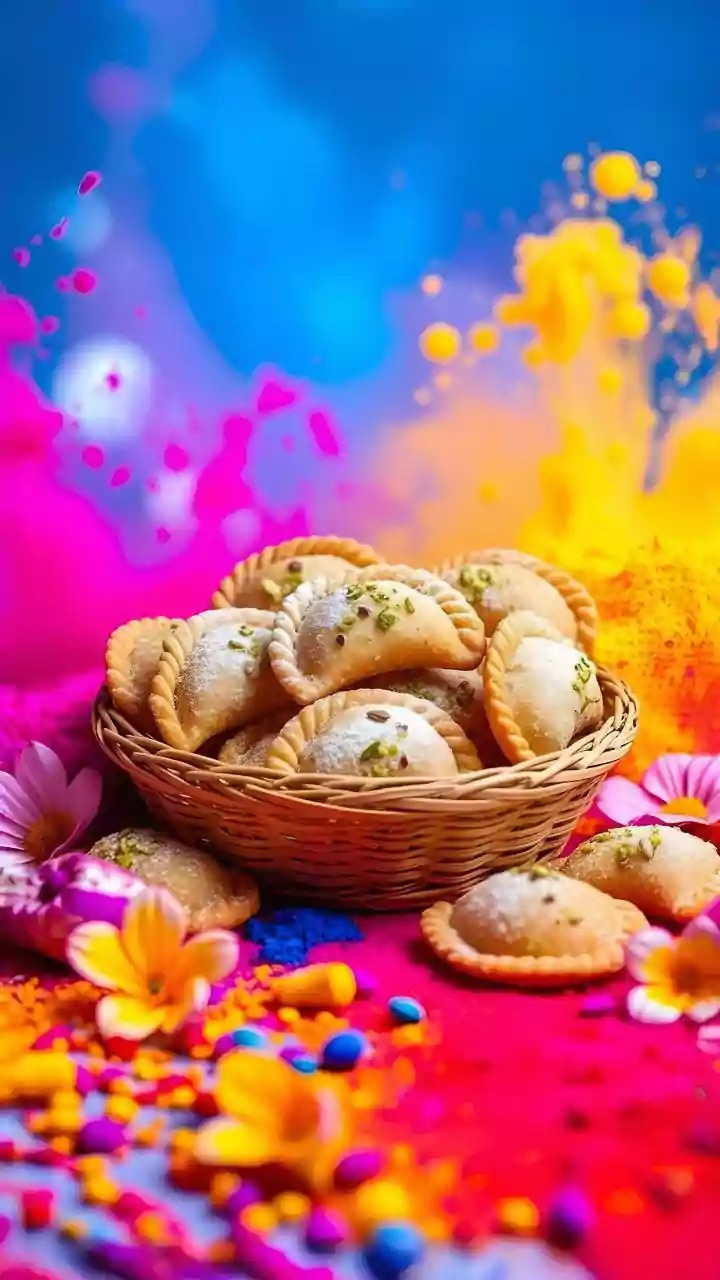
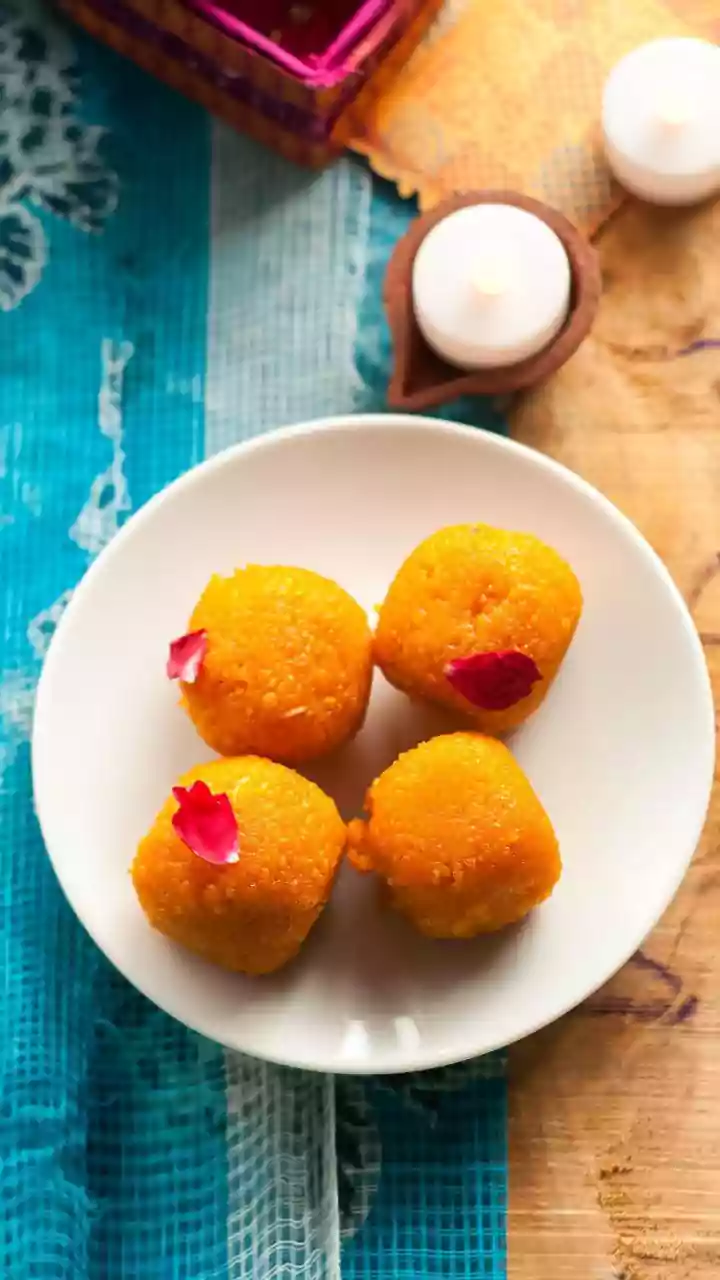
transforming these basic ingredients into an elaborate array of sweets and savouries. Making everything from scratch wasn't just a task; it was a ritual. The rhythmic sound of grinding spices, the slow roasting of besan for laddoos, and the communal folding of gujiyas were central to the festive spirit. These activities bonded generations, passing down recipes not on paper, but through practice and shared moments in a bustling kitchen.
The Modern Pantry: A Blend of Old and New
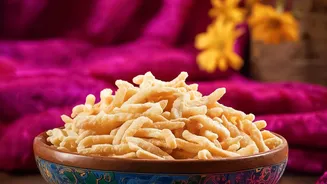
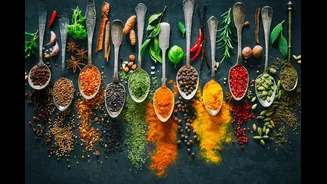
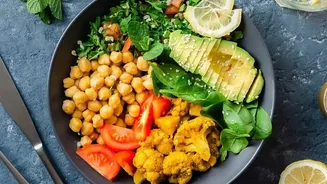
Today's Diwali shopping cart tells a different story. While staples like rice, ghee, and spices remain, they now share space with a new class of products designed for convenience. Instant sweet mixes for gulab jamun or jalebi, ready-to-fry snack pellets, and gourmet spice blends have become common. This shift doesn't signify a loss of tradition, but rather a re-prioritisation of time. Families still crave the taste of homemade food, but they are increasingly willing to accept a little help. The modern host aims for a smart balance, choosing to make a few signature dishes from scratch while supplementing the feast with high-quality store-bought items. Health consciousness also plays a role, with more shoppers seeking out organic ingredients, healthier snack options like roasted makhana, and sugar alternatives like jaggery.
The Rise of the Instant Grocery List
Perhaps the biggest change has been the explosion of e-commerce, particularly quick-commerce platforms. Apps like Blinkit, Zepto, and Swiggy Instamart have fundamentally altered last-minute festive shopping. Forgetting a crucial ingredient like cardamom or running out of sugar midway through a recipe is no longer a crisis. A few taps on a smartphone can have it delivered to your doorstep in minutes. This digital shift has seen online grocery orders spike dramatically during the festive season, with growth increasingly coming from beyond major metro cities. These platforms aren't just for emergencies; they are used for planned purchases of everything from diyas and flowers to speciality food items and gift boxes, making Diwali prep more efficient than ever.
To Make or to Buy? The Great Mithai Debate
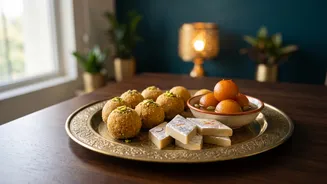
The heart of the 'make versus buy' debate lies with the sweets. While many still cherish making family specialities like besan ladoo or kaju katli, the sheer variety and quality of store-bought mithai are tempting. Local sweet shops and premium brands now offer everything from timeless classics to modern fusion sweets like pistachio rose truffles or mango kulfi cheesecakes. Gifting has also moved in this direction. Instead of homemade platters, many now opt for beautifully packaged boxes of assorted sweets or dry fruits. This change reflects a modern reality: hosting is about spending quality time with guests, and if outsourcing the sweets frees up a host to be more present, it's a trade-off many are willing to make.