
Art Beyond the Gallery Walls
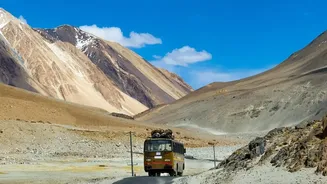
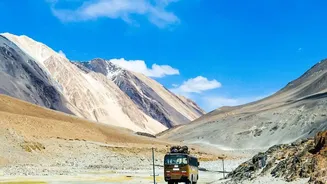
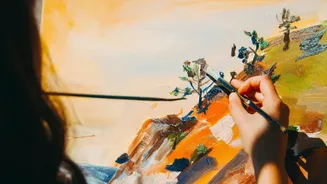
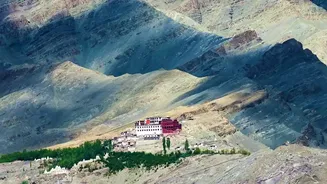
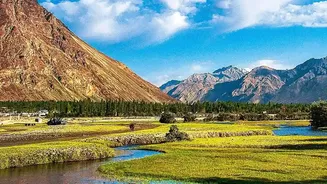
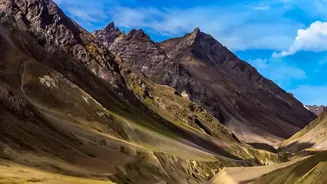
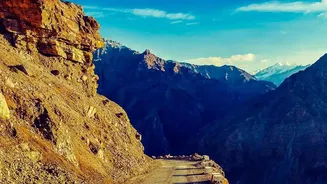
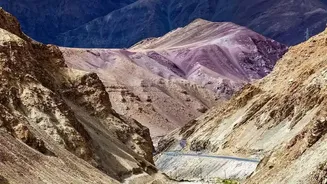
Forget everything you know about stuffy museums. In Ladakh, the gallery is the landscape. The newly inaugurated sā Ladakh Biennale is an ambitious art trail stretching over 200 kilometres along the historic Leh-Kargil route. Instead of white walls, installations
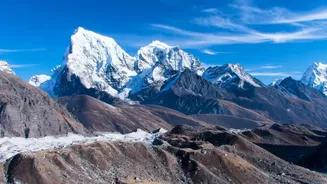
are framed by dramatic mountain passes, remote villages, and ancient trade routes. The event, which runs from August 1 to 10, 2026, is being called the world's highest regenerative art biennale, with works situated at altitudes above 3,000 metres. The name 'sā' itself is the Ladakhi word for 'soil', reflecting the project's deep connection to the earth. The idea isn't to place art in the landscape, but to create art that emerges from it.
A Journey Through Eight Unique Sites
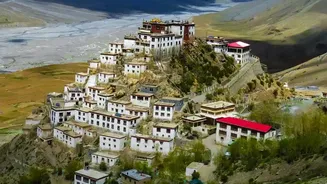
The biennale isn't a single destination but a journey through eight distinct locations: Leh, Basgo, Likir, Nurla, Lamayuru, Heniskot, Mulbekh, and Kargil. This design encourages visitors to travel more slowly and thoughtfully, moving beyond the usual tourist hotspots. Each site features unique, site-specific works by a mix of Ladakhi and international artists who engage with local histories, folklore, and the fragile Himalayan environment. For example, in Nurla Valley, a pedestrian bridge has been transformed into a musical instrument with bells that ring as people cross. In Likir, an Australian ceramic artist has collaborated with a local pottery family to create living clay vessels embedded with seeds. These installations ensure that the journey between artworks is as much a part of the experience as the art itself.
More Than Just Art: A Regenerative Vision
The creators of the sā Ladakh Biennale are clear that their mission is not just aesthetic. The event is built around a philosophy of being 'regenerative' rather than merely sustainable. This means a deep commitment to ecological responsibility and community partnership. Artists use locally sourced, biodegradable, and recycled materials, creating works that are in conversation with the environment, not in opposition to it. The theme for the 2026 edition is "Signals from Another Star," exploring how art can respond to pressing questions about land, climate, and indigenous knowledge. This approach makes the biennale a platform for dialogue about the environmental challenges facing this delicate high-altitude desert, from melting glaciers to the pressures of tourism.
Redefining the Ladakh Experience
For travelers, this art trail offers a completely new way to understand Ladakh. It shifts the focus from a checklist of scenic landmarks to a more immersive cultural pilgrimage. The journey encourages interaction with local communities and provides a deeper context for the region's history and contemporary life. By spreading installations across a wide area, the project also helps decentralize tourism, guiding visitors to lesser-known villages and cultural sites. It’s a model of tourism that aims to enrich rather than endanger the local environment and culture. Organizers have made the event non-commercial and free to attend, with no grand ceremonies, asking only that visitors acclimatise properly and approach the trail with a sense of discovery.