

Understanding Iron: Your Body’s Energy Source
Iron is an essential mineral that plays a vital role in your overall health. Its most famous job is helping to produce hemoglobin, a protein in red blood cells that carries oxygen from your lungs to the rest of your body. Without enough iron, this process
becomes less efficient, which can lead to fatigue, weakness, and a condition known as iron deficiency anemia—one of the most common nutritional deficiencies worldwide. Iron is also critical for growth, development, and normal cell function, making it a cornerstone of a healthy diet.
Heme vs. Non-Heme: Not All Iron Is Equal
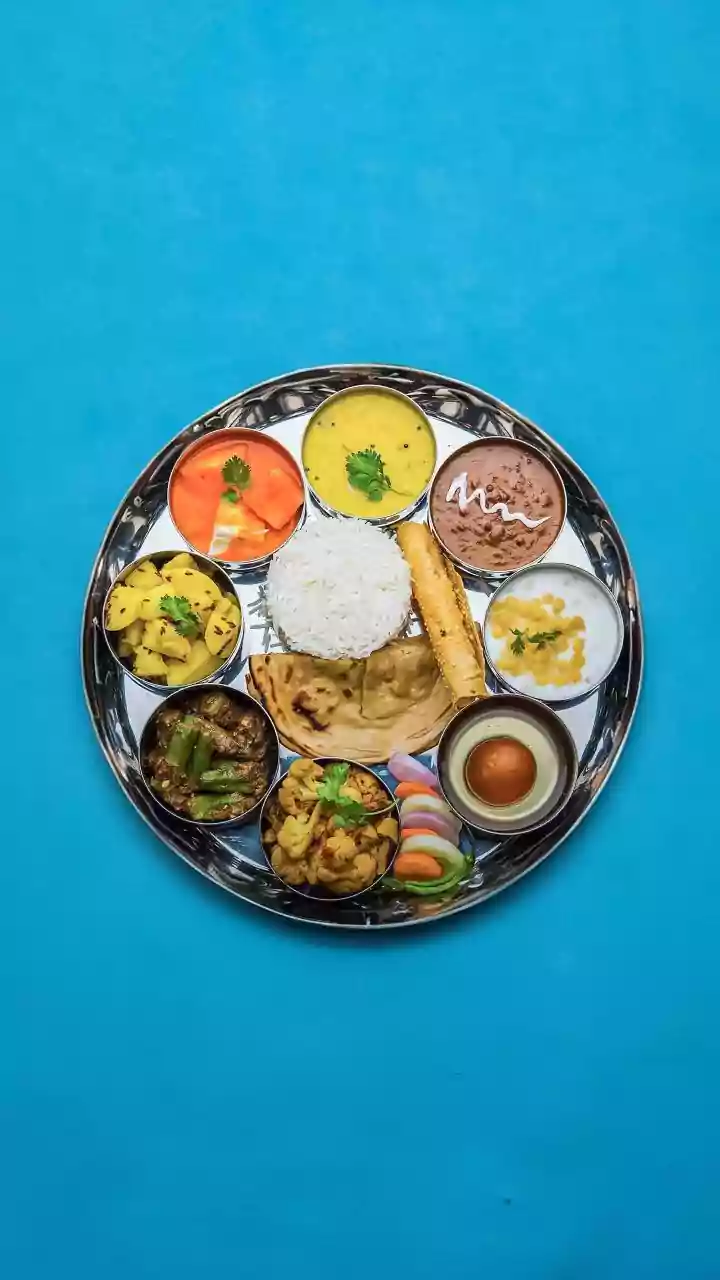
When we talk about dietary iron, it’s important to know it comes in two forms: heme and non-heme. Heme iron is found in animal products like meat, poultry, and fish. Your body absorbs this type quite easily, with an absorption rate of about 15-35%. On the other hand, non-heme iron comes from plant-based sources like beans, lentils, spinach, nuts, and fortified foods. While still valuable, non-heme iron is absorbed less efficiently, at a rate of only 2-20%. This is where dietary strategy becomes incredibly important, especially for vegetarians, vegans, or anyone relying heavily on plant-based foods.
Vitamin C: The Key to Unlocking Non-Heme Iron
This is where vitamin C, or ascorbic acid, works its magic. Vitamin C is a powerful enhancer of non-heme iron absorption. It works in a couple of ways. First, it helps convert non-heme iron from its ferric (Fe3+) form into the ferrous (Fe2+) form, which is much more soluble and easier for your intestines to absorb. Second, it forms a stable compound with the iron, keeping it available for absorption and preventing it from binding with other dietary inhibitors. In simple terms, eating vitamin C with your plant-based iron sources acts like a key, unlocking the iron and making it more available to your body.
Power Pairings for Your Plate
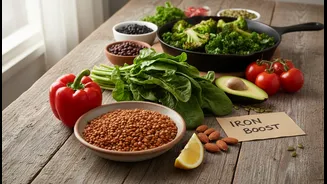
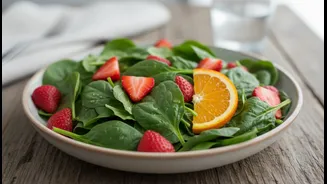
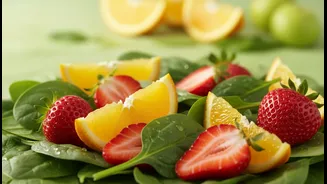
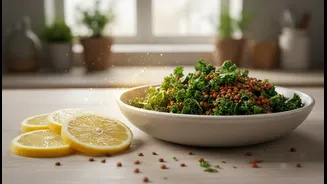
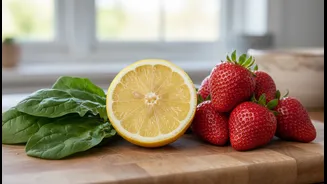
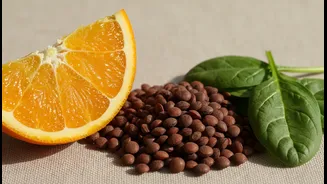
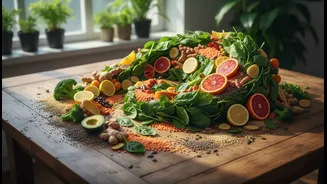
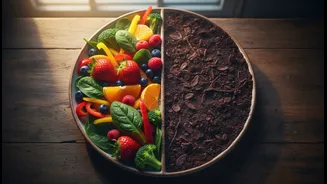
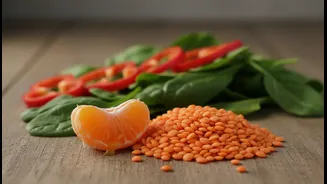
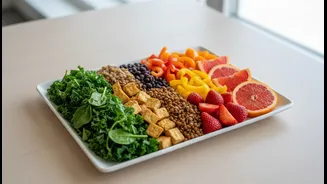
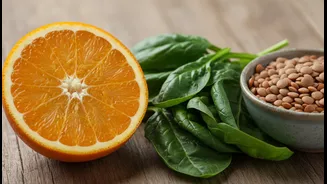
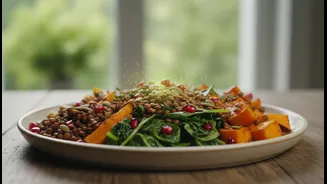
Putting this science into practice is simple and delicious. The goal is to combine a food rich in non-heme iron with a food high in vitamin C in the same meal. The effect is directly related to how much vitamin C is present—the more you include, the better the absorption. Here are some easy and effective pairings to try: - Spinach Salad with a Twist: Top a bed of iron-rich spinach with sliced strawberries or a lemon-based vinaigrette. - Hearty Lentil Soup: Add tomatoes or bell peppers to your lentil soup. The vitamin C in the vegetables will boost the iron from the lentils. - Fortified Breakfast Cereal: Enjoy your iron-fortified cereal with a glass of orange juice or top it with kiwi or berries. - Bean Burritos or Tacos: Mix beans with salsa (tomatoes) and bell peppers for a classic combination that enhances iron uptake. - Hummus and Veggies: Pair iron-rich chickpeas (in the form of hummus) with sliced red bell peppers for dipping.
Beyond Citrus: More Vitamin C Superstars
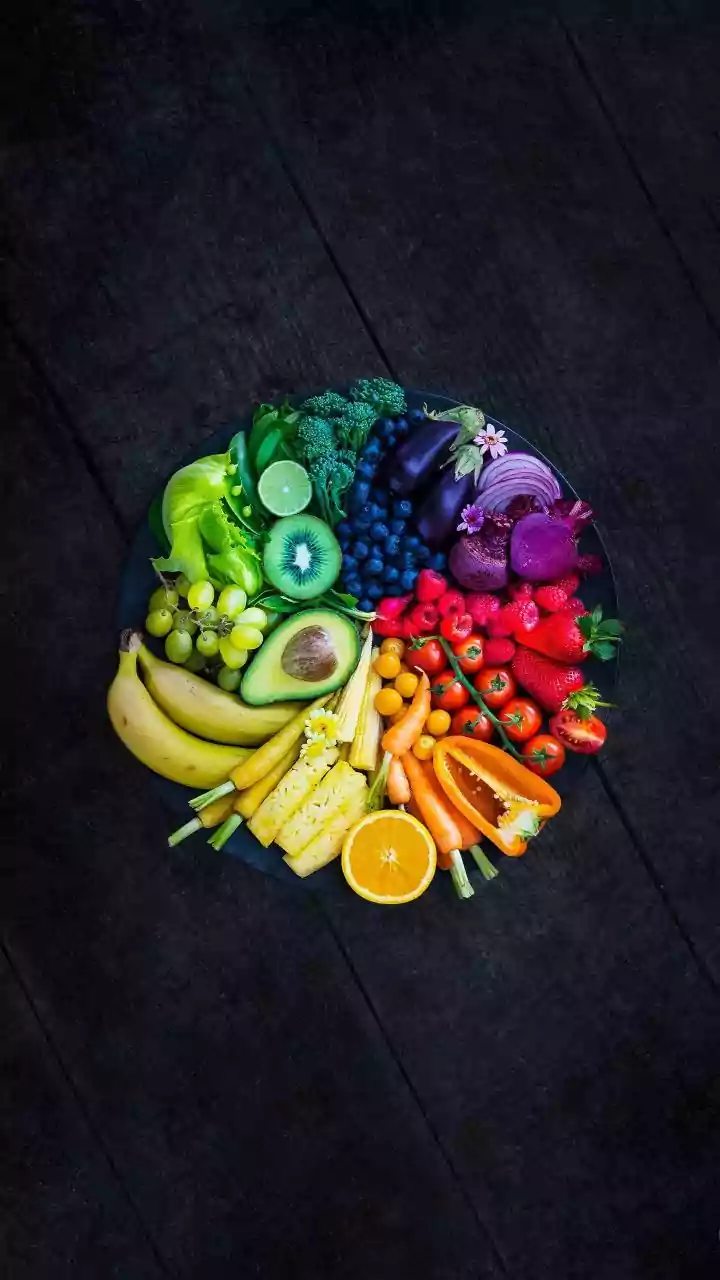
While citrus fruits like oranges and grapefruit are famous for their vitamin C content, many other foods are also excellent sources. Expanding your options can make meals more interesting and just as effective. Great sources of vitamin C include: - Bell Peppers: Red, yellow, and green varieties are packed with vitamin C. - Dark Leafy Greens: Kale, broccoli, and Brussels sprouts are sources of both iron and vitamin C. - Berries: Strawberries, in particular, are a fantastic source. - Tropical Fruits: Kiwi, papaya, and cantaloupe are also loaded with this essential vitamin. By incorporating a variety of these foods, you can ensure you're consistently creating iron-friendly meals.
What Can Hinder Iron Absorption?
Just as some foods help, others can hinder non-heme iron absorption. Compounds called phytates, found in whole grains and legumes, and polyphenols (like tannins) in tea and coffee, can bind to iron and reduce its availability. Calcium can also interfere with the absorption of both heme and non-heme iron. This doesn't mean you should avoid these healthy foods. Instead, try to consume your tea, coffee, or calcium-rich foods like milk and yogurt a couple of hours before or after your main iron-rich meal to maximize absorption.