









The Screen-Free First Hour
The habit is simple: for the first hour of your day, do not look at a screen. No phone, no tablet, no laptop, no television. The goal is to give your brain a chance to wake up gradually, without the immediate influx of notifications, emails, and social
media updates that jolt you into a reactive state. When you wake up, your brain is transitioning from a relaxed, creative state to one of alertness. Checking your phone immediately disrupts this natural process, flooding your mind with external demands and triggering a stress response before you’ve even had a sip of coffee.
Reclaim Your Focus and Reduce Anxiety
Starting your day with a barrage of information fragments your attention and primes your brain for distraction. By keeping that first hour sacred, you protect your cognitive resources for the tasks that actually matter. Instead of reacting to other people's agendas in your inbox, you can proactively set your own intentions for the day. Research and experts note that avoiding morning screen time is linked to lower stress and anxiety levels. You sidestep the negative news cycles, the social comparison on Instagram, and the mental load of a crowded inbox, allowing for a calmer, more centred start to your day.
How to Make the Habit Stick
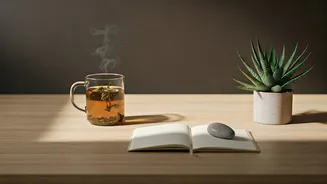
Breaking a powerful habit requires a strategy. The first step for many is to stop using your phone as an alarm clock. Buy a simple, old-school alarm clock and charge your phone in another room overnight. This 'out of sight, out of mind' approach creates just enough friction to make you pause before automatically reaching for your device. Prepare for your screen-free hour the night before. Lay out a book, a journal, or your workout clothes. Have your coffee or tea station ready to go. When you remove the decision-making from the morning, you make it easier to follow through.
What to Do With Your Newfound Hour
So, what do you do with 60 minutes of screen-free time? The possibilities are both simple and restorative. Rehydrate with a glass of water. Do some light stretching or go for a brisk walk outside; exposure to morning sunlight helps regulate your body’s internal clock. Try journaling or planning your day with pen and paper, which can bring a sense of clarity and purpose. Other popular options include meditating for a few minutes, reading a physical book or newspaper, or simply sitting and enjoying a quiet breakfast without distraction. The key is to choose an activity that feels grounding and enjoyable, not like another chore on your to-do list.