




The Unseen Hero: Grip and Traction
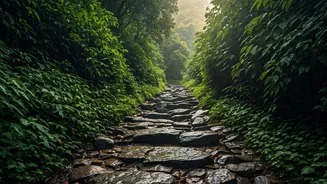
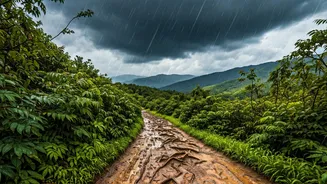
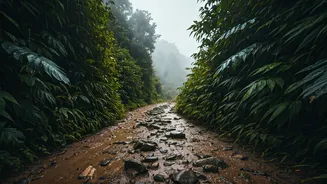
The primary reason proper footwear is non-negotiable on slippery trails is traction. Think of your shoe's outsole—the part that meets the ground—like the tyres on a car. On a wet, muddy, or moss-covered surface, you need a tread that can bite into the ground and
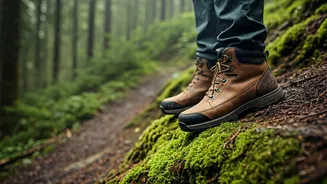
prevent you from sliding. Hiking shoes are specifically engineered for this. They feature deep, aggressive patterns called 'lugs' that dig into soft ground like mud and provide a stable grip. The rubber compound of the sole also plays a crucial role. Softer rubber offers better traction, especially on wet rock, but may wear down faster. Harder rubber is more durable but can be less grippy in the wet. For the variable terrains found in India, from the rocky Western Ghats during monsoon to the loose scree of the Himalayas, a shoe with deep, multi-directional lugs made from a specialised rubber compound is essential to prevent slips and falls.
Beyond the Slip: The Case for Ankle Support
Slippery trails are, by nature, uneven and unpredictable. A misstep on a hidden root or a wobbly rock can easily lead to a twisted ankle, potentially ending your trek instantly. This is where ankle support becomes vital. High-cut or even mid-cut hiking boots are designed to brace the ankle joint, restricting excessive side-to-side motion that causes sprains. This stability is especially important when carrying a backpack, which raises your centre of gravity and makes you less stable. While some experienced hikers prefer the lightness of trail runners, for beginners or those on particularly rugged and unpredictable terrain, the structural support of a boot offers invaluable protection and confidence. It helps keep your foot and leg in proper alignment, reducing fatigue over a long day of hiking.
Wet Feet, Defeated Spirit: Waterproofing and Breathability
Nothing saps morale on a trek faster than wet feet. Soggy socks and damp shoes are not just uncomfortable; they can lead to painful blisters, chafing, and even fungal infections. On slippery trails, which are often wet by definition, waterproof footwear is a game-changer. Many modern hiking shoes feature a waterproof yet breathable membrane, like Gore-Tex, which blocks external moisture from rain and puddles while allowing sweat to escape. This keeps your feet dry from both the inside and out. A 'gusseted tongue'—one that is attached to the upper along the sides—also helps prevent water and debris from entering the shoe. Staying dry is critical for comfort, preventing injury, and ensuring you can focus on the trail ahead instead of the squelch in your shoes.
The Final Piece: Why a Good Fit is Everything
Even the most technologically advanced shoe will fail if it doesn't fit correctly. An ill-fitting shoe can be a source of constant misery, causing everything from blisters and lost toenails to more severe nerve damage or tendinitis. When buying trekking shoes, it's crucial to ensure a snug fit around the heel and midfoot to prevent your foot from sliding, while leaving enough room in the toe box for your toes to splay naturally, especially on descents. Remember that feet swell during long walks, so trying on shoes later in the day with the type of socks you'll be hiking in is a good practice. A poorly fitting boot, no matter how supportive it claims to be, can actually make you less stable. The right fit ensures that all the shoe's features—the grip, support, and waterproofing—can work together effectively to protect you.