







The Creeping Costs in Your Cart
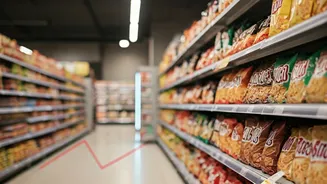
From the morning biscuits and tea to evening snacks and instant noodles, the cost of packaged consumer goods is steadily climbing. This isn't a sudden shock but a gradual increase that adds up. Government data confirms this trend, with retail inflation
rising to 3.93% in May, largely driven by an increase in food prices. The Consumer Food Price Index (CFPI) climbed even higher, hitting 4.78% in the same month. This indicates that the food basket, including many processed and packaged items, is becoming more expensive for the average family. Companies across the Fast-Moving Consumer Goods (FMCG) sector have been signaling these changes, preparing for a period of sustained cost pressure.
The Global and Local Drivers
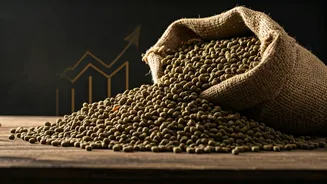
A complex mix of global and domestic factors is behind these price hikes. A primary driver is the rising cost of key raw materials. Geopolitical tensions in West Asia have pushed up crude oil prices. This has a domino effect, increasing the cost of not just transportation and logistics but also petroleum-based packaging materials like plastics and laminates, which are essential for packaged goods. Beyond oil, the prices of agricultural commodities like wheat, edible oils, and sugar have also been volatile, directly impacting the input costs for food manufacturers. These pressures mean companies are paying more to produce and package the goods you buy every day.
How Companies Are Responding
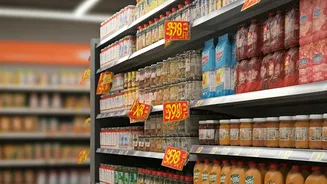
FMCG companies are navigating a difficult balancing act. To cope with rising costs, many have been implementing selective price increases of anywhere from 3% to 10% across their product ranges. This is happening in categories like biscuits, personal care products, and beverages. However, raising prices directly can risk alienating customers. As a result, another strategy is becoming more common: "shrinkflation." This is where the price of a product remains the same, but the quantity inside the package is reduced. Companies are also focusing on smaller, low-priced packs (like those costing ₹5 or ₹10) to keep products accessible and maintain sales volumes, even as they are forced to pass on some of the cost burden to consumers.
The Consumer Reaction
Indian households are adapting to this new reality. As budgets get tighter, consumers are becoming more discerning with their purchases. Industry leaders have noted that families are reconsidering pack sizes, how often they buy certain products, and their overall category priorities. There is a noticeable shift towards smaller pack sizes as people try to manage their monthly expenses more effectively. Instead of buying a one-litre bottle of edible oil, for instance, a family might opt for a 200 ml pack more frequently to spread out the cost. This trend is visible in both rural and urban markets, signaling a widespread adjustment in spending habits.
What to Expect Next
The outlook for the coming months remains uncertain. The performance of the monsoon is a critical factor to watch. A rainfall deficit, as seen in June 2026, could put further pressure on agricultural output and food prices. Experts project that food inflation could average around 6% in the current fiscal year if monsoon performance is poor. While some input costs have shown signs of easing in the very recent term, FMCG companies remain cautious, stating they will continue to monitor the situation before making further pricing decisions. For consumers, this means that vigilance will be crucial for the foreseeable future.