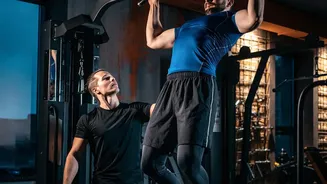








A New Definition of Strong
There's a significant shift happening in Indian gyms. For years, strength training was often seen as the exclusive domain of bodybuilders chasing aesthetics. Today, a growing number of fitness enthusiasts are redefining what it means to be strong. The focus
is moving away from the mirror and towards real-world capability. This new approach, known as functional fitness, centres on training the body for activities performed in daily life. It’s about having the energy for a long workday, the power to carry groceries up several flights of stairs, the stability to lift a child without back pain, and the endurance to play a game of cricket with friends. This is strength that serves you well beyond the gym walls.
The Mobility Mission
A crucial part of this new fitness philosophy is the emphasis on mobility. While often confused with flexibility, mobility is about the ability to move a joint actively through its full range of motion. For a population increasingly dealing with sedentary desk jobs, mobility training is becoming essential to combat stiffness, poor posture, and the risk of injury. Trainers and physiotherapists are highlighting how well-executed strength exercises—like squats, lunges, and overhead presses—actually improve joint health, balance, and coordination. This focus on movement quality not only prevents injuries in the gym but also helps maintain an active and independent lifestyle as people age.
Why the Shift Is Happening Now
Several factors are driving this evolution in India's fitness culture. The post-pandemic era has brought a heightened awareness of long-term health and resilience. People are thinking more about their 'healthspan'—the number of years they live in good health—not just their lifespan. Furthermore, a new generation of Indian fitness influencers and knowledgeable trainers are busting myths, particularly the outdated idea that lifting weights makes women 'bulky'. Instead, they are promoting a more holistic and evidence-based approach to wellness that integrates strength, nutrition, and mental well-being. The conversation has matured from quick-fix weight loss to building sustainable, healthy habits for life.
Building a Body for the Future
Perhaps the most powerful driver of this trend is the focus on longevity. Strength training is one of the most effective ways to combat sarcopenia, the natural age-related loss of muscle mass and strength. By building and maintaining muscle, individuals can protect their bones from osteoporosis, boost their metabolism, and significantly lower their risk of falls and fractures in their later years. This forward-thinking approach views every workout as an investment in a stronger, more capable future self. The goal is no longer just to look good today, but to remain functional, independent, and vibrant for decades to come, a sentiment increasingly shared by gym-goers across all age groups, including those over 50.