

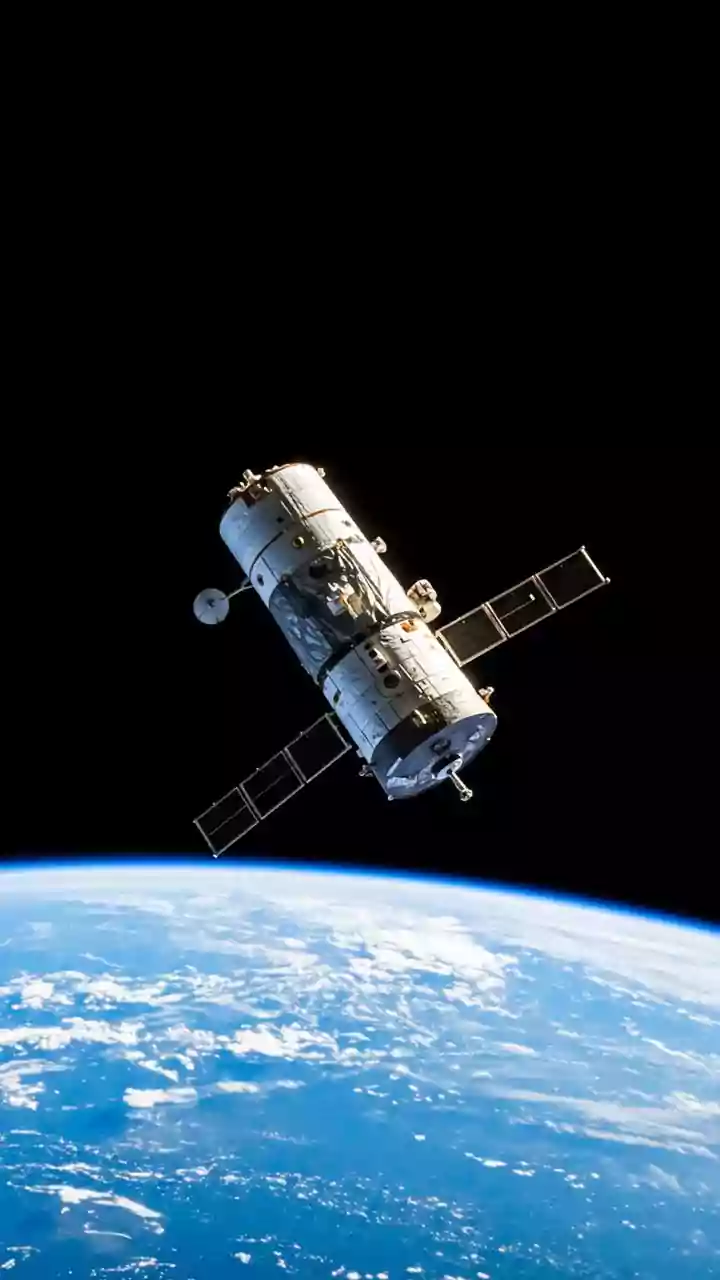

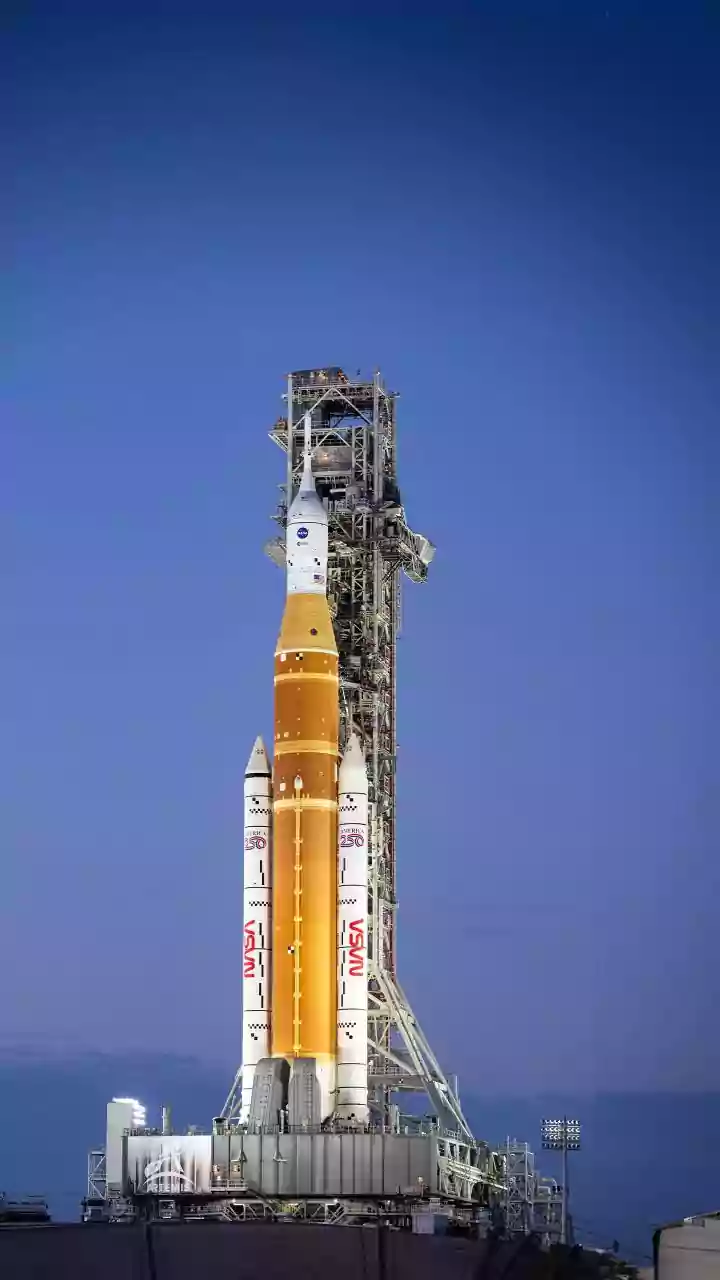

The ambitious plan to return humans to the Moon has a new, crucial chapter. NASA has officially redesigned its Artemis III mission, shifting its focus from a lunar landing to a vital series of tests in low-Earth orbit, now targeted for 2027.
A Major Shift in Strategy
Originally
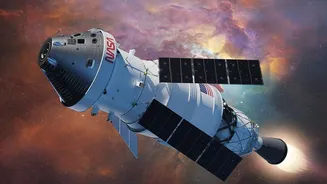
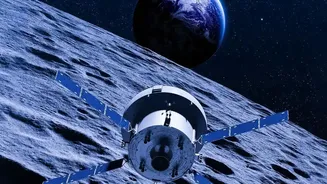
slated to be the historic mission that would land the first woman and first person of colour on the Moon, Artemis III's primary goal has been redefined. Instead of heading to the lunar surface, its four-person crew will execute a complex dress rehearsal closer to home. This change, announced by NASA officials, turns Artemis III into a critical risk-reduction flight. The mission will now focus on testing the hardware and procedures necessary for an eventual lunar landing, which has been pushed to the Artemis IV mission in 2028. The crewed, approximately two-week flight will launch aboard the Space Launch System (SLS) rocket in an Orion capsule and remain in low-Earth orbit to practice rendezvous and docking—key manoeuvres for any deep space expedition.
The Complicated Dance of Docking
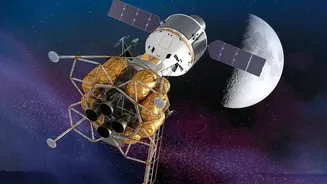
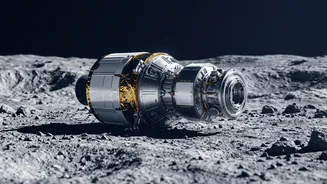
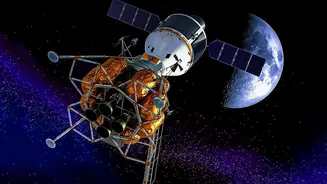
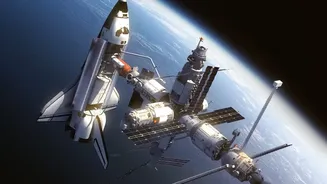
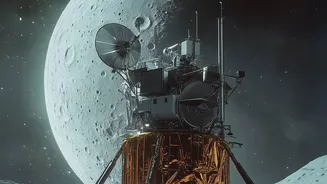
The centerpiece of the new Artemis III mission is a multi-part orbital ballet involving three different spacecraft from three separate launches. First, an uncrewed test version of Blue Origin's 'Blue Moon' lander will launch into orbit. Following that, the Artemis III crew will launch in their Orion capsule. On the third day of the mission, Orion will rendezvous and dock with the Blue Moon vehicle. Two astronauts will enter the lander to test its life support systems, avionics, and controls over two days. Afterwards, a test version of SpaceX's Starship Human Landing System (HLS) will launch. The Orion will then undock from Blue Moon and link up with the Starship for a shorter, two-hour test to check compatibility and control dynamics. The crew will not enter the Starship, as this version will not be fully equipped with life support.
Why Practice in Earth's Backyard?
Conducting these complex tests in low-Earth orbit (LEO) is a deliberate and pragmatic choice driven by safety. If any issues arise during these first-ever link-ups between Orion and the commercial landers, the crew is much closer to home. This 'crawl-walk-run' approach allows NASA and its commercial partners to gain real-world experience with the hardware in a more controlled environment. It's a nod to the Apollo 9 mission, which famously tested the lunar module in Earth orbit before it was trusted to fly to the Moon. By validating the docking systems, crew transfer procedures, and combined flight controls in LEO, NASA aims to significantly reduce the risks before attempting a crewed lunar landing mission far from Earth.
Reading Between the Timelines
The shift of the lunar landing from Artemis III to Artemis IV, and the new 2027 date, reflects the immense technical challenges facing the program. Government Accountability Office (GAO) reports had previously warned that the original 2025 landing timeline was highly ambitious due to delays in developing the landing systems and new spacesuits. Both SpaceX's Starship, which requires in_orbit refuelling, and Blue Origin's Blue Moon lander are complex, next_generation vehicles that need extensive testing. NASA's decision to insert this orbital test mission acknowledges these realities, giving its partners more time to mature their systems. While it may seem like a delay, officials frame it as an acceleration of the testing cadence to ensure a safe and successful landing in 2028.
Paving the Way for a Moon Return
Ultimately, the redesigned Artemis III mission is now a crucial stepping stone, not a final destination. The data gathered from docking with two different lander designs will be invaluable. It will serve as a 'tiebreaker' to inform which provider is best prepared for the Artemis IV landing. The mission is designed to build confidence in the systems and operational teams before they face the unforgiving environment of deep space. Every procedure practiced, from rendezvous to managing the combined spacecraft, is a lesson learned. This hands_on experience for the astronauts and flight controllers is considered essential to give the 2028 lunar landing the greatest possible chance of success.