




The Liquid Gold of Bengal
So, what exactly is Nolen Gur? The name itself translates to 'new jaggery'. It's a seasonal delicacy harvested from the sap of the date palm tree, exclusively during the cooler months from November to February. Unlike sugarcane jaggery, Nolen Gur possesses
a complex, smoky flavour and a profoundly aromatic character that is instantly recognisable. Available for an even shorter window is 'jhola gur', the liquid form of this delicacy, a dense, shining syrup that is the first product of the boiling process. This seasonal limitation is what makes it so prized; it's a flavour that can't be manufactured year-round, making it a true taste of winter.
The Art of the 'Shiuli'
The process of making Nolen Gur is an artisanal craft passed down through generations. The tappers, known locally as 'shiulis', are skilled artisans who begin their work before dawn. They expertly climb towering date palm trees to make careful incisions, allowing the sweet sap, or 'rosh', to drip overnight into earthen pots. The cool night air is crucial, as warmer temperatures would cause the sap to ferment and spoil. At first light, the collected sap is filtered and then boiled immediately over wood fires for hours. This slow reduction process caramelises the sugars and infuses the gur with its signature smoky aroma, a smell that hangs in the Bengali winter air. Depending on how long it's boiled, it becomes either the liquid 'jhola gur' or the solid 'patali gur'.
A Symphony of Winter Sweets
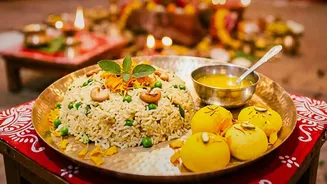
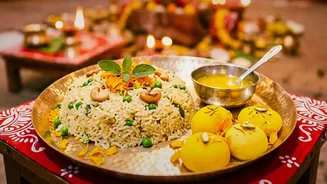
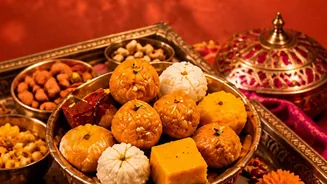
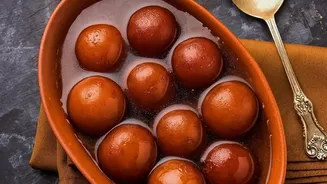
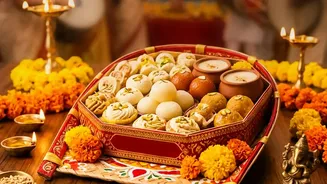
For sweet lovers, winter in Bengal is synonymous with Nolen Gur creations. Kolkata's legendary sweet shops transform their counters into a tribute to this seasonal ingredient. The classic Rosogolla, a spongy cheese ball in syrup, gets a sublime makeover, becoming Nolen Gurer Rosogolla, where the standard sugar syrup is replaced with the fragrant jaggery. Then there's the Sandesh, a delicate sweet made from fresh cottage cheese (chhena). When infused with Nolen Gur, it becomes a melt-in-your-mouth delicacy. Some versions, like the 'Jolbhora' Sandesh, even feature a liquid heart of Nolen Gur. Another winter staple is Payesh, a traditional rice pudding, which is elevated to new heights with the addition of this liquid gold, lending it a rich colour and deep flavour.
Crafting Your Culinary Trail
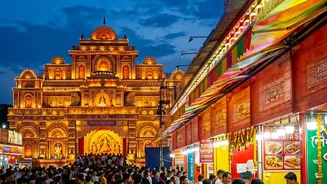
For any traveler with a sweet tooth, a winter trip to Kolkata offers a ready-made food trail. The city is dotted with iconic sweet shops, many of which have been perfecting their recipes for over a century. Establishments like Balaram Mullick & Radharaman Mullick, K.C. Das, and Nalin Chandra Das & Sons are revered institutions where you can sample these seasonal specialties at their freshest. Navigating these bustling shops is part of the experience, a delicious journey into the heart of Bengali culture. Food enthusiasts often plan 'mishti walks' specifically to hop from one legendary sweet maker to the next, tasting the subtle differences in their Nolen Gur creations. These desserts are not just food; they are a cultural phenomenon, deeply intertwined with festivals like Makar Sankranti and the simple joys of the winter season.
Modern Twists on a Classic Flavour
While the traditional sweets remain the stars of the show, the appeal of Nolen Gur has also inspired modern culinary innovation. In Kolkata's contemporary cafes and eateries, chefs are using this unique flavour in everything from ice cream and souffles to cheesecakes and even lattes. This versatility showcases the timeless appeal of the ingredient, bridging the gap between generations of food lovers. Whether enjoyed in a 100-year-old sweet shop or a trendy cafe, Nolen Gur provides a flavour experience that is both deeply traditional and excitingly new. It's a taste that captures the essence of a specific time and place, making it a powerful and delicious memory for any traveler.