



The Soilless Revolution in Your Home
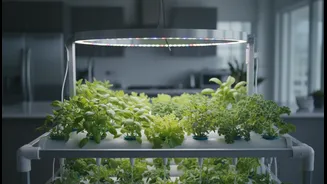
Imagine growing plants without a single speck of dirt. That’s the core concept behind indoor liquid growing systems, most commonly known as hydroponics. Instead of pulling nutrients from soil, plants get everything they need from a nutrient-rich water
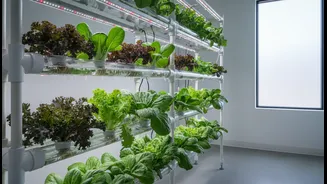
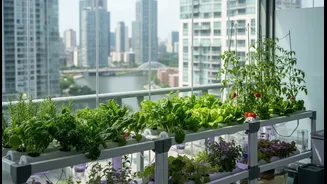
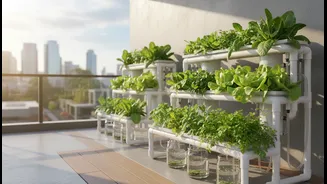
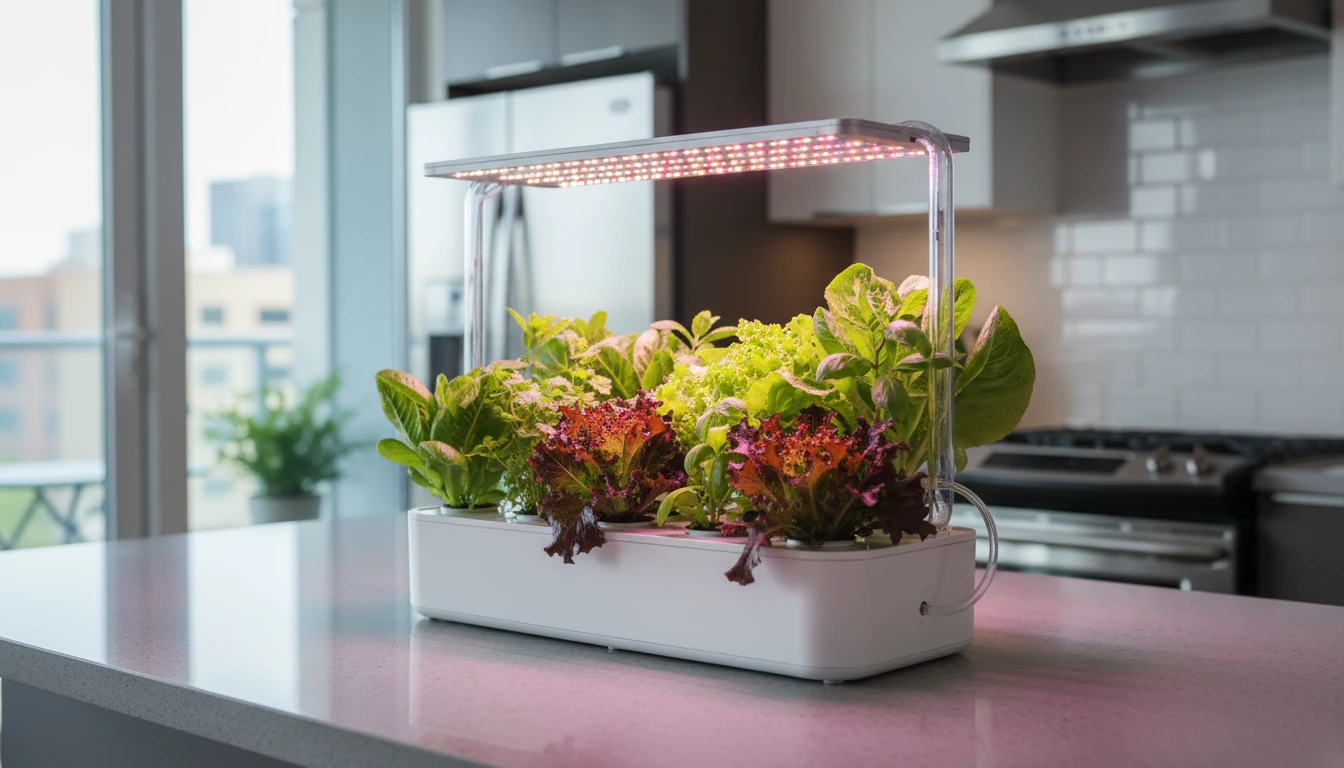
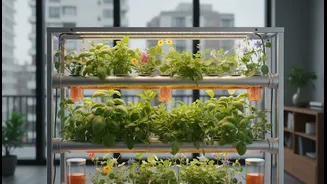
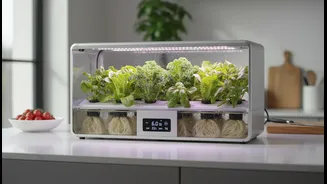
solution delivered directly to their roots. This method allows for a clean, contained, and highly efficient way to garden inside your apartment or on a small balcony. Systems can range from simple, non-circulating containers to more advanced automated setups with pumps and integrated grow lights. Because the environment is fully controlled, many common gardening frustrations like pests, weeds, and soil-borne diseases are virtually eliminated.
Beyond Lettuce and Basil
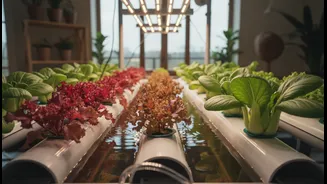
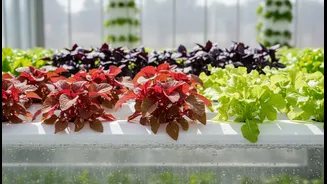
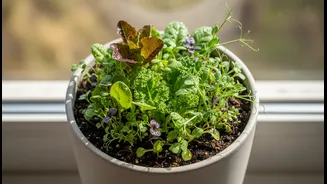
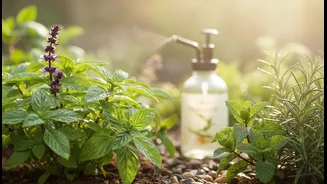
While starter herbs and lettuces are popular, today’s systems are capable of cultivating a much wider array of 'exotic' and high-value greens. Think of harvesting peppery arugula, nutrient-dense kale, vibrant Swiss chard, or even Asian greens like pak choi right from your kitchen. These systems excel at growing leafy greens that are often expensive or hard to find fresh in local markets. Many herbs also thrive, producing more aromatic oils than their soil-grown counterparts. This allows urbanites to experiment with unique flavours and add a gourmet touch to their home cooking, with produce that is as fresh as it gets.
Addressing 'Affordable' and 'Easy'
The claims of affordability and ease are more valid now than ever before. For beginners, simple passive systems can be set up for a minimal initial investment, sometimes under ₹2,000. More comprehensive, all-in-one automated kits typically range from around $100 to $300 (approximately ₹8,000 to ₹25,000). While the upfront cost is higher than a bag of soil, the long-term savings on groceries can be significant. In terms of ease, many modern kits are designed as 'plug-and-play' solutions. They are engineered to be beginner-friendly, and simple methods like the Kratky method require no pumps or electricity at all, making them incredibly low-maintenance. The learning curve is gentle, especially when starting with easy-to-grow plants like lettuce or herbs.
The Urban Gardener's Advantages
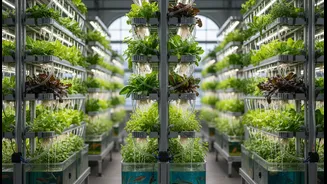
The benefits of indoor liquid farming extend far beyond convenience. A primary advantage is water conservation; hydroponic systems can use up to 90% less water than traditional soil gardening because the water is recirculated. In a compact urban environment, vertical systems allow for high yields in a very small footprint. Growing your own food also drastically shortens the supply chain, reducing the carbon footprint associated with transporting produce and ensuring maximum freshness and nutrient retention. Furthermore, you have complete control over the growing process, guaranteeing that your greens are free from pesticides and other harmful chemicals.
How to Get Started
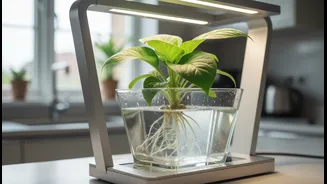
Ready to start your indoor farm? For a true beginner, a simple Deep Water Culture (DWC) or Kratky method setup is a great entry point. Look for a complete starter kit, which typically includes a reservoir, net pots for the plants, a growing medium like clay pellets or rockwool, and a starter pack of nutrients. Many kits also come with a built-in LED grow light, which is crucial for consistent growth if you don't have a very sunny spot. Start with a small system to grow a few plants. This allows you to learn the ropes of monitoring pH and nutrient levels before scaling up. The satisfaction of harvesting your first home-grown greens is a powerful motivator to continue.