





The Hidden Cost of Daily Takeaways
Ordering from restaurants daily seems like a perfect solution for a busy life, but it can create a significant health deficit over time. Restaurant kitchens, even the best ones, are engineered for taste and speed, not necessarily your long-term well-being.
To make dishes consistently delicious and addictive, many commercial kitchens rely on higher amounts of oil, salt, and sugar than you would ever use at home. Rich gravies are often loaded with cream and fats, and the re-use of cooking oil in some establishments can introduce harmful trans fats into your diet. Additives like MSG (monosodium glutamate) might be used to enhance flavour, leading to headaches or discomfort for some individuals. While an occasional restaurant meal is a wonderful treat, making it a daily habit means you are likely consuming a host of hidden calories and unhealthy ingredients without even realising it.
The 'Ghar Jaisa Khana' Advantage
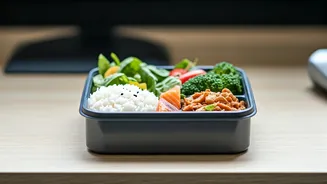
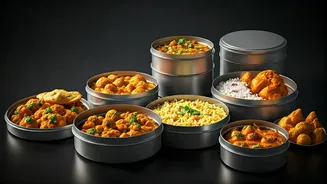
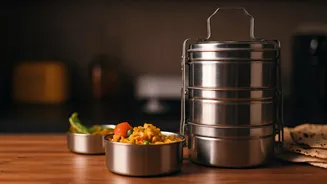
This is where home-style tiffin services find their purpose. The promise isn't about fancy cuisine; it's about delivering ‘ghar jaisa khana’ — food that tastes and feels like it was made at home. Most tiffin providers are small-scale operations, often run by home chefs who cook in smaller batches. This model naturally encourages healthier practices. The focus is on providing a balanced meal: a staple dal, a seasonal sabzi, fresh rotis, and rice. The use of oil and masalas is typically more restrained, mirroring how one would cook for their own family. Because the food is cooked fresh daily for a known number of subscribers, the use of preservatives is rare. This shift from rich, heavy restaurant fare to simple, nutritious meals can have a profound impact on your energy levels, digestion, and overall health.
Winning with Portion Control and Consistency
One of the most underrated benefits of a tiffin system is built-in portion control. When you order a la carte from a restaurant, it's easy to over-order and overeat. A tiffin, by contrast, arrives as a complete, pre-portioned meal. This simple structural change helps regulate your intake and prevents mindless consumption. Furthermore, the consistency of receiving a balanced meal every day helps build a healthy routine. It eliminates decision fatigue—the mental exhaustion that comes from deciding what to eat for lunch and dinner. Instead of scrolling through endless menus, you have a reliable, nutritious meal waiting for you. This consistency is key to achieving long-term health goals, whether it's weight management or simply feeling more energetic.
The Comfort of a Simple Meal
The appeal of a tiffin goes beyond nutrition; it touches on a deep-seated psychological need for comfort and routine. Eating simple, familiar food can be incredibly grounding, especially when you are living away from home. It evokes a sense of care and well-being that a commercially prepared burger or pizza simply cannot replicate. This feeling of being 'looked after' can reduce stress and provide a comforting anchor in a hectic day. The simplicity of dal-roti or rajma-chawal is not just about health; it's about connecting with a food culture that is nourishing for both the body and the soul. It’s a small but powerful act of self-care.
How to Choose the Right Tiffin Service
While the headline's promise of 'complete freedom' is a strong one, the quality of your tiffin service matters immensely. To make the best choice, start by asking for recommendations from friends or colleagues. Look for services that offer a trial period, allowing you to sample their food before committing. A good provider will be transparent about their menu for the week and willing to accommodate minor dietary preferences. Pay attention to reviews that mention freshness, hygiene, and timely delivery. Some services even share photos of their kitchen, which is a great sign of confidence in their practices. Choosing the right partner for your daily meals is crucial to unlocking all the benefits a home-style tiffin has to offer.