




A Glimpse of the Modern Farm
The CODISSIA Trade Fair Complex in Coimbatore transforms into a hub of agricultural innovation during Agri Intex, one of South India's largest agricultural exhibitions. The five-day event attracts hundreds of companies and thousands of farmers, entrepreneurs,
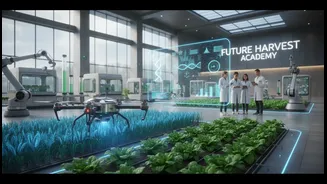
and technology enthusiasts. While trade fairs are common, Agri Intex stands out for its focus on practical, next-generation solutions. This year, the spotlight was clearly on automation and data-driven farming, with specialized zones for live machinery demonstrations, drones, and international technologies, including a pavilion for Korean agri-machinery.
Drones: Precision from Above
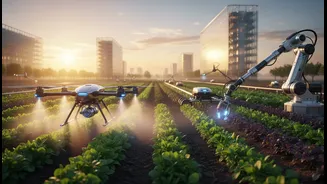
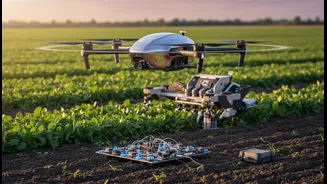
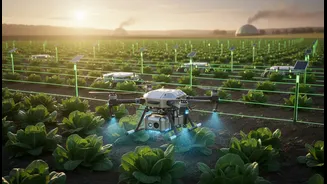
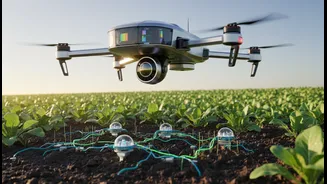
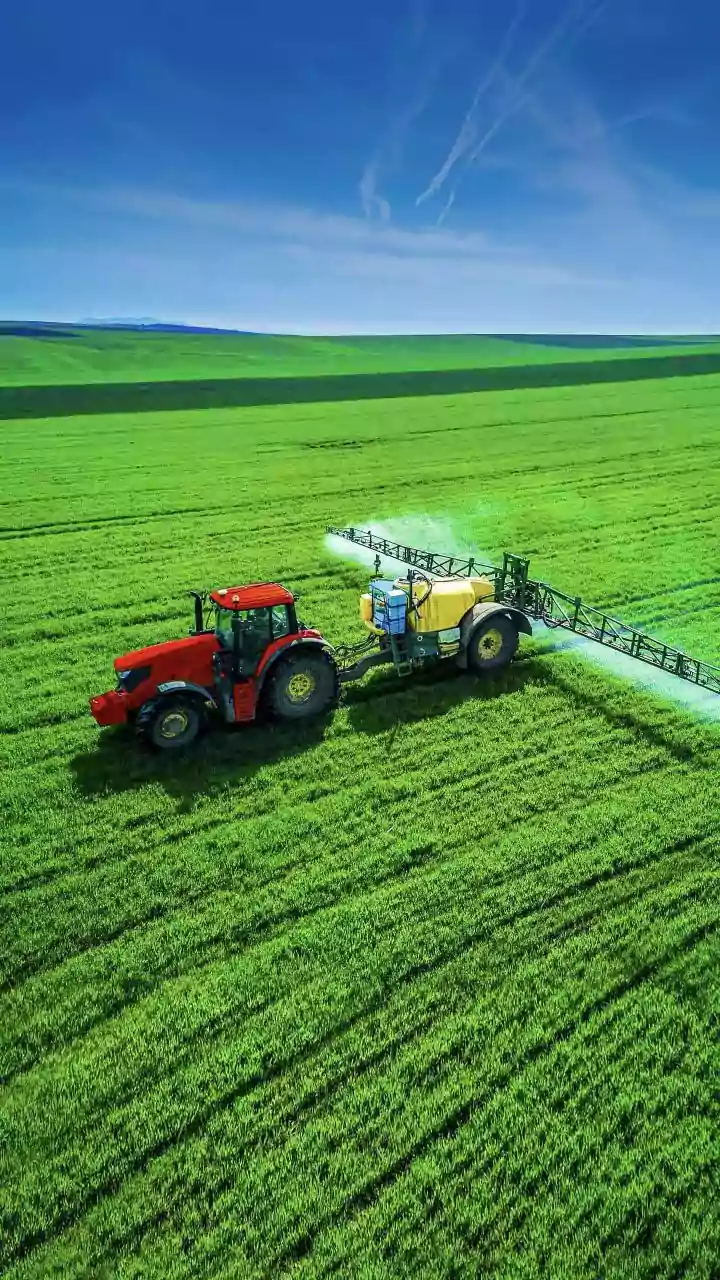
One of the biggest draws was the extensive display of agricultural drones. Companies like IoTechWorld and Marut Drones showcased models designed for everything from precision spraying of fertilizers and pesticides to crop surveillance. For instance, the Agribot MX drone was unveiled specifically for the needs of farmers in southern states, featuring radar-based systems to automatically avoid obstacles and terrain-following capabilities for consistent application. This technology isn't just about convenience; it addresses major issues. Drones offer a safer way to apply agrochemicals, reduce manual labor, and ensure that expensive inputs are used efficiently, covering large areas in a fraction of the time with leaf-to-leaf precision. This leads to lower costs and higher profitability for farmers and agri-entrepreneurs.
Sensors: Giving Farms a Voice
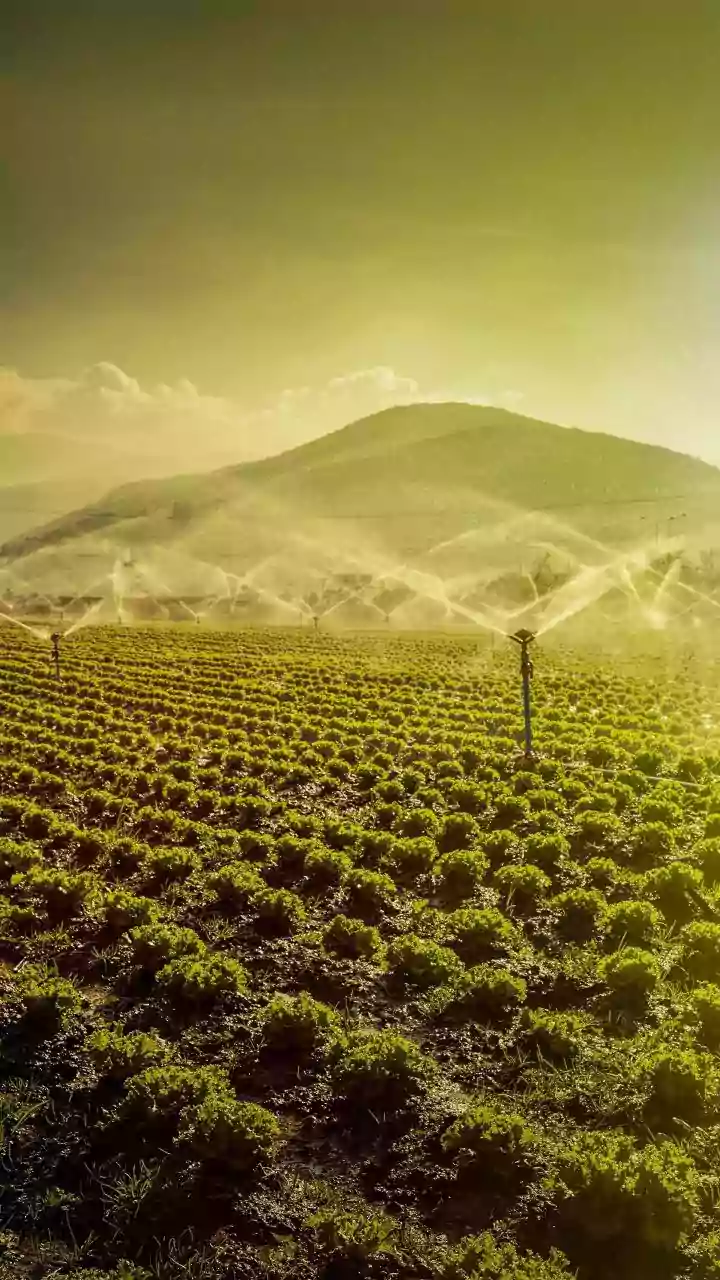
If drones are the new eyes in the sky, sensors are the farm's nervous system. The exhibition highlighted a range of IoT sensors that monitor critical data points in real-time. These devices measure soil moisture, temperature, humidity, and nutrient levels, providing farmers with the precise information needed for smart decision-making. This data-driven approach, often called precision farming, allows for optimized irrigation schedules and targeted fertilizer application. Instead of watering an entire field on a fixed schedule, farmers can deliver water exactly where and when it's needed, a crucial advantage in a water-scarce country. Companies showcased systems that integrate these sensors with mobile apps, putting control directly into the farmer's hands.
Processing: Bringing More Value to the Farm Gate
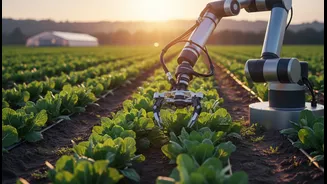
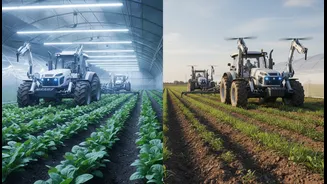
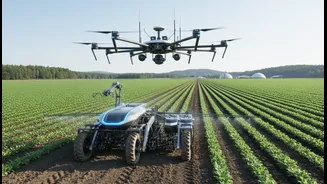
A significant portion of a crop's value can be lost after it leaves the field. Agri Intex addressed this with a strong focus on post-harvest and food processing equipment. The fair featured innovations in everything from small-scale, portable processing units to advanced cold storage solutions. The idea is to empower farmers to perform value-addition activities—like grading, sorting, and packaging—at or near the farm. This reduces spoilage, increases shelf life, and allows farmers to capture a larger share of the final price. Multi-purpose machines, like one that can handle load-carrying, spraying, and stubble removal, also demonstrated a trend toward versatile, cost-effective equipment for small and medium-sized farms.
The Path to Widespread Adoption
While the technology is impressive, experts at the event acknowledged the challenges to widespread adoption, including equipment costs and the need for farmer training. However, the mood is optimistic. The increasing focus on mechanization is seen as a direct solution to labor shortages. As companies expand their service networks and more farmer-entrepreneurs offer 'drones-as-a-service', access to this technology is becoming easier. Events like Agri Intex play a crucial role by bridging the gap between innovators and the farming community, allowing for direct feedback and fostering collaborations that will shape a more efficient, sustainable, and profitable future for Indian agriculture.