





Understanding the Forecast
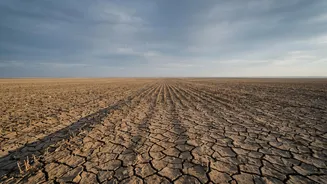
The IMD has predicted that rainfall for September 2026 is likely to be below normal, which is defined as less than 91% of the Long Period Average. This forecast is influenced by strong El Niño conditions over the Pacific Ocean, which can weaken monsoon
rainfall over India. While some regions in the northwest, northeast, and east might still see normal rainfall, many parts of the country should prepare for drier conditions. This follows an August that was reportedly the hottest and one of the driest since 1901. A below-normal monsoon can impact everything from agriculture to drinking water availability, making household conservation efforts more important than ever.
Simple Changes in the Kitchen
The kitchen is a great place to start saving water with a few easy habit changes. Instead of washing fruits and vegetables under a running tap, use a bowl of water. This collected water can then be reused for watering houseplants. When washing dishes by hand, avoid letting the tap run continuously; fill one sink or basin with soapy water for washing and another with clean water for rinsing. Also, make a habit of only running your dishwasher or washing machine when they are completely full, which can save a significant amount of water each month. Another simple yet effective tip is to reuse the wastewater from your RO water purifier for tasks like mopping floors or cleaning.
Smarter Water Use in the Bathroom
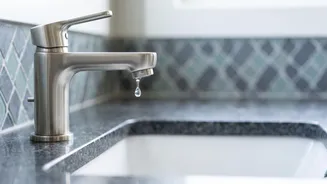
Bathrooms account for a large portion of a home's water consumption. One of the most effective ways to cut back is to choose showers over baths and to keep those showers short. A bucket bath is an even more traditional and water-efficient method, typically using only 15-20 litres. Turning off the tap while brushing your teeth or shaving is a simple habit that can save several litres of water every single day. It's also critical to check for and repair any leaks. A dripping tap can waste up to 15 litres a day, while a leaky toilet can waste hundreds. You can check for a toilet leak by adding a few drops of food colouring to the tank; if the colour appears in the bowl without flushing, you have a leak that needs fixing.
Make Every Drop Count Outdoors
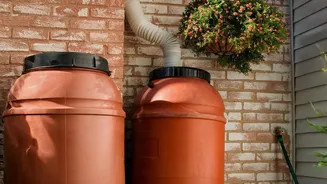
If you have a garden, balcony plants, or an outdoor area to clean, you can make a big impact. Water your plants early in the morning or late in the evening to minimise evaporation. Instead of using a hose to clean driveways and sidewalks, use a broom. For gardens, consider installing a simple rainwater harvesting system to collect runoff from your rooftop. This water is perfect for gardening and other non-potable uses. Spreading a layer of mulch around your plants also helps the soil retain moisture, reducing the need for frequent watering.
The Power of a Leak-Free Home
Beyond the obvious dripping faucet, slow leaks in pipes under sinks or in toilet cisterns are common culprits of water wastage. Make it a monthly routine to inspect all plumbing fixtures. Listen for the sound of running toilets and check your water meter. To check the meter, turn off all water-using appliances and taps in your home, then look at the meter. If it's still moving, you likely have a leak somewhere. Fixing leaks promptly is one of the single most effective actions you can take, potentially saving thousands of litres of water and reducing your utility bills.