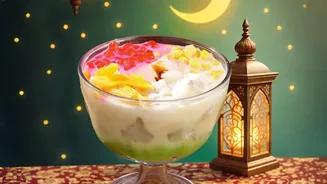



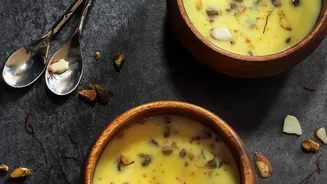
Creamy and Comforting Makhana Kheer
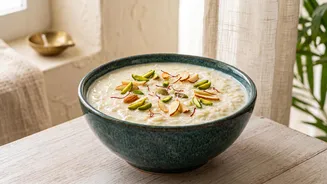
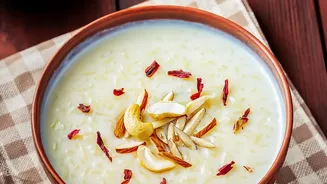
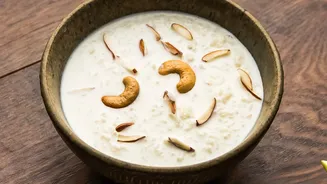
Makhana Kheer, or fox nut pudding, is a beloved classic for festive occasions and fasting days. This dessert is both wholesome and delicious. The process involves roasting light, airy makhana (fox nuts) in ghee until they are crisp, then simmering them
in full-fat milk until it thickens into a creamy consistency. Some of the roasted makhana are coarsely crushed to add texture, while others are left whole. Scented with green cardamom powder and saffron, and sweetened to perfection, this kheer is a comforting bowl of goodness. Garnished with slivered almonds and pistachios, it’s a divine offering that pays homage to the purity associated with Janmashtami.
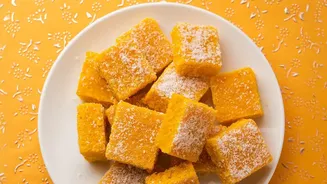
Classic Kalakand Milk Cake
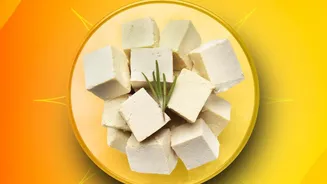
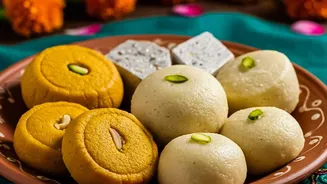
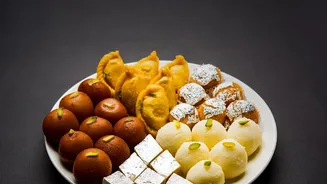
Kalakand is a rich, grainy, and moist milk cake that melts in your mouth. It is a quintessential Indian sweet where milk is the undisputed hero. Traditionally, it's made by curdling milk to get fresh chenna (paneer) and then cooking it with reduced milk and sugar until the mixture thickens. The result is a soft, crumbly fudge that is subtly sweet. For a quicker method, many home cooks use store-bought paneer and condensed milk, which can be prepared in under 30 minutes. Flavoured with cardamom and decorated with chopped nuts, Kalakand's white, pure appearance makes it a fitting and auspicious offering for the festival.
Velvety Smooth Shrikhand
Hailing from the western states of Gujarat and Maharashtra, Shrikhand is a luscious dessert made from hung curd (strained yogurt). Its preparation celebrates dairy in one of its most cherished forms: yogurt. The process starts with straining whey from plain yogurt to get a thick, creamy base, often called 'chakka'. This thick curd is then whisked with powdered sugar, saffron-infused milk, and cardamom powder until it becomes silky smooth. Often studded with pistachios and almonds, Shrikhand is a no-cook dessert that is both refreshing and indulgent. Its sweet and tangy flavour profile makes it a festive favourite that connects directly to Krishna's love for all milk products.
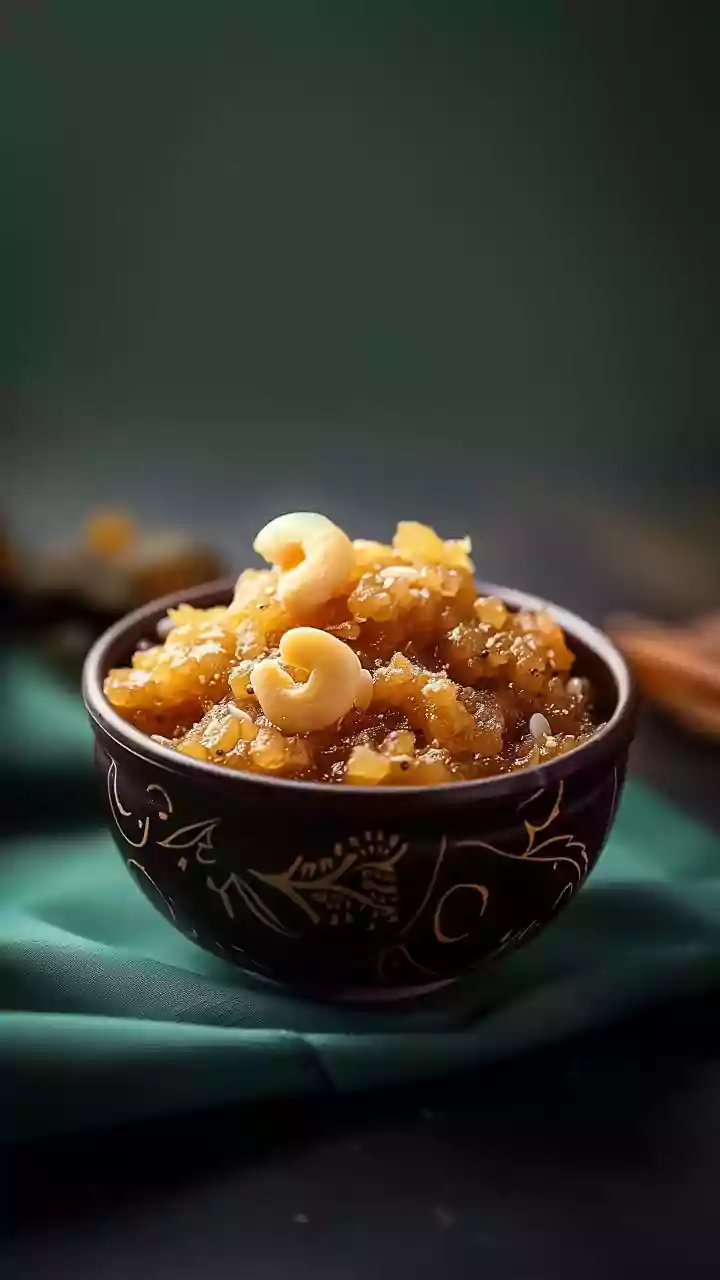
Iconic Mathura ke Pede
No list of Janmashtami sweets is complete without Mathura ke Pede, a specialty from Lord Krishna's birthplace. This iconic sweet is traditionally made from mawa (milk solids), which is slow-roasted in ghee until it turns a beautiful brown colour and develops a rich, caramelised flavour. This roasted mawa is then cooled slightly, mixed with powdered sugar, and flavoured with cardamom and sometimes a hint of nutmeg. The mixture is shaped into small, flattened balls and often rolled in coarse sugar. Making these pedas at home brings the authentic taste of Mathura's temples right into your kitchen, creating a truly special offering.
Symbolic Gopalkala (Dahi Poha)
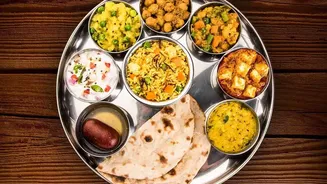
While more of a savory-sweet prasad than a dessert, Gopalkala is deeply symbolic of Janmashtami. The name itself means 'Krishna's mixture'. Legend says that Krishna would mix the lunch boxes of all his cowherd friends, creating one dish for everyone to share. This no-cook recipe reflects that story, combining flattened rice (poha), yogurt (dahi), chopped cucumber, coconut, and a simple tempering of ghee, cumin seeds, and green chillies. It represents community and Krishna's playful nature. Because it features curd so prominently and tells a story of Krishna's life, it's a meaningful and traditional dish prepared in many households, especially in Maharashtra.