







The Humidity Effect on Your Skin
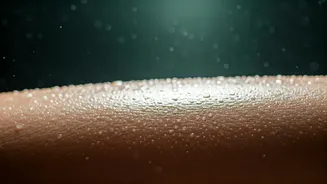
The primary change during the monsoon is a dramatic spike in humidity. This moisture-rich air can be a double-edged sword. On one hand, it can give a dewy look, but on the other, it creates an ideal environment for bacteria and fungi to thrive. The high
humidity often leads to increased sebum (oil) production, making your face feel greasy and sticky. This excess oil, combined with sweat and environmental pollutants, can easily get trapped on the skin's surface, leading to clogged pores, blackheads, and the dreaded monsoon acne. People with oily and combination skin types often notice more frequent breakouts during this season.
Cleansing: Gentle Does It
While the temptation to wash your face multiple times a day to combat the oiliness is strong, dermatologists advise against it. Over-washing can strip the skin of its natural oils, which disrupts its protective barrier and can paradoxically trigger even more oil production. The key is to cleanse thoroughly but gently, twice a day. Opt for a mild, pH-balanced, or sulphate-free cleanser. For those with particularly oily or acne-prone skin, a face wash containing salicylic acid can be beneficial as it penetrates pores to dissolve excess sebum.
Moisturising in the Monsoon
Skipping moisturiser in a humid climate is a common mistake. Even though the air is moist, your skin can still become dehydrated, which prompts it to produce more oil to compensate. The secret is to switch textures. That heavy, creamy moisturiser that saved your skin in the dry winter will likely feel suffocating now. Instead, opt for lightweight, non-comedogenic (won't clog pores), water or gel-based formulas. Ingredients like hyaluronic acid, which draws moisture from the air into your skin, and niacinamide, which helps regulate oil production, are your best friends during this season.
Don't Skip the Sunscreen
Cloudy skies can be deceptive, but up to 80% of the sun's UV rays can penetrate through them. Sunscreen remains a non-negotiable step in your monsoon skincare routine to protect against tanning, pigmentation, and long-term sun damage. The greasy feeling of traditional sunscreens can be a deterrent, so look for lightweight, gel-based, or matte-finish formulas with an SPF of 30 or higher. Water-resistant formulations are a plus, as they are less likely to slide off with sweat or rain.
Exfoliate, but Don't Overdo It
With the increased buildup of dead skin cells, sweat, and oil, exfoliation is crucial to keep pores clear and skin looking bright. However, the skin can be more sensitive during the monsoon, so aggressive scrubbing is not the answer. Gentle is the mantra. Exfoliating once or twice a week is generally sufficient. Chemical exfoliants with mild concentrations of AHAs (alpha-hydroxy acids) or BHAs (beta-hydroxy acids) are often recommended over harsh physical scrubs, as they effectively remove dead skin without causing irritation.
Tackling Monsoon-Specific Issues
The damp, humid conditions are a perfect breeding ground for fungal infections, such as ringworm and athlete's foot. To prevent these, it's vital to keep your skin dry. Change out of wet clothes immediately, wear breathable cotton fabrics, and use an anti-fungal powder in skin folds if you are prone to infections. Lightweight, water-based makeup is preferable to heavy foundations that can trap sweat and oil. Simple habits like changing your pillowcase regularly and avoiding touching your face can also make a significant difference in preventing breakouts.