



The Manali Paradox
Let’s be clear: Manali is, and always will be, a Himalayan icon. Its dramatic landscapes, the Beas River rushing through the valley, and the gateway it provides to adventures in Rohtang and beyond are legendary. For decades, it was the definitive mountain
retreat. However, its immense popularity has come at a cost. Today, the once-sleepy town often groans under the weight of its own success. Traffic jams on the main Mall Road, streams of tourists vying for the same photo-op, and a wave of commercialisation have replaced the quiet contemplation many travellers seek. While it remains a fantastic destination for those who love a vibrant, bustling atmosphere, it may no longer be the sanctuary for peace it once was.
Enter Jibhi: A Glimpse of the Past
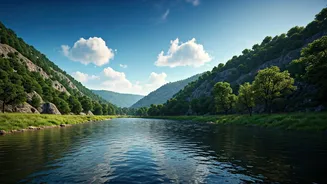
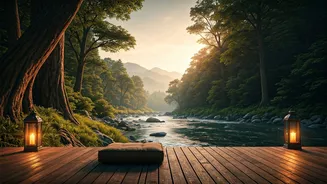
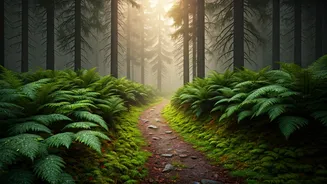
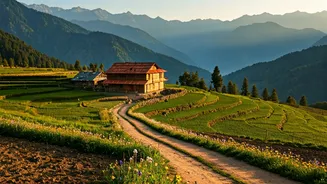
Tucked away in the serene Banjar Valley, a few hours from the chaos of the Mandi-Manali highway, lies Jibhi. This isn't a town with a bustling market street or a chain of brand-name hotels. Instead, it’s a cluster of hamlets scattered along the banks of the Tirthan River, surrounded by dense cedar and pine forests. Jibhi feels like a step back in time, embodying the tranquil, untouched vibe that first drew travellers to Himachal Pradesh. The air is cleaner, the silence is broken only by birdsong and the sound of the river, and the pace of life slows to a meditative rhythm. It’s part of the eco-zone of the Great Himalayan National Park, a UNESCO World Heritage Site, which has helped preserve its pristine beauty.
The Magic of Mountain Camping in Jibhi
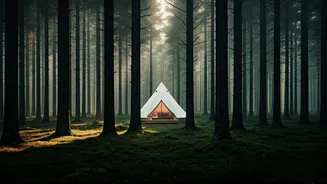
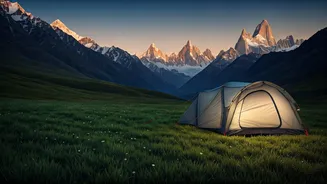
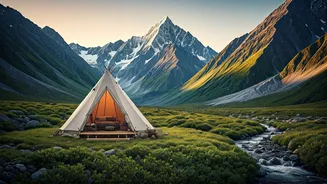
The true essence of Jibhi is best experienced not in a concrete hotel, but under a canopy of stars. The valley is dotted with small, eco-conscious campsites that offer an immersive natural experience. Forget basic tents pitched on uneven ground; the options here cater to modern comforts while retaining rustic charm. You can find riverside camps where you can fall asleep to the gurgling water, forest camps nestled deep within the woods, and even 'glamping' sites with comfortable beds and attached washrooms. Mornings start with a cup of hot chai overlooking a misty valley, and evenings are spent around a bonfire, sharing stories with fellow travellers. These campsites are the heart of the Jibhi experience, providing a direct connection to the nature you came to see.
Beyond the Tent: Exploring the Valley
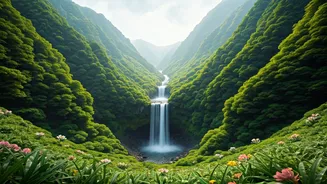
While the main attraction is doing nothing at all, Jibhi is a fantastic base for gentle exploration. A short, rewarding hike through the forest will take you to the stunning Serolsar Lake, a sacred body of water surrounded by thick oak trees. A drive up to Jalori Pass (at 10,800 feet) offers breathtaking panoramic views of the Pir Panjal and Dhauladhar ranges. History enthusiasts can visit the ancient, towering Chehni Kothi, a remarkable example of traditional Kath-Kuni architecture. Or, you can simply take a leisurely stroll to the Jibhi waterfall, a beautiful cascade hidden just off the main road. The activities here are about soaking in the environment, not ticking off a checklist.
Is Jibhi Right For You?
It’s important to set the right expectations. If you’re looking for vibrant nightlife, extensive shopping, or a wide variety of multi-cuisine restaurants, Jibhi is not your place. The food is typically simple, local, and delicious. Connectivity can be patchy, which is a blessing for those wanting a digital detox but a challenge for remote workers. Jibhi is for the traveller who finds joy in simplicity: reading a book by the river, taking long, aimless walks, and finding peace in the quiet grandeur of the Himalayas. It’s for those who want to trade the noise of the crowds for the music of nature.