





The Core Principle: Gradual Progression
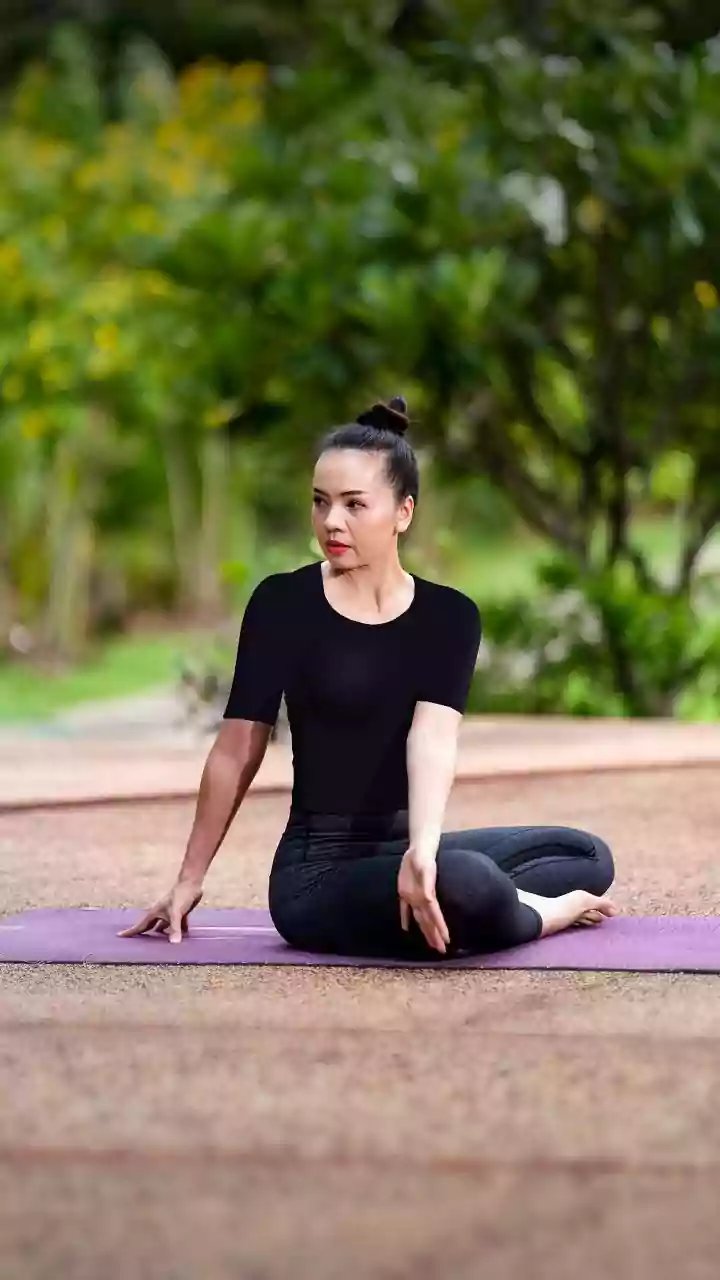
Achieving a strong lower body like Sonam's, who is known for her dedication to weight training, is about sustainability, not just intensity. The concept of gradual progression, or progressive overload, is simple: you start with what your body can handle
and slowly increase the challenge over time. This could mean adding more weight, increasing repetitions, or reducing rest time. An expert orthopaedic doctor noted that the benefits of exercises like squats and lunges depend on this very principle to avoid injury. This method ensures you continuously get stronger without hitting a plateau or getting hurt. Fitness is a journey, and this approach allows your body to adapt and grow stronger safely.
Foundation Move: The Squat
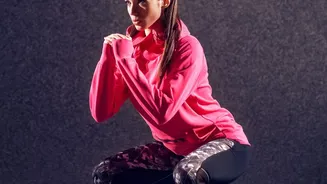
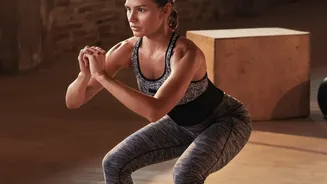
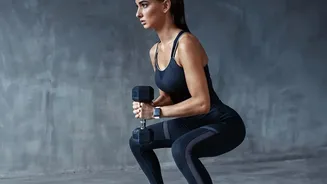
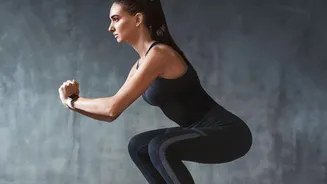
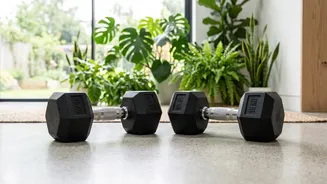
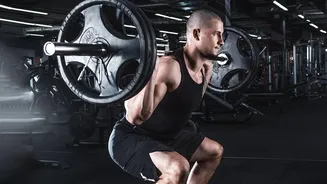
Squats are a cornerstone of any leg workout, targeting your quads, hamstrings, and glutes all at once. They are a functional movement that helps with everyday activities like getting up from a chair. To apply gradual progression, you can modify the squat for your level. Beginner: Master the bodyweight squat first. Stand with feet shoulder-width apart and lower your hips as if sitting in a chair, keeping your chest up and back straight. Use a real chair for support if needed. Intermediate: Once comfortable, add weight with a goblet squat. Hold a dumbbell or kettlebell close to your chest as you perform the movement. This adds resistance and also helps engage your core for stability. Advanced: Progress to the barbell back squat. With a barbell resting on your upper back, you can significantly increase the load, which is key for building serious strength and muscle.
Building Stability: The Lunge
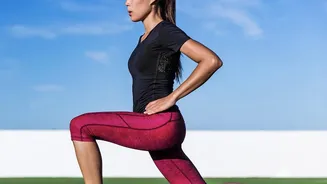
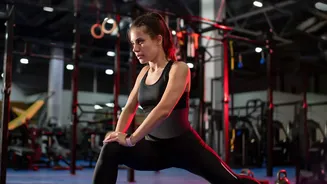
Sonam Bajwa's routine has been seen to include lunges, a fantastic exercise for targeting each leg individually, which helps correct muscle imbalances and improve stability. Like squats, they can be adapted for any fitness level. Beginner: Start with static lunges. Stand with your feet together, then step one foot forward and lower both knees to a 90-degree angle. Hold onto a wall or chair for balance if necessary. Focus on maintaining proper form before progressing. Intermediate: Move on to walking lunges. This dynamic version adds a cardiovascular element and challenges your coordination as you continuously step forward into a lunge with alternating legs. Advanced: Incorporate weights by holding dumbbells in each hand. For an even greater challenge, try Bulgarian split squats by placing your back foot on a bench, which increases the range of motion and demand on your front leg.
Posterior Power: The Deadlift
While often intimidating, the deadlift and its variations are unparalleled for building strength in your entire posterior chain—your glutes, hamstrings, and lower back. Sonam has spoken about overcoming prejudices against women lifting weights, and this is one exercise that proves strength training is for everyone. Beginner: Start with a Romanian Deadlift (RDL) using a light kettlebell or dumbbells. Stand with a slight bend in your knees, feet hip-width apart. Hinge at your hips, keeping your back straight, and lower the weight toward the floor until you feel a stretch in your hamstrings. Squeeze your glutes to return to the start. Intermediate: Progress to a barbell RDL, which allows you to handle more weight and provides a different stability challenge. Advanced: The conventional deadlift, lifting the barbell from the floor, is a full-body power movement. It requires excellent form, so consider working with a trainer to master it safely.
Finishing Strong: Accessory Lifts
To build well-rounded legs, it's important to include isolation exercises that target smaller muscle groups. These are perfect for finishing your workout. Glute Bridges/Hip Thrusts: For beginners, the glute bridge is an excellent starting point to activate the glutes. Lie on your back with knees bent and lift your hips toward the ceiling. For intermediate to advanced levels, the hip thrust allows for a greater range of motion and the addition of significant weight, making it a powerful glute-builder. Calf Raises: Don't forget your calves. Stand on a flat surface or the edge of a step and raise your heels up, pausing at the top before lowering back down. You can start with your bodyweight and then hold dumbbells to increase the difficulty.