



The Lifeline: Festival Special Trains
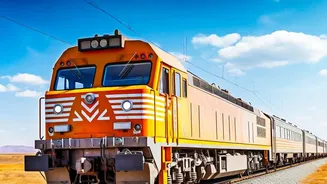
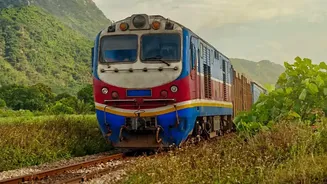
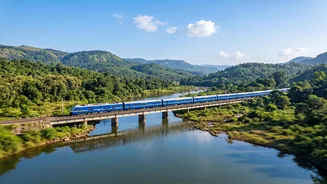
When regular trains are booked out months in advance, Indian Railways steps in with 'Special Trains' to manage the immense festival rush for events like Diwali, Chhath Puja, and Holi. These are temporary services deployed on high-demand routes, such as
Delhi-Patna, Mumbai-Gorakhpur, and Bengaluru-Kolkata. These trains are identifiable by their five-digit number, which typically starts with a '0'. Unlike regular trains that can be booked 120 days ahead, these are often announced just a few weeks or even days before departure, creating a short, competitive booking window. The goal of these services is to clear the waitlist burden on scheduled trains and provide much-needed extra capacity.
How to Track Special Train Announcements
Being among the first to know is crucial for booking these trains. Seats fill up within hours, so a proactive approach is necessary. Your primary sources should be the official Indian Railways portals: the main website (indianrail.gov.in) for press releases and the IRCTC website (irctc.co.in) and mobile app, where these trains appear in search results once live. The National Train Enquiry System (NTES) app and portal are also excellent resources for real-time updates on schedules and availability. Additionally, follow the official social media accounts (especially on X, formerly Twitter) of the Ministry of Railways (@RailMinIndia) and the various zonal railways, which often post announcements promptly.
Understanding Different Types of Specials
Not all special trains are the same. Most operate with 'special charges', which means the fare is about 10% to 30% higher than a regular Mail/Express train for the same route. A specific category to watch for is 'Suvidha' trains, usually numbered with an '8' (e.g., 82xxx). These services use a dynamic pricing model, similar to airlines. The fare starts at the Tatkal rate and increases as seats are booked. Suvidha trains only offer confirmed or RAC (Reservation Against Cancellation) tickets, with no waitlisting, providing certainty for a higher price.
The Strategy for Booking
Once a special train is announced, speed is your best friend. Bookings for these trains typically open at 8:00 AM on the specified date. To save precious seconds during checkout, use the 'Master List' feature on your IRCTC account to save passenger details beforehand. Ensure your preferred payment method, like UPI or the IRCTC wallet, is ready for a quick transaction. Be flexible with your travel dates; special trains may not run daily, so searching for a day before or after your ideal date might yield a confirmed seat. If you find yourself on a waitlist for a special train, remember that a GNWL (General Waitlist) ticket booked from the train's originating station has the highest chance of confirmation.
Beyond Special Trains: Other Valuable Options
If special trains are also full, don't lose hope. Indian Railways often adds 'extra coaches' to existing high-demand trains to clear waitlists. Announcements for these are also made through official channels and can turn a waitlisted ticket into a confirmed one just a day or two before the journey. Another strategy is to look for a 'break journey'. Instead of searching for a direct train, look for tickets to a major intermediate station. From there, you might find another train or a bus to your final destination. Finally, there's the Tatkal quota, which opens one day before the journey at 10 AM for AC classes and 11 AM for non-AC classes. It's a high-cost, high-competition option but remains a viable last resort for many travellers.