




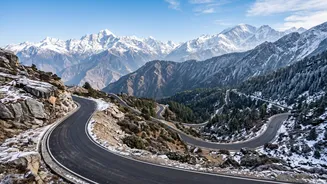

The great Indian annual vacation is getting a makeover. Instead of one long break, professionals are now embracing 'micro-vacations'—short, frequent trips that maximise long weekends and minimise leave usage, making travel a regular habit.
The Rise of the Micro-Vacation
The traditional
concept of saving up all your annual leave for one big trip is fading. A new travel philosophy has taken root among Indian professionals: the micro-vacation. Typically lasting two to four days, these short getaways are strategically planned around public holidays and weekends, requiring only one or two days of annual leave. This approach turns travel from a rare, once-a-year event into a sustainable and regular part of life. Reports show a significant increase in shorter trips, with some data suggesting that quick getaways under two days now make up a large portion of all road travel. This shift isn't just about saving leave; it's a fundamental change in how people view rest and exploration, prioritising frequent, refreshing breaks over a single, extended holiday.
Why More Is Merrier
Several factors are driving this trend. Widespread professional burnout is a primary motivator, with many finding that shorter, more frequent breaks are more effective at managing stress than one long holiday. Studies have shown that the mental health benefits of a vacation, like reduced stress and improved mood, tend to fade quickly after returning to work. By taking multiple breaks, travellers can experience these positive effects more consistently throughout the year. According to a Hilton trends report, an overwhelming 86% of Indian travellers feel that travel helps them recharge mentally and physically in ways they can't at home. The rise of flexible and hybrid work models has also made it easier for people to take short trips without disrupting their professional lives.
The Art of Stacking Your Leave
The secret to successful micro-vacations lies in smart planning. The strategy, often called 'trip stacking' or 'leave stacking', involves scanning the calendar for public holidays that fall near a weekend. By taking just a single day of leave on the preceding Friday or the following Monday, a standard weekend is instantly transformed into a three or four-day mini-holiday. In India, with its diverse array of national and regional holidays, opportunities for such trips are plentiful. This approach allows travellers to stretch their limited annual leave—which for many is around 15-20 days—to accommodate three, four, or even more trips per year. It’s a game of optimisation, turning every long weekend into a potential adventure without draining your leave balance for the year.
Destinations Perfect for a Quick Escape
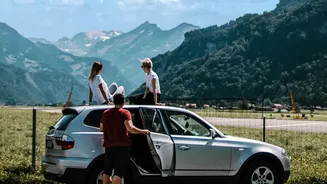
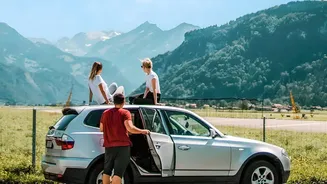
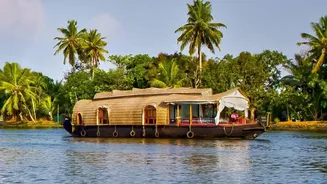
The beauty of a micro_vacation is its accessibility. These trips often focus on destinations that are a short flight or a comfortable drive away, minimising travel time and maximising relaxation. For those in Delhi, places like Rishikesh, Jaipur, and Kasauli are popular choices. Mumbaikars and Pune residents often head to Alibaug, Lonavala, or Mahabaleshwar. From Bengaluru, the hills of Coorg and Chikmagalur offer a quick retreat. Even international destinations are not off limits. With direct flights, cities like Dubai, Singapore, Bangkok, and Hanoi are becoming popular choices for a four day getaway. The focus is on quality over quantity—immersive experiences in a compact timeframe, whether it's a wellness retreat, a cultural deep dive, or simply unwinding at a boutique hotel.
A Budget Friendly Way to See More
Beyond saving leave days, micro vacations are also easier on the wallet. A short, domestic trip is significantly more affordable than a ten day international holiday, allowing people to explore more places without a massive financial commitment for each trip. This financial accessibility makes frequent travel a reality for young professionals and families alike. The trend has also spurred a boom in alternative accommodations, with 85% of travellers now considering homestays, villas, and boutique properties that offer a more authentic local experience. By spreading travel costs across several smaller trips, the financial burden is reduced, and the joy of anticipation is multiplied, proving that you don’t need a long break to make lasting memories.