










Which Regions Are on High Alert?
The India Meteorological Department (IMD) has issued a series of alerts for several states grappling with intense monsoon rains. The hilly states of Uttarakhand and Himachal Pradesh are particularly vulnerable and have received warnings for heavy to very
heavy rainfall, which is expected to continue until mid-July. This prolonged wet spell significantly increases the risk of landslides, flash floods, and overflowing rivers. In the plains, states including Punjab, Haryana, and Uttar Pradesh are also under alert. The IMD has issued red and orange alerts for multiple districts in Uttar Pradesh, forecasting heavy to extremely heavy rainfall. Cities like Delhi and Chandigarh are also expected to witness heavy showers, leading to potential waterlogging and traffic chaos.
Severe Impact on Travel and Daily Life
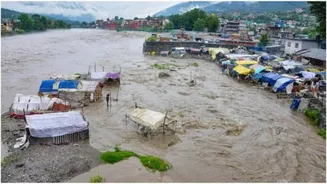
The torrential downpour has already caused significant disruption. In Himachal Pradesh and Uttarakhand, landslides have been reported, leading to the blockage of crucial highways. On Saturday, it was reported that heavy rainfall in Uttarakhand triggered landslides that blocked 120 roads, including three national highways. In Himachal, a bridge collapse in Sangla and a landslide in Shimla have been reported, disrupting local connectivity. In one instance, around 100 pilgrims had to be escorted to safety across a washed-out portion of the Yamunotri National Highway after being stranded for two days. Urban centres across the region are not spared. Delhi-NCR has witnessed severe waterlogging, leading to massive traffic jams and forcing authorities to issue travel advisories. Commuters have faced long delays, and in some areas like Gurugram, companies were advised to allow employees to work from home to avoid the gridlock.
Understanding the Weather Warnings
The IMD uses a color-coded system to issue warnings, and understanding them is key to staying safe. A 'Red Alert' signifies a need to take immediate action to protect yourself, as extremely heavy rainfall is expected, which can disrupt transport and power services. An 'Orange Alert' means you should be prepared for adverse weather that could worsen, potentially disrupting travel plans and daily activities. A 'Yellow Alert' indicates that you should be aware of the weather situation, as it could change and affect you. Currently, different parts of North India are under these varied levels of alerts, with the most severe warnings concentrated in Uttarakhand, Himachal Pradesh, and parts of Uttar Pradesh. It's crucial to pay attention to these warnings as they are updated based on the evolving weather systems.
Essential Safety Precautions for Residents and Travellers
Given the severe weather predictions, exercising caution is paramount. If you are in the affected regions, it is advisable to postpone non-essential travel, especially to hilly areas prone to landslides. Before heading out, always check the latest traffic advisories from local police and weather updates from the IMD. Avoid driving through waterlogged streets, as they can conceal potholes or open manholes and cause your vehicle to break down. At home, ensure your emergency kit is ready with essentials like a flashlight, first-aid supplies, and dry food. Stay away from overflowing rivers and streams. For those living in vulnerable structures, be prepared to move to a safer location if instructed by local authorities. Finally, do not spread or believe in rumors; rely only on official sources for information.
How to Stay Updated
In a rapidly changing weather situation, access to timely and accurate information is vital for safety. The most reliable source for weather forecasts and warnings is the India Meteorological Department (IMD) website (mausam.imd.gov.in) and its official social media handles. For real-time updates on traffic conditions and road closures, follow the social media accounts of local and state traffic police departments. Many national and regional news outlets also provide continuous coverage and live updates on the monsoon situation across the country. Keeping these resources handy on your phone can help you make informed decisions and navigate the challenges posed by the heavy rains safely.